S6 Ep20 Communities of Practice with Sharon Ravitch (Recast)
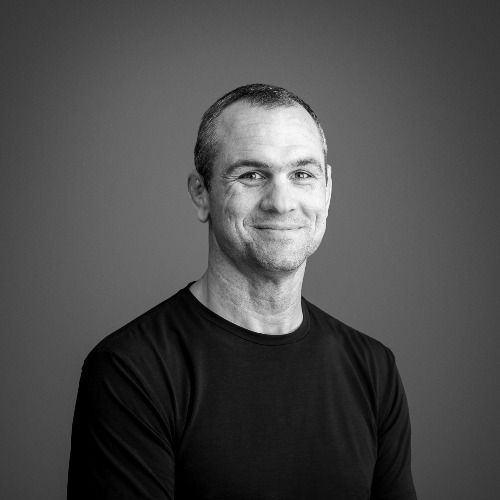
Dr. Sharon M. Ravitch is a Professor of Practice at the University of Pennsylvania's Graduate School of Education - and the person who chaired Preston's dissertation committee. In this conversation, originally released in January 2023, Sharon joins Preston to talk about communities of practice: historically, a craftsman's model (carpenters, ironworkers, silversmiths), and MCTI's model that describes instructor cadres — groups who build shared language and expertise around a particular kind of problem.
Sharon reframes it as hybridized expertise because everyone in the room is already an expert of their own experience. New knowledge gets created when practitioners come together to examine what they do every day — not when it's handed down from the academy.
From there the conversation moves through the significance of connection, reflection as a muscle that atrophies without white space in the curriculum (Viktor Frankl's "space between stimulus and response" comes up), and trading risk rather than mitigating it.
We're posting this Recast now because it's part of the iterative process behind Preston's recent white paper, The Fourth Generation of Military Special Operations Selection & Assessment. Communities of practice is exactly the concept the paper builds on and then pushes past: where a community of practice is organized around a shared subject (psychologists as one community, instructor cadre as another), a community of praxis is what happens when distinct communities, i.e., academics, cadre, and leadership, stop working in parallel and work together toward a common outcome. You can hear Preston and Art Finch talk through that model directly in S6 Ep5.
If you find value in this discussion, the best way to support our work and stay up to date on future episodes is to subscribe and leave us a quick rating or review. It helps us reach more people who need to hear these conversations.
Transcript
Welcome to the Teamcast.
2
:I'm Dr.
3
:Preston Cline, Director of the
Mission Critical Team Institute.
4
:Here, we discuss all things
mission-critical teams.
5
:These are teams of four to 12 people
indigenously trained and educated to
6
:solve rapidly emerging complex adaptive
problem sets, where the consequence of
7
:failure is death or catastrophic loss.
8
:With my colleagues and our guests,
we bring you insights from combat
9
:zones to emergency rooms, dedicated to
improving the success, survivability,
10
:and sustainability of these teams.
11
:We grapple with how to prepare for
future events and how to develop
12
:language and frameworks to transfer
critical, often unspoken, knowledge.
13
:Whether you're on a mission-critical
team or not, we aim to bring you
14
:the broadest range of topics and
guests as possible to help prepare
15
:you to perform when it matters most.
16
:Thank you for joining us, and
hope you enjoy the Teamcast
17
:Welcome back to the Teamcast, everyone.
18
:I am joined today by my good friend,
colleague, and mentor for many years, Dr.
19
:Sharon Ravitch.
20
:Sharon, welcome to the Teamcast.
21
:Sharon: thank you, Dr.
22
:Preston Cline.
23
:It is a delight to be here,
24
:Preston: so the audience should
know that the reason she said Dr.
25
:Preston Cline is because she was the chair
of my dissertation committee, and actually
26
:was the one who anointed me doctor.
27
:So she's one of the few people that
get to say that and with all the
28
:credibility that she, she muster.
29
:With
30
:Sharon: all due humility.
31
:With
32
:Preston: all due humility.
33
:With all due
34
:Sharon: humility.
35
:Preston: So for our audience
members, Sharon is also a professor
36
:of practice at the University of
Pennsylvania Graduate School of
37
:Education, and currently a Fulbright
Fellow, which is very impressive.
38
:She has gotten her master's from
Harvard, where we first met years
39
:ago, and then a doctorate from
Penn, where she continues to work.
40
:She is, and I won't go through her
lengthy resume, but I will say that she
41
:is a person of record that a number of
countries around the world, when they
42
:re- need to rethink about how they're
doing their entire educational system,
43
:Sharon is one of the people they call.
44
:Case in point, she and I spent an amazing
few days in Haiti after the earthquake
45
:a number of years ago, looking at how
to move folks from poverty to sort of
46
:microeconomies and how we can change
the educational system there to do that.
47
:And I know that you do that in
a number of countries, and I was
48
:trying to remember them all, but I
know India, but I what are the other
49
:countries that you're working in?
50
:Sharon: Well, I've Worked for the
past 12-plus years in Nicaragua.
51
:Speaker 3: Okay.
52
:Sharon: So that's one
of the key countries.
53
:And I worked, as you said, and
we worked together in Haiti.
54
:I've worked in Kazakhstan, and
in India, in Pakistan, in Israel,
55
:Preston: one of the reasons that I
was really excited to have you on the
56
:show today, and one of the things that
you're internationally famous for is
57
:thinking about kinds of practitioner
inquiry or collaborative inquiry
58
:with their communities of practice.
59
:What that means is, is that instead of
going to a population and studying them
60
:with a lab coat and notebook, you're
engaging with them on their kinds of
61
:problems as a community of practice.
62
:A community of practice historically
is like, think about a group
63
:of craftsmen like carpenter or
ironworkers or silversmiths, right?
64
:Historically, that's
where that comes from.
65
:And in mission critical teams,
our instructor cadres, the folks
66
:that are developing the next
generation, are technically speaking
67
:from an academic point of view, a
group of communities of practice.
68
:And so how we work with them, how we
think about that really matters because
69
:what we wanna do is make sure that their
voice is both heard but also valid.
70
:So we're, we're both trying to
amplify their voice, but our role is
71
:also to say, "Is that really true?"
72
:Like, just because your, your forefather
told it to you, is that still true?
73
:Is that really true?
74
:And so we're both the advocate, but
we're also a little bit of the critic.
75
:And critic is the wrong word,
but, like, trusted partner to
76
:engage in the truth of things.
77
:And I, I want to say that out loud to
you, Sharon, and just see if you had
78
:any reactions or additions to that
79
:Sharon: Sure.
80
:I mean, there's so many angles.
81
:This notion of communities of
practice with community and
82
:practice centralized, right?
83
:People who are coming together
with a shared maybe goal set, but
84
:definitely commitment set, right?
85
:We are committed to thinking
about the same kinds of things
86
:to move our practice forward.
87
:And to me, that's the power
of communities of practice.
88
:I believe in that model.
89
:It's a great community mobilization model,
and you don't need people from the outside
90
:to come in to activate that, right?
91
:It's inside expertise.
92
:Everyone is an expert of their own
experience, and what that really
93
:means is we need hybridized knowledge.
94
:And so what you're talking about really
from my language, my angle, you know, is
95
:about hybridizing expertise, expertise
more broadly defined, and, and how new
96
:knowledge is created by that, right?
97
:New knowledge is created when
practitioners come together
98
:to really learn together about
what it is they do every day.
99
:And so, you know, academics love to
put lots of words on this, but really
100
:it's the power of the process that
is why this stuff is so powerful.
101
:People really coming together to
move the dial on what they and their
102
:contemporaries do in ways that help
humanize, and I think that's part of it.
103
:Well, and it can be whatever your goal is.
104
:I think one of your goals, Preston,
is, you know, people understanding,
105
:humanizing themselves, humanizing each
other to prepare each other for the very
106
:difficult work of mission critical teams.
107
:Preston: When we do our summits,
and another one, we're just about to
108
:do one in Australia in a few weeks.
109
:One of the things that's
interesting about that is that we
110
:bring together very diverse sets
of, of communities of practice.
111
:So people from fire, medicine,
NASA, Special Operations.
112
:And what's, what's always shocking
to people that have never been to it
113
:is how much they have in common with
the other folks in that group- Mm-hmm
114
:simply because so much of their
lived experience, their day-to-day
115
:experience of developing people
for those environments is similar.
116
:Whether you're developing people to
run into a fire or run into a trauma
117
:surgeon, many of the same things exist.
118
:Sharon: yeah.
119
:Preston: that group of people that
come together with this, this very
120
:deeply and intimate shared experience.
121
:And she pointed out that communitas is
that historically, but the anthropologists
122
:mean it as the feeling that you have.
123
:Right.
124
:So they describe it not as a group, but
as a feeling, and that gets back to what
125
:you were just saying, which is these
things are not just academic, they're
126
:also embodied in the way we are human.
127
:Sharon: Absolutely.
128
:In fact, the embodiment,
the feelings are the point.
129
:Preston: Right.
130
:Sharon: Right?
131
:Preston: And that's, you know, one of
the things when we wrote the residue
132
:paper, those feelings are so strong,
and so when you leave it, you think
133
:you're just transitioning, but You don't
realize it's in the ether, it's in the
134
:woods, you don't see it, but you're
also leaving a very intimate community.
135
:And in the back of your head, you're
just like, "Oh, they'll just come
136
:with me," but they don't, and you
suddenly find yourself very isolated.
137
:And so we are often saying to people,
"Look, you've gotta have purpose
138
:when you leave, but you also have
to find connection and belonging
139
:somewhere in a deep, deep way."
140
:Sharon: We've Seen across fields,
certainly in the field of education
141
:and in the field of counseling and
psychology, connection is everything.
142
:It's the special sauce, you know?
143
:It's really what people need to be
able to take up the hard work- For
144
:sure … that we take up in our lives.
145
:Yeah.
146
:You know, the connection is what,
as you said, it gives us the
147
:meaning, it gives us the purpose.
148
:It gives us the energy to continue when,
when our jobs are difficult, you know?
149
:And I think that Western societies
have done this thing where emotion
150
:and connection were minimized,
and I think one of the gifts of
151
:the pandemic, if I may say it that
way, even with all the devastation-
152
:Preston: Yep
153
:… Sharon: is in fact that we got to
remember ourselves experientially
154
:that the connection is the point.
155
:Preston: Yeah.
156
:Sharon: When we got to slow down,
when we had that interruption in our,
157
:you know, regular flow, we really
got to see as a society that these
158
:connections, they, they matter, they're
foundational, and they're also catalytic
159
:to whatever change we're hoping to enact.
160
:Preston: And we're often talking to folks
who, you know, the nurse that's sitting in
161
:the break room staring at her shoes or the
guy that's taking off his boots, right,
162
:and hasn't slept in a couple of days.
163
:And you're staring at your feet and
you're thinking, "I don't know, man.
164
:I just don't know if I
can keep doing this."
165
:And it's often the hand on the shoulder
from a nearby friend, right, and a
166
:member of the community being like,
"Hey, let's get back to work," right?
167
:"We can do this."
168
:That's the energy to continue
because if left to your own devices,
169
:you might look around and go,
"What is go- what am I doing?"
170
:Sharon: Right.
171
:I mean, honestly, and yes, I'm
about to quote Bob Dylan, right?
172
:"The most dangerous road I've been down
is the road of my own mind," right.
173
:and so that's where that hand on the
shoulder is actually a physical and
174
:emotional and relational reminder
you're not in this journey alone.
175
:Preston: Right.
176
:Sharon: I'm also in my own
version of your journey.
177
:We're in this together.
178
:Preston: Yep.
179
:Sharon: And you know, what that does,
even to our nervous system, let alone
180
:our emotional and psychological realm,
but to our nervous system, right, is
181
:it's, it helps us to settle in, right?
182
:It helps us when something happens to-
Not just take the blow as an individual,
183
:but to understand that there are people
who will stand with us, who do stand
184
:with us literally and metaphorically,
who take those blows with us.
185
:Preston: Absolutely.
186
:And, you know, sadly, I think I've seen
this amplified the most unfortunately at
187
:some recent funerals that I've been to.
188
:Mm-hmm.
189
:And it's come to really…
190
:I've, I've, sadly come to really
understand the ritual of a
191
:funeral more than ever in the
last few years for that reason.
192
:As it is one thing to suffer a loss, it
is something about suffering a loss inside
193
:of a community where there's that shared,
where there's something about that that
194
:allows you to both process it, but also
to be bolstered, right, the energy to
195
:continue because you're like, "I'm not
alone in this, this isolation- Exactly
196
:this feeling."
197
:The thing I wanna jump to is the
intentional use of stillness.
198
:And when you were talking about alone in
your own mind, one of the things we found
199
:recently, and we were just talking to Dr.
200
:Michael Platt, the neuroscientist,
about this, is that
201
:reflection is a muscle, right?
202
:Yeah.
203
:And what's happening to…
204
:And this is not me hammering
on the coming generation.
205
:It's a recognition of some of the
choices and the trades that we've made.
206
:Yeah.
207
:And by having individuals who are
stimulated all the time through
208
:electronics, through audio or whatever,
what that means is that they don't
209
:develop the skill of being bored.
210
:That's right.
211
:And what we're seeing in our teams
is that when an athlete or a soldier
212
:or a, a loved one is, is busy all
the time, all the time, all the
213
:time, totally activated all the time,
and then suddenly they're injured.
214
:Suddenly they're sitting in a
hospital room- Mm-hmm … with
215
:their own thoughts and their
brain's eating themselves, right?
216
:Because they don't have the
skills in which to do this.
217
:So I think about universities and
schools, and this is pushing on some
218
:of your expertise in those areas.
219
:And I think, w- what is the role of us
as instructors, as, as educators, to
220
:start putting white space back into the
curriculum, just periods of not boredom,
221
:but deeper reflection without distraction?
222
:Sharon: That's something that I think
a lot about as a methodologist, right?
223
:Because reflexivity, the action of
reflection that's formative to the
224
:research that you design and conduct is,
you know, in my field, is everything.
225
:And so I talk a lot with my students
who are counselors, therapists,
226
:teachers, school leaders, business
leaders, NGO leaders, you know.
227
:I talk to a range of people
about how important it is to have
228
:quiet time and quiet thoughts.
229
:We can call it white noise.
230
:We can call it reflection.
231
:The point is that we have to know what
to do with downtime, and we have to know
232
:how important it is to create downtime.
233
:And the reason- Your example is a
great one, and I think about, you
234
:know, this generation of young people
and the instances of depression.
235
:And one of the reasons is that
they have been presented, you
236
:know, a technology-mediated
amusement park in their hand.
237
:Preston: Right.
238
:Sharon: And life is not an amusement park.
239
:So that's a mirage that they're
being sold from a very young age.
240
:And as you know, it shapes their brains.
241
:And as you're saying, right, then they
don't know what to do- when they're
242
:not being amused by an external force.
243
:And so the, what we teach in
education and what I think a lot
244
:about is what does it mean to quiet
yourself down to notice the space
245
:between stimulus and response, right?
246
:So Viktor Frankl has this
saying that it's about the space
247
:between stimulus and response.
248
:That's where our power is.
249
:That's where we can choose our responses.
250
:And so I actually teach people
how to quiet down enough to
251
:notice what's your self-talk?
252
:What are your thoughts?
253
:What habituated thought processes do you
jump into Given certain stimuli, right?
254
:And how can you conceptually and
experientially create a space between
255
:what's said or what's done around
you, or to people around you, and
256
:you're vicariously feeling that.
257
:How can you slow down time?
258
:And it is possible to slow down time.
259
:Preston: Yeah.
260
:Sharon: How do you slow down
time and choose your response?
261
:Which means you're noticing your
self-talk, you're noticing your
262
:body and your stress responses.
263
:And in noticing those things, you
reassure yourself, and you are then able
264
:to say, "Okay, so now how do I wanna
choose to respond to the stimulus?"
265
:I think that's the model for a lot
of this, or that's an approach to a
266
:lot of this, where we can actually
retrain people to bring in the ability
267
:to create space within in the…
268
:You know, it can be in a quiet
time, it can be in a chaotic time.
269
:It doesn't matter, it's both.
270
:But I have the power to create a space
within myself where I can handle any
271
:problem set handed to me in the moment.
272
:Preston: Right.
273
:Sharon: And I can do that because I
know how to control, in a certain sense,
274
:manage- Yeah … my nervous system.
275
:Preston: Yeah.
276
:Sharon: Right?
277
:So to me, part of, you know,
the biggest part of my answer
278
:is, yes, we need reflection.
279
:Yes, we need reflection time.
280
:Yes, it needs to be built into
all professional development,
281
:all onboarding, all…
282
:We really need to help retrain
all of us, ourselves, each
283
:other, to process in the moment.
284
:Yeah.
285
:In the moment.
286
:You can always process more later.
287
:But when, you know, as Viktor
Frankl, you know, who created the
288
:modern mindfulness movement says,
you know, the, it doesn't matter.
289
:And he, he came up with this in
a concentration camp, you know?
290
:It doesn't matter what is thrown your way.
291
:You can't control that.
292
:But you can certainly
control how you respond.
293
:And you can work on that over the
course of your life and just get
294
:better and better and better at it.
295
:And to me, whether it's racial literacy
or mission critical team or whatever
296
:people are trying to learn for their
professions, they have to do the nervous
297
:system work first, or, and simultaneously.
298
:Preston: So I, I think there's a couple
of things that I just wanna amplify here.
299
:One of them is, you know, when Viktor
Frankl in Man's Search for Meaning,
300
:you know, one of the things that I took
from this book is that at some level,
301
:not always, but at some level- The
experiences that we have, there is a
302
:moment where it can, we have a choice
to make between receiving it as trauma
303
:or receiving it as the fuel for wisdom.
304
:Sharon: Exactly.
305
:Preston: And-
306
:Sharon: That's exactly it
307
:… Preston: because it, I think when we
listen to people who have suffered
308
:horrific things, some of them
are just utterly destroyed by it.
309
:And some of them- Mm-hmm … are made-
Denial … to steel by it, right?
310
:Sharon: Yeah.
311
:Preston: Right.
312
:And, and I think we have to remember
that, but I think to this point, and,
313
:and this brings us to this next topic,
which is the intentional use of emotion.
314
:And, and one of the things
about, you know, Art Finch and
315
:others have talked about is the
need for emotional regulation.
316
:Yes.
317
:And often our listeners will mis-
misplace, misunderstand emotional
318
:regulation for compartmentalization
or- Oh, okay … denial of emotion.
319
:Sharon: That's
320
:Preston: It's, it's the
recognition and acknowledgement
321
:that I'm having an emotion.
322
:And as instructors, one of the things
that made me gravitate towards you
323
:so early in my career is that even
though you're a professor of education
324
:and, and from the outside it might
look like you're giving me, you know,
325
:head pats and telling me I'm awesome.
326
:The truth is, numerous times in on
my career, you've jacked me up by
327
:not diminishing me, but by s- by
confronting me with maybe thinking
328
:I was doing or writing I was doing
that was not to my potential.
329
:It wasn't what was true.
330
:It wasn't interrogated enough.
331
:It wasn't rigorous enough.
332
:And you would just look at something
and you go, "That's ridiculous.
333
:That's not true, so fix this."
334
:And what I loved about it was it could
be shocking, but it wasn't done with
335
:any other intent than, "I believe in you
more, apparently, than you do right now,"
336
:and that, this is ridiculous and I'm
not talking to this version of Preston.
337
:Bring back the Preston that could pull
off great stuff 'cause this is not great."
338
:And I think that intentional use of
emotion, especially in the modern
339
:educational environment, is a
dialogue we need to have in a much
340
:more robust way than we're having.
341
:Sharon: Yeah, I agree.
342
:I mean, look, from where I sit, I'm
trained as a psychologist, I'm trained
343
:as an educational anthropologist.
344
:To me, it is all about emotion.
345
:Right.
346
:I don't see anything happening
well without attention to emotion.
347
:And so emotion can mean a lot of things,
but it's the ability to read the room.
348
:Of- often we can read the room, right?
349
:The room is external to us, but
we can't read ourselves, right?
350
:And so to me, it's, it's, as
an educator, you know, using my
351
:body as an intervention, right?
352
:In places where, you know, things
are often transactional, urgent,
353
:creating relationship, being warm,
being, for lack of a better term,
354
:loving and humanizing, that's how
you maximize everyone's potential.
355
:Yeah.
356
:Your own and the people
you're trying to serve.
357
:So f- you know, with you as just
an example Our emotional connection
358
:was always tended to as we had
our professional connection- Yeah
359
:right?
360
:And so it was easy to be
able to communicate with
361
:you because we had a rhythm.
362
:Preston: Yep.
363
:Sharon: And that rhythm is
in part about trust, right?
364
:And trust is in part about emotion
and the ability for people to align
365
:our emotional expectations and our
emotional realities with each other.
366
:Preston: Yep.
367
:Sharon: And so, you know, to
me, emotion is really the, the
368
:catalyst for everything, right?
369
:Yeah.
370
:Whether it's positive or negative emotion.
371
:It, you know, negative emotion is a
catalyst for us to often do things
372
:that are self-harming, you know?
373
:Yeah.
374
:Positive emotion, we're
often more self-protective.
375
:And so, you know, I think that in
all fields we need, and especially
376
:in urgent fields, we need to come
back to the building of people's
377
:emotional regulation, but also their
ability for emotional connection.
378
:Preston: Yeah.
379
:Sharon: You know, that that's not
relegated to our personal lives.
380
:Yeah.
381
:And when you mentioned earlier,
you know, that people can sort of
382
:understand emotional management or
emotional regulation as siloing or
383
:compartmentalizing their emotions,
you know, really that ends up
384
:being repression of emotions.
385
:Yeah.
386
:And in a society that's really cruel to
men about their emotions particularly,
387
:but really a l- all of us, it's, it's
an act of bravery to be emotional.
388
:You know, it's an act of bravery to
offer what I think of as pedagogical
389
:or community love to people in
a world that has become so much
390
:more transactional that's not
even necessarily expecting that.
391
:But we see it over and over again,
the best commanders, the best CEOs,
392
:they have emotional intelligence.
393
:They know how to connect with people.
394
:They know how to create safeguards and
scaffolds- For the people around them.
395
:And I think those are sort of
emotional tools we can use.
396
:You know, how does someone have
their own emotional safeguards
397
:and their own emotional scaffolds?
398
:That includes community.
399
:Preston: Some of the research that's
coming out now on compartmentalization
400
:is what they're finding is this
paradox between operators…
401
:Great operators are people that
are able to, in the moment,
402
:compartmentalize their emotions.
403
:However, here's the paradox.
404
:If those same people don't take those
emotion back out of the compartment
405
:in a certain amount of time, it
could be hours, weeks, months, that
406
:will actually start to destroy them.
407
:Sharon: Mm.
408
:Preston: And so the very thing that
makes them great at what they do is
409
:also untended or unexamined, the very
thing that will later destroy them.
410
:And as we will repeat many times on this
Teamcast, currently the suicide rate for
411
:veterans is that we've lost four times
the amount of, of veterans to suicide
412
:than we have for combat operations-
Mm … over a 20-year period of time.
413
:Mm.
414
:Mm.
415
:So the same period of time, four times
as many people have committed suicide.
416
:And so we have to start thinking
about this notion of owning
417
:the whole problem, right?
418
:Right.
419
:That's right.
420
:And the whole problem-
421
:Sharon: Yeah
422
:Preston: is not just an
intellectual problem, it's
423
:an emotional problem as well.
424
:Sharon: Absolutely.
425
:Nothing is ever just an
intellectual problem.
426
:Right.
427
:That's what enlightenment tried to teach.
428
:You know, it's like nothing's
ever doesn't include emotion.
429
:Yeah.
430
:We're human beings.
431
:So, you know, if you're
artificially trying to pull emotion
432
:out, it's like a magic trick.
433
:I mean- Yeah … it's, it's not real.
434
:And that's what's gotten us in trouble.
435
:We need this sense that people
are just going to figure it out
436
:in the field, as an example.
437
:Yeah.
438
:Belies what we know about emotion, for
one thing, about the nervous system.
439
:Preston: Yep.
440
:Sharon: W- we have to be priming people's
nervous systems for them to be able to
441
:figure out anything, and even that, you
know, people need the ability to practice.
442
:Yeah.
443
:And one of the things in my w- work that
I'm focused on now are practice mindsets.
444
:You know?
445
:And there are a bunch of different
kinds of practice mindsets, but mindsets
446
:that are about, how do I practice X?
447
:Preston: Right.
448
:Sharon: And in some cases,
X is taming the amygdala.
449
:Preston: Right.
450
:Sharon: And in some cases, X is reaching
out more relationally to those around us-
451
:Preston: Oh, yeah
452
:… Sharon: because we need to
build those relational skills.
453
:We need to build our white noise
reflection, being in homeostasis skills.
454
:Preston: Yeah.
455
:Sharon: And these kinds of skills
are vital to survival, and so we
456
:have to understand that emotional
survival means survival- Yep
457
:right?
458
:And, and I think that's the…
459
:And it's a hard sell when, when over
a number of decades and generations,
460
:emotion has been feminized.
461
:Preston: Yeah.
462
:Sharon: And that is one of the cruelest
tricks to men, and I have two sons,
463
:and I look at how society pretends that
men don't have emotions, tells men- Not
464
:to have em- you know, the devaluing of
emotion is why people are having more
465
:trouble with quiet time, with connection,
with reflection And we have to infuse
466
:it back into professional development,
organizational development, right?
467
:These things have to be infused
back into the system, particularly
468
:with the populations you're facing.
469
:Right?
470
:Where this means the difference
between survival and not.
471
:Right?
472
:this being the emotional attunement.
473
:Preston: It's interesting, right?
474
:What I've noticed later in life, and one
of the great quotes that I got is, during
475
:COVID, my father passed away, and at the
funeral, my aunt, my great aunt, who's
476
:one of these women who's, like, lived
through everything with fists up, right?
477
:She said to me, "You know, Preston,"
and, and this is the context you need
478
:to understand, is that we're a very old
New England family, and she says, "I've
479
:been watching the men in our family for
a long, long time, and what I've found is
480
:the ones that do well do two things well.
481
:And what they do is that when
something is funny, they laugh, and
482
:when something is sad, they cry."
483
:Sharon: Oh, yeah.
484
:Preston: And, and if you can figure
that out, it'll work itself out.
485
:I love that.
486
:And I have…
487
:That was, like, some really deep stuff
because what I've noticed with my
488
:friends' families, and I'm gonna make some
stereotypes here, but they've actually
489
:manifested as true for me, is in a New
England family, emotion is something
490
:to be embarrassed and ashamed about.
491
:Mm.
492
:But my friends whose fathers are
Italian or Jewish or Russian, right?
493
:Emotion is, like, that's part
of the, the whole package.
494
:That's the
495
:Sharon: jam.
496
:That's- That's what makes it all worth it.
497
:Preston: Right?
498
:Like, we go from laughter to tears
in, in seconds- Totally … and back.
499
:Yeah.
500
:Right?
501
:And it's all authentic, it's all
real, and then it's all gone.
502
:It's not held onto.
503
:It's all processed and managed-
Yeah, I think that- … and,
504
:like, it's all- I mean,
505
:Sharon: Yeah … that's true.
506
:Yeah, yeah.
507
:Preston: Yeah.
508
:So I, I think these, these
ways to think about what is…
509
:You know, I don't think we need to
answer this right now, but something
510
:for our audience members to think about
was, you know, we all look ahead of
511
:us at the generations before and say,
"Oh, I'd like to be like that person,
512
:or I'd like to be like that person."
513
:And I think as men, we need
to start looking at the
514
:older men in our life and go-
515
:Sharon: Mm
516
:… " Preston: Who, who should I try to sort
of replicate a little bit here, given
517
:how well they seem to be managing the
various things going on in their lives?"
518
:Sharon: Yeah.
519
:I love how you're situating this
on the developmental timeline.
520
:Preston: Right.
521
:Sharon: Right?
522
:The generational timeline.
523
:If you asked 50 men, "Do you cry?"
524
:Preston: Yeah.
525
:Sharon: Do you know what?
526
:Probably 50% of them would say no.
527
:Preston: Yep.
528
:Sharon: Of the other 50%, 35-plus
percent would say the only time
529
:they cry is in a dark movie theater.
530
:Preston: Right.
531
:Sharon: I've done this experiment-
For the Com- … by the way.
532
:I'm not making this up.
533
:So what do we surmise from this?
534
:We surmise that men are only given
permission, this is what was modeled
535
:for them, this is what was messaged-
Right … to them, this is what
536
:was indexed, in a dark place where
it's someone else's thing, right?
537
:Right.
538
:That is so tragic to me, and I see it.
539
:I see it in men.
540
:It's like I can feel it off of men-
541
:Preston: Yep
542
:… Sharon: how brutalized you all have been-
543
:Preston: Yeah
544
:… Sharon: around just being
able to have what you feel.
545
:Preston: Right.
546
:Sharon: And it's like I say to
my girlfriends, you know, listen,
547
:I get the sexism against women.
548
:I totally get that, of course, but we're
at least allowed to feel what we feel.
549
:Preston: Right.
550
:Sharon: We're allowed to.
551
:Preston: Yeah.
552
:Sharon: You know?
553
:And I take that right every day.
554
:Preston: Right.
555
:Sharon: And I think for, you know,
my son, all the men in my life, I
556
:can see how constrained they are.
557
:Preston: Yeah.
558
:Sharon: And it's by someone else's rules.
559
:Don Miguel Ruiz has this great popular
book called The Four Agreements.
560
:And the premise of the book is we all
agreed to things before we had the power
561
:to decide if we actually agreed with them.
562
:We were kids.
563
:You agree, you make agreements.
564
:Girls are gonna act like girls and
boys are gonna act like boys because
565
:society is making the agreement for us.
566
:And the whole premise is we have
to really reflect and decide which
567
:agreements we actually agree with.
568
:My hope for men would be that men would
decide individually and collectively
569
:that, that y'all don't agree with
this- absolute ridiculousness
570
:that you're not supposed to feel.
571
:And why do men die before women?
572
:Let's think about it, you know?
573
:Well, if you can't feel your
emotions, they go into your organs.
574
:Right.
575
:They go into your arteries.
576
:They go…
577
:Right?
578
:So I think that one of the
most important things, right,
579
:it's the nervous system work.
580
:Part of the nervous system work is
being i- in touch with what you feel-
581
:Preston: Right.
582
:Sharon: So- … physically and emotionally
583
:… Preston: we're gonna continue on
this vein, but I wanna think about
584
:it from a little bit different
perspective in that it brings us sort
585
:of into our next question, which is
in addition to the emotions of joy
586
:and, and sadness and everything else,
there's also the emotion of conflict.
587
:Sharon: Yes.
588
:Preston: And so- Yes … what I'm
witnessing now- Mm-hmm … is both
589
:generations are, a- and, and for
a lot of good reasons, have been
590
:raised to be collaborative, to,
to be engaged and build consensus.
591
:But the folks that enter into
em- the world of mission critical
592
:teams d- always, don't always
have the time in which to do that.
593
:Right.
594
:So sometimes things have to happen, and
they have to happen a very certain way
595
:or somebody's gonna get, die or be hurt
really badly, which means that instead
596
:of you being engaged or know the reason
why or, or, you know, being asked or
597
:getting your ideas and thoughts, you're
literally gonna be told, "Do this now."
598
:And- Right, right … and they
get it wrong, they're like,
599
:"No, not that way, this way."
600
:And what's interesting is, is, and it
goes back to something we said before,
601
:is that I'm a big believer when it comes
to children's development that more often
602
:than we'd like to admit, that we're not
mitigating risks, we're trading risks.
603
:Sharon: Yeah, absolutely.
604
:Preston: And s- and so oftentimes,
our unwillingness to let kids climb
605
:trees- Yes … fall out of the tree,
and think to themselves, "Man, I
606
:should hold on tighter," right?
607
:And learn that lesson when we can control
it, we don't, and then they get to college
608
:or whatever, where there's drugs, sex, and
alcohol, and the stakes are much higher-
609
:Sharon: Yes
610
:Preston: without the
skills to manage the risk.
611
:And the same thing- Yes … is
true with conflict, right?
612
:Sharon: Yes
613
:… Preston: because we're not teaching
them how to give and receive
614
:feedback, sometimes in a pretty abrupt
way, that when they first get it,
615
:they're having an amygdala hijack
and go into acute stress response-
616
:and locking up.
617
:Sharon: That's exactly- And so- Yeah
618
:… Preston: as an educator, when you
think about developing young people,
619
:what are some ways that we can manage
that side of the emotional coin, which
620
:is, hey, this is not gonna kill you,
but this is part of being an adult?
621
:Sharon: Yeah, this has always
been an interesting topic.
622
:I have found it increasingly interesting
since the pandemic, you know, because
623
:this notion of protecting our youth,
whether it's from getting hurt or
624
:germs, it is a very interesting thing.
625
:I read a book right when I was giving
birth to the fir- first of my children
626
:called The Blessing of the Skinnee.
627
:And it's this awesome book about, like,
don't try to protect your kid from
628
:getting a skinned knee, because this,
it's really what you're saying, because
629
:the skinned knee shows them how to heal.
630
:Preston: Right.
631
:Sharon: Right?
632
:And so I really, in my parenting,
in my teaching, I think it's really
633
:about creating the conditions, that
include scaffolds, for people to
634
:actually get messy, get dirty, get
hurt, and practice how to heal.
635
:Preston: Right.
636
:Sharon: That's an emotional practice.
637
:Yeah.
638
:That's a cognitive practice.
639
:Right.
640
:And that's a relational practice,
even if the relationship is with self.
641
:Yeah.
642
:And so to me, you have to, and this
is where training and professional
643
:development come in, you cannot protect
people from reality, or else they do not
644
:have the skills to deal with reality.
645
:And so this is why simulations of
all sorts of problems in the work
646
:environment need to happen, and
also why the real problems need
647
:to happen and get worked through.
648
:Right.
649
:So I think it's about a mindset-
It's about a set of practices, and
650
:it's about a belief that people have
to learn to be rugged and dogged
651
:through actual exposure to risk.
652
:Preston: Yeah.
653
:Sharon: And if There's not actual
exposure to risk, the amygdala isn't doing
654
:what it's going to go do in the field.
655
:Preston: Right.
656
:Sharon: You can't sterilize conditions
and expect people to know what to
657
:do in non-sterilized conditions.
658
:That premise, I really wish more
mission-critical professional
659
:development would understand.
660
:No, no, no, it has to be as bad as
it's going to be- That's right … or
661
:worse in the training, or worse.
662
:We cannot protect people by protecting
them from learning what they need
663
:to know and building the skins they
need to build to defend against the
664
:things that will inevitably happen.
665
:So, you know, it's even
in my own parenting.
666
:Preston: Right.
667
:Sharon: My children have been given
loving feedback, very clear, very
668
:firm, and non-wavering feedback
when they need to level up.
669
:Preston: Yeah.
670
:Sharon: Why?
671
:They're going to get that
for the rest of their lives.
672
:That's
673
:Preston: right.
674
:So one of the very practical ways that
I'm watching this unfold in ways that
675
:I don't actually have a handle on how
to fix, and I'll give you an example,
676
:is in a university environment, an
academic environment, we've seen
677
:over the last few years the rise of
influence of students' opinions of
678
:their faculty on those faculty's career.
679
:And it's not just Yeah.
680
:it's not just- Yeah … faculty, right?
681
:It's also, for example-
Yeah … the, the staff that runs
682
:simulati- medical simulations.
683
:So here's a scenario is, to this is the
m- point you just made, is that you're
684
:taking a group of nurses and doctors
who will go into surgery to work on your
685
:family members in urgent environments.
686
:You're putting them in simulations,
but the people running the simulations
687
:are hesitant to actually crank up the
stressors, meaning the emotional stressors
688
:or the conflict stressors, because they
might leave the students with a really
689
:rough experience, because it might
negatively influence their careers.
690
:And that structure which we're seeing
fairly widespread right now, the, the
691
:cooling or the lack of incentive or
the increasingly diminishing incentives
692
:for faculty to confront students
because of the potential costs of that.
693
:Right.
694
:And that really actually
worries me for our society.
695
:Oh, absolutely.
696
:I'm not, this is not me-
It's a very big problem
697
:advocating for people to
beat people up at all.
698
:Sharon: Yeah, no, I
understand what you're saying.
699
:Preston: And I just
700
:Sharon: want to hear your
thoughts I mean, it, it should
701
:worry you Yeah It worries me.
702
:You know?
703
:And we see this across sectors and fields.
704
:I don't understand that mindset.
705
:To me, it's an ethical issue- Right
… that you actually expose people to
706
:what they need to be exposed to.
707
:Who's doing who a favor?
708
:You know, I often wonder if it isn't
those instructors not wanting to have
709
:to deal with the emotional fallout.
710
:Preston: Right.
711
:Sharon: And I'm not even blaming them.
712
:Maybe there's not enough…
713
:Maybe the system needs to be
recalibrated for them to be able to.
714
:But to not expose people to the training
that they need, the training cannot be
715
:pulled out of the context of the training.
716
:Preston: Yeah.
717
:Sharon: So in a million years, I can't
imagine the mindset that is avoiding
718
:exposing people to the v- very things that
will enable them to survive and thrive-
719
:Preston: Yeah
720
:… Sharon: it's really, it's…
721
:That, to me, is really
abnegating a responsibility to
722
:truly get people to practice.
723
:Practicing in a sterilized,
decontextualized environment
724
:is not actually practicing.
725
:Preston: Right.
726
:Sharon: It's approximating-
Right … practice.
727
:Preston: And what's interesting
about this is that I see both
728
:sides of it, meaning- Yeah … the
inverse is true with the teams.
729
:So in academia, I will see
people that will lean too far
730
:towards the accommodation, the
support- Yes … the enablement.
731
:Yes.
732
:And on the teams, I'll see people indexed
too far the other side, which is- Mm-hmm
733
:"Oh, it was hard for me, it needs to
be harder for you"- Ooh … without
734
:engaging- Yeah … the emotional side
of it, like, the support part of it.
735
:Sharon: Yeah, yeah.
736
:You have to engage that part of it-
Right … or else what are you doing?
737
:Preston: Right.
738
:It's Actually not them versus
them, it's actually both need
739
:to move back towards the middle-
740
:Sharon: Yes
741
:Preston: Acknowledge the
entirety of the student.
742
:Sharon: Well, yeah,
that's beautifully said.
743
:I agree with you.
744
:I mean, it's…
745
:Yeah, exactly, right?
746
:And it's, it is that, you know,
when you look at the student-
747
:Really as a body- Yeah … not
just as a, as a number, you know?
748
:That body has to have
emotional regulation.
749
:Preston: Yeah.
750
:Sharon: I think it's an artifact
of a culture that's gotten,
751
:"Don't expose kids to germs- Right
752
:and don't…"
753
:You know?
754
:I think that there's something
that's gotten miswired
755
:about what protection means.
756
:Preston: Yeah.
757
:' Sharon: Cause really what protection
means is actually preparing my
758
:sons for the world, even if it has
made them uncomfortable sometimes.
759
:It is actually preparing your people for
what you know they're going to need to be
760
:prepared for, including loss and grief.
761
:Preston: Yeah.
762
:Sharon: Right?
763
:Yes.
764
:Including loss and grief.
765
:Preston: 100%
766
:Sharon: And disappointment-
Yep … and resentment.
767
:Preston: And i- ironically, success,
and achievement, and awards.
768
:So being able to have the ability
to, when somebody says, which is,
769
:"If somebody pays you a compliment,
it's actually not your job to
770
:evaluate the truth of the compliment.
771
:It's your, it's your job to
acknowledge the gesture," right?
772
:Yeah.
773
:Sharon: Which is- That's really well said
774
:… Preston: it's not your job to go, "Oh,
I'm not so smart or talented," or, "No,
775
:it was somebody el- " That's not your job.
776
:Your job is to go, "Sharon, that's
very kind of you to say that.
777
:Thanks very much."
778
:That, that's it.
779
:Yeah.
780
:They stop there.
781
:Sharon: Yeah
782
:… Preston: that's all you have to do.
783
:And yet we've all been conditioned
to be so del- self-deprecating that
784
:we role model the inability to take
compliments or to accept awards, even
785
:though it doesn't just benefit us,
us, it benefits our community as well.
786
:Sharon: I mean, I think it, it's
interesting h- that you say that,
787
:because we, it seems we've lost the
ability to celebrate- Nuance- Yeah
788
:And smaller moments, you know, that
really do comprise success in our lives.
789
:Yeah.
790
:You know, success defined by adaptability.
791
:Yeah.
792
:You know, success defined by
happiness, you know, healthiness.
793
:I'm not talking about the more
capitalist notion of success.
794
:Right.
795
:I'm talking about living a good life.
796
:Preston: Like contentment.
797
:Sharon: Right, contentment, and I
think American society in general,
798
:has lost the art of contentment.
799
:Preston: Yes.
800
:Sharon: Part of that is coming back
to your white noise, you know, our
801
:conversation about white noise earlier.
802
:Part of losing contentment is about
when you overlay expectations onto
803
:every moment of your life, right?
804
:So social media has now made it
every moment of my life has to be
805
:interesting and fabulous, apparently.
806
:Right.
807
:Ri- I mean, I don't buy into that, but,
but most of the people around me do.
808
:Preston: Right.
809
:Sharon: That also means, especially
for men, well, in every moment I have
810
:to be strong, and I've understood
strong as these tiny little things.
811
:Not crying, not showing emotion.
812
:Yeah.
813
:Never, quote unquote,
breaking down, you know?
814
:Not compromising, not
apologizing, whatever it is.
815
:You know, this is done to people.
816
:You know, in our deepest hearts,
we all wanna be loved and relevant.
817
:Preston: Yep.
818
:Sharon: And so I think we have to
get back to what would it mean for
819
:each person to be loved and relevant
in their life and in their work?
820
:Right.
821
:You know, what would it look like
for us to be able to give and
822
:take compliments more regularly?
823
:What would it look like for us
to be able to actually feel good
824
:about ourselves enough to take the
compliments and know that they're true?
825
:Preston: Yeah.
826
:Sharon: Right?
827
:What would it look…
828
:And so it would look
like us pushing against-
829
:the gendered forces that are telling men,
"Don't feel," that are telling women, "You
830
:can only feel in these ways," and that are
telling all of us- Emotion is weakness.
831
:Preston: Yeah.
832
:Sharon: Emotion is strength.
833
:Being able to u- understand and
manage your emotions is a superpower.
834
:Preston: Yeah.
835
:Sharon: And yet we're forgetting to
teach the steps to getting there.
836
:It's not just the environmental
stressors, it's what they do to our
837
:systems that need to be practiced.
838
:Preston: So I'm gonna point us to one
more sort of variable here, or component,
839
:or foundational component to a series of
questions I'll ask you about moving from
840
:the different pictures within the article.
841
:Yeah.
842
:And this has to do with some
research that was done by Colonel Dr.
843
:Art Finch on the, the nature of the
learning profiles within special
844
:operations, where there is an
exceedingly high level of things like
845
:ADHD, dyslexia, things like that.
846
:And y- you know, broadly speaking,
neuroscientists are now talking
847
:about that as neurodiversity- Yeah
848
:which is to say that all of our
brains are different, and they're
849
:different along a spectrum.
850
:And in having these things that have
been labeled as ADHD and dyslexia
851
:and things are seen by, let's call
it the, the industrial school sort of
852
:system as a deficit because they're
hard to control within a classroom.
853
:But when we actually see them in
practice, what we find is high levels of
854
:innovation, high levels of collaboration-
855
:Sharon: Absolutely
856
:… Preston: high levels of creativity.
857
:Sharon: Absolutely.
858
:Preston: And what people,
for good reason, right?
859
:We've, we've been having a long, many year
conversation about the need for diversity.
860
:And w- what happens is that those
terms, as often happens, will get
861
:co-opted a lot of different ways-
862
:and leave people with a lot of
different feelings in their mouth.
863
:And w- what I wanna point out for
this conversation is I'm actually not
864
:making a racial gender argument here.
865
:What I'm saying is against complex
adaptive problem sets, you need
866
:to maximize your neurodiversity,
and one of the proxies for that-
867
:is race and gender.
868
:But some of the other proxies for that are
some of these different learning profiles.
869
:Sharon: Absolutely.
870
:Preston: And so as we think about
developing an entire generation that will
871
:have a maximum huge spectrum of these,
how can we as educators think about
872
:not developing a cohort, but developing
a group of individuals who will come
873
:together as a cohort in a working matrix?
874
:And I just wanna sort of throw that out
to you as, as to any of your thoughts.
875
:Sharon: I love the way you think.
876
:Yeah, it's all about neurodiversity.
877
:You know, it's one of those things
where it's like, uh-huh, right?
878
:To- because as an educator and a
psychologist, it's so common sense to me,
879
:like of course you need neurodiversity.
880
:You know, it's like Malcolm Gladwell
wrote this wonderful essay on how
881
:so many CEOs actually have dyslexia.
882
:Preston: Yeah.
883
:Sharon: One of my own children has
dyslexia, and I can tell you from
884
:w- all that I've read and what I
have observed is it is exactly A
885
:brain that is wired for innovation.
886
:Preston: Yeah.
887
:Sharon: Unquestionably.
888
:Because you have to do cognitive
workarounds to get to where
889
:everyone else just naturally is.
890
:Preston: That's right.
891
:Sharon: And so even on my own research
teams, I'm no longer just looking for…
892
:Historically, I was always
looking for what I would call
893
:equitable representation.
894
:Speaker 3: Right.
895
:Sharon: Which was about race, social
class, gender, ethnicity maybe, you
896
:know, religion, whatever it might have
been about depending on the study.
897
:Preston: Yeah.
898
:Sharon: I like to have people with very
different communication styles, right?
899
:So people on the spectrum who can be very
direct are such an asset on my teams.
900
:And so I'm actually, and I've talked
about this in a lot of professional
901
:contexts, and I've been interviewed
about this because I'm very verbal.
902
:I- I'm very outspoken about the fact
that when I say equitable representation
903
:now, it means neurodiversity too.
904
:Yeah.
905
:And I think we have to shift that.
906
:Also, often equitable representation
leaves out people who are on
907
:the continuum of disability.
908
:Preston: Yeah.
909
:Sharon: And I think for all of this, it's
about shifting to an asset lens, an asset
910
:frame on every single person, right?
911
:Yeah.
912
:Because the deficit orientation
to people is thinking they
913
:have cognitive deficiencies-
914
:Preston: Yep
915
:… Sharon: versus that their
brains are wired differently.
916
:That's the catastrophic mistake, to
think that disability means less than.
917
:Preston: Yeah.
918
:No, I, I agree, and I think why
this becomes really important for
919
:mission critical teams is because
when we look at the assessment and
920
:selection pipelines, often w- the
mistake that people are making is
921
:this notion of a good fit, right?
922
:A good fit in the community.
923
:And, and the danger there is you end up
cloning each other, and what that does-
924
:is over time, and not immediately, but
little by little over time, you're sort
925
:of decreasing your cognitive gene pool.
926
:You're decreasing the number
of tools in your toolkit.
927
:So everybody's closer, and they're like,
"Man, Sharon, that's a good idea," and
928
:you're like, "Thanks, it was your idea."
929
:And that's act- Right?
930
:It's actually not helpful- … to solving
really complex problems 'cause w- all
931
:we've got is a hammer, and what we need
is a really robust s- tool cabinet.
932
:So we, we've gotta figure out how
to acknowledge the weirdness as an
933
:asset, as a strength, rather than as
a deficit as you point out, and that-
934
:Sharon: Unequivocally.
935
:Preston: Mean- … that takes
a lot of time and energy.
936
:Sharon: And it takes really
actually asking ourselves- What
937
:have I been programmed to think-
938
:Preston: Yeah
939
:… Sharon: about people who show
up in non-traditional ways?
940
:Preston: Yeah.
941
:Sharon: What have I been
programmed to think?
942
:What have I agreed to that I don't
necessarily, actually, it doesn't
943
:really actually match my values?
944
:Like, why do we think people
with disabilities Yeah … live
945
:less valuable lives, right?
946
:Not, I mean, not everyone does,
but people, many people do.
947
:We've been programmed to think this.
948
:Speaker 3: Right.
949
:Sharon: And so it's actually in
part about deprogramming ourselves
950
:from our habituated deficit
orientations about people who
951
:just don't show up as normative.
952
:Preston: Yeah.
953
:I think, these are all the foundations,
and now I'm gonna set us up for sort
954
:of what we've been leading towards.
955
:And that's this idea that you've got
a, a group of students, and these group
956
:of students, let's look at the modern
generation, are stimulated all the time.
957
:They may or may not-
958
:right, be good at risk-taking.
959
:They may or may not be good at conflict.
960
:They may or may not be good at stillness.
961
:They may or may not be good at emotion.
962
:They've been sitting in a classroom for
18 of the last past years, and somewhere
963
:along the line, for a variety of reasons,
they've decided to go to medical school.
964
:Now, medical schools are evolving,
and I, I don't mean to paint
965
:them this picture where it's all
rows and chairs and instructors.
966
:There's, there's really dynamic,
amazing things going on, but the
967
:predominant length of their educational
experience have been in rows and
968
:seats and chairs and teachers.
969
:And so they're coming from this
environment where after 18 years, they
970
:graduate medical school, the, the,
the instructional part of it, in May.
971
:And in August, they're in an operating
room as part of a team where there
972
:are humans coming in who are broken.
973
:And they've gotta s- gotta both
learn their job, they have to learn
974
:the applied side of their job.
975
:They've gotta learn how to work on a team.
976
:They've gotta learn how to work
within a particular cultural context.
977
:They've gotta learn how to give and
receive feedback in very real time.
978
:They've gotta learn to deal with, with
everything from conflict to trauma,
979
:but as an educator and as a person who
thinks deeply about these things, if
980
:you were to go to 10,000 feet and think
about this, society's children, and those
981
:children who are, will be entering into
these mission-critical environments, and
982
:that we've gotta figure out a better way
because what we're finding is, is that
983
:developing someone intellectually to
enter these environments and expecting
984
:them to figure it out isn't working.
985
:They're not figuring it out.
986
:And as my friend Bryce McDonald at
UCLA said to me so eloquently, he
987
:said, "Preston, the problem is, is
that we think we're teaching people
988
:how to swim when in fact we're
teaching people how to tread water."
989
:Mm-hmm.
990
:And what happens is you add too
much stress to somebody who's
991
:t- treading water, and treading
water soon becomes drowning.
992
:That's it.
993
:And we've got to get back into the
business of not teaching treading
994
:water, but teaching swimming.
995
:And so with that as a lead-up, given
everything we've talked about, when
996
:you reflect on sort of what we can be
doing right now to better support these
997
:students to make that transition, what
are some of the things that come to mind?
998
:Sharon: I think to me actually, the
framework of post-traumatic growth-
999
:Yeah … is a really important one.
:
00:49:15,445 --> 00:49:17,653
This is building on the
work of Rich Tedeschi.
:
00:49:17,765 --> 00:49:18,037
Preston: Yep.
:
00:49:18,305 --> 00:49:22,588
Sharon: And, you know, I think
post-traumatic growth really talks
:
00:49:22,588 --> 00:49:30,642
about what happens when we go through
traumatic events and are actually,
:
00:49:30,837 --> 00:49:34,593
the, the conditions have been
created for us to be able to process
:
00:49:34,595 --> 00:49:37,036
and make use of those experiences.
:
00:49:37,495 --> 00:49:41,261
And, you know, it's such
an assets-based approach to
:
00:49:41,262 --> 00:49:44,387
understanding trauma, broadly defined.
:
00:49:44,404 --> 00:49:50,578
And the trauma of mission critical
teams is so profound, as you know.
:
00:49:50,964 --> 00:49:53,704
And so to me, this notion of
post-traumatic growth, it's
:
00:49:53,705 --> 00:49:56,624
like, not what happened to
you, but what's right with you.
:
00:49:56,753 --> 00:49:56,985
Preston: Right.
:
00:49:57,037 --> 00:50:01,974
Sharon: It's the ability to meet
people where they are, help them
:
00:50:01,984 --> 00:50:07,440
see their heroism and their strength
and their resilience, and then they
:
00:50:07,443 --> 00:50:12,785
are able to make meaning, make sense
of, and make use of that trauma
:
00:50:13,435 --> 00:50:15,414
to go do the next step stronger.
:
00:50:15,795 --> 00:50:19,554
And I think this, you know, the concept
of post-traumatic growth, which I'm
:
00:50:19,555 --> 00:50:24,013
working on a lot now in terms of
leadership development, is helping
:
00:50:24,026 --> 00:50:29,567
people rewrite parts of their narratives-
Yeah … parts of their life stories.
:
00:50:30,006 --> 00:50:35,456
Where there's trauma, it's an inflection
point- Yeah … rather than however
:
00:50:35,456 --> 00:50:39,015
they might have been interpreting
it negatively against themselves.
:
00:50:39,349 --> 00:50:44,206
Post-traumatic growth is really about
how do we figure out, based on what we've
:
00:50:44,207 --> 00:50:49,855
experienced, how to pay it forward- Yeah
… how to, while we take care of self.
:
00:50:49,856 --> 00:50:53,586
And so to me, a lot of what you're
talking about makes me think about
:
00:50:53,928 --> 00:50:59,322
assets-based frameworks on how people
leverage those experiences, and the
:
00:50:59,322 --> 00:51:04,595
emotional skills they build through those
experiences to build their move forward.
:
00:51:04,835 --> 00:51:09,232
And then the other thing I'll say
is, again, I think a lot about
:
00:51:09,258 --> 00:51:15,465
emotional regulation- Yeah … as
a mainstay aspect of what has to
:
00:51:15,471 --> 00:51:19,019
be drilled into all professional
development, whether it's through
:
00:51:19,021 --> 00:51:20,951
simulation or other kinds of things.
:
00:51:21,314 --> 00:51:25,212
Preston: When we are
thinking about- labels.
:
00:51:25,212 --> 00:51:27,106
And as you've taught me,
labels really matter.
:
00:51:27,573 --> 00:51:33,034
And I think all of us need to be much
more thoughtful about when we label
:
00:51:33,041 --> 00:51:36,633
something as trauma and when we label
something as an experience or an
:
00:51:36,634 --> 00:51:38,456
event which may or may not be trauma.
:
00:51:38,476 --> 00:51:41,107
But until it's, it, we have to
investigate it, we have to understand
:
00:51:41,110 --> 00:51:42,329
it, we have to come to terms with it.
:
00:51:42,712 --> 00:51:47,411
We can't simply label every negative
event or difficult event in our life as
:
00:51:47,411 --> 00:51:50,041
trauma because it does a couple of things.
:
00:51:50,087 --> 00:51:54,471
One, it sets us up to, for a life that's
full of trauma, which isn't good for you.
:
00:51:54,821 --> 00:51:58,710
And two, it, it masks the real
trauma in our life that actually
:
00:51:58,710 --> 00:52:00,792
needs to get investigated, right?
:
00:52:00,951 --> 00:52:05,118
And then lastly, it diminishes the ability
of us for, to grow and learn through these
:
00:52:05,119 --> 00:52:09,206
experiences by making them fuel for our
wisdom rather than fuel for our sorrow.
:
00:52:09,761 --> 00:52:16,684
And so I, I say all of that because I
think that how we frame those folks going
:
00:52:16,685 --> 00:52:20,125
from classroom to operating room, how
we frame the experiences that they'll
:
00:52:20,125 --> 00:52:23,584
encounter, rather than coming from a
place of fear, "Man, you're gonna see
:
00:52:23,584 --> 00:52:25,230
a lot of really rough things, man."
:
00:52:25,554 --> 00:52:29,221
Instead to say, "Just so you know,
when you leave this classroom,
:
00:52:29,232 --> 00:52:30,699
you're choosing the hard path.
:
00:52:31,132 --> 00:52:35,498
And with the hard path will come
a lot of extreme experiences.
:
00:52:35,951 --> 00:52:38,850
Some of those will linger with you,
and you need to deal with that.
:
00:52:39,272 --> 00:52:43,201
Some of them, however, will be the stories
you'll then tell to the people that
:
00:52:43,201 --> 00:52:45,880
you develop as your ways of learning."
:
00:52:46,285 --> 00:52:49,763
And so I say all that to you to sort of
think about, or not think about, but,
:
00:52:50,022 --> 00:52:55,463
but really, to be more nuanced about
this idea of post-traumatic growth.
:
00:52:56,056 --> 00:52:56,393
Sharon: Yeah.
:
00:52:56,395 --> 00:52:59,492
I, I really hear what you're
saying, and I agree with you.
:
00:52:59,880 --> 00:53:04,375
And I think the only thing I would
add is yes to everything you said,
:
00:53:04,867 --> 00:53:10,247
and we actually need a more finely
differentiated understanding-
:
00:53:10,412 --> 00:53:10,573
Preston: Yeah
:
00:53:10,573 --> 00:53:12,557
… Sharon: of actually what trauma is.
:
00:53:12,582 --> 00:53:12,928
Preston: Yep.
:
00:53:13,087 --> 00:53:19,103
Sharon: Because if we reframe trauma,
it doesn't have to carry the wallop-
:
00:53:19,398 --> 00:53:19,641
Preston: Right
:
00:53:19,762 --> 00:53:21,012
Sharon: that we think it does, right?
:
00:53:21,013 --> 00:53:23,787
If we depathologize trauma-
:
00:53:23,995 --> 00:53:24,259
Preston: Yeah
:
00:53:24,927 --> 00:53:28,953
… Sharon: which we need to as a society,
everything you're saying I agree with,
:
00:53:28,995 --> 00:53:33,800
and I just wanted to also add, we
still need to depathologize trauma.
:
00:53:33,824 --> 00:53:34,005
Preston: Yeah.
:
00:53:34,411 --> 00:53:38,535
Sharon: And we need to depathologize
trauma because all of us will experience
:
00:53:38,550 --> 00:53:40,463
trauma in our lives on a continuum.
:
00:53:40,633 --> 00:53:40,986
Preston: Right.
:
00:53:41,100 --> 00:53:44,359
Sharon: And if we
pathologize it, we fear it-
:
00:53:44,546 --> 00:53:44,756
Preston: Yeah
:
00:53:44,756 --> 00:53:46,784
… Sharon: and we think it makes us broken.
:
00:53:46,879 --> 00:53:47,242
Preston: Right.
:
00:53:47,642 --> 00:53:52,127
Sharon: When we don't pathologize
it, when we expect it-
:
00:53:52,480 --> 00:53:52,760
Preston: Yeah
:
00:53:53,420 --> 00:53:55,024
… Sharon: when we normalize it-
:
00:53:55,141 --> 00:53:55,440
Preston: Yep
:
00:53:55,440 --> 00:54:01,069
… Sharon: and when we address it
through assets, positive assets-based
:
00:54:01,503 --> 00:54:06,687
ways, you know, there's just more
wiggle room for the ways that
:
00:54:06,774 --> 00:54:08,609
so much trauma is experienced.
:
00:54:08,910 --> 00:54:10,998
It, it's not a death sentence.
:
00:54:11,045 --> 00:54:11,338
Preston: Right.
:
00:54:11,745 --> 00:54:14,139
Sharon: It's not, "This is it.
:
00:54:14,186 --> 00:54:15,350
I had this trauma and that's it."
:
00:54:15,598 --> 00:54:20,137
You can move trauma
You can move mountains.
:
00:54:20,173 --> 00:54:20,355
Yeah.
:
00:54:20,355 --> 00:54:23,263
You know, we know how to get
people through these things, right?
:
00:54:23,265 --> 00:54:28,297
So I really hear what you're saying,
and I also think our society has like
:
00:54:28,297 --> 00:54:33,959
a:we know that it's a movable thing.
:
00:54:34,113 --> 00:54:34,401
Preston: Yeah.
:
00:54:34,619 --> 00:54:35,936
Sharon: That it's not
a sentence of any kind.
:
00:54:35,936 --> 00:54:36,850
Preston: A death sentence, yeah.
:
00:54:37,185 --> 00:54:37,560
Sharon: Yeah.
:
00:54:37,781 --> 00:54:42,625
It's- It's, it's literally this
is, this is part of your identity,
:
00:54:42,735 --> 00:54:44,004
this thing that happened to you.
:
00:54:44,004 --> 00:54:44,369
Preston: Okay?
:
00:54:44,369 --> 00:54:46,853
So this leads us to this
next question, right?
:
00:54:46,854 --> 00:54:46,952
Yeah.
:
00:54:46,957 --> 00:54:50,352
As we, as we come towards the end
of our time together, I've got
:
00:54:50,352 --> 00:54:51,391
a couple more questions for you.
:
00:54:51,598 --> 00:54:51,611
Sure.
:
00:54:51,611 --> 00:54:55,099
But this idea where, okay, you've
been in the operating room.
:
00:54:55,218 --> 00:54:57,826
You've, you've managed
the days, your shifts.
:
00:54:57,840 --> 00:55:01,522
You know, you're a couple of days, a few
weeks, maybe a few months in, and then all
:
00:55:01,522 --> 00:55:03,415
of a sudden you have the bad day, right?
:
00:55:03,534 --> 00:55:04,887
A child was in a car accident.
:
00:55:04,899 --> 00:55:06,101
They came in with four limbs.
:
00:55:06,101 --> 00:55:08,629
They're leaving with three limbs,
and you gotta go tell the parents.
:
00:55:09,185 --> 00:55:12,413
That's by any estimation
a horrible, horrible day.
:
00:55:12,415 --> 00:55:12,864
Horrible.
:
00:55:13,055 --> 00:55:13,256
Speaker 3: Mm.
:
00:55:13,318 --> 00:55:15,343
Preston: And so, but
this is the hard part.
:
00:55:15,801 --> 00:55:17,490
This is the path you chose.
:
00:55:17,541 --> 00:55:19,533
This is what hospitals do.
:
00:55:19,802 --> 00:55:22,670
There isn't any way to dress
this up and make it nicer.
:
00:55:22,717 --> 00:55:23,396
No, it's the reality.
:
00:55:23,456 --> 00:55:24,579
It will happen again.
:
00:55:24,858 --> 00:55:25,685
Sharon: Absolutely.
:
00:55:25,786 --> 00:55:29,827
Preston: And so when we think as
educators about preparing people
:
00:55:29,840 --> 00:55:31,650
for that, how do we do that?
:
00:55:33,322 --> 00:55:35,749
Sharon: I mean, that's the
bajillion-dollar question.
:
00:55:35,809 --> 00:55:38,153
And I will say it's a lot
of what we're talking about.
:
00:55:38,166 --> 00:55:42,198
If a curriculum has to meet people
where we are in our bodies, that
:
00:55:42,199 --> 00:55:43,862
is about emotional regulation.
:
00:55:44,074 --> 00:55:46,097
That's about understanding cognition.
:
00:55:46,417 --> 00:55:51,972
That's about understanding nutrition
and, and sleep and wellness, right?
:
00:55:52,256 --> 00:55:52,314
Yeah.
:
00:55:52,324 --> 00:55:58,200
And so to me, preparation, you,
you wanna overprepare people.
:
00:55:58,369 --> 00:55:58,496
Preston: Yeah.
:
00:55:58,514 --> 00:56:02,489
Sharon: You wanna hit them so hard
they, that like whatever hits them
:
00:56:02,489 --> 00:56:04,362
when they get into their actual jobs-
:
00:56:04,509 --> 00:56:04,712
Preston: Yeah
:
00:56:04,718 --> 00:56:06,340
… Sharon: feels like a breather.
:
00:56:06,409 --> 00:56:07,005
Preston: Yeah, right.
:
00:56:07,309 --> 00:56:07,751
Sharon: Right?
:
00:56:07,770 --> 00:56:09,430
Like, I think of it in the reverse.
:
00:56:09,450 --> 00:56:13,100
I think training and professional
development for mission-critical teams,
:
00:56:13,102 --> 00:56:16,441
for people who are in the lion's den-
:
00:56:16,601 --> 00:56:22,449
for their professions has to be
so difficult because then people
:
00:56:22,449 --> 00:56:23,547
are building those muscles.
:
00:56:23,828 --> 00:56:27,846
If it's not, I actually feel we're
abnegating our responsibilities as
:
00:56:27,847 --> 00:56:34,522
educators and professional development
experts to give people ideas- And
:
00:56:34,522 --> 00:56:37,890
not to ground those ideas in their
bodies and their nervous systems and
:
00:56:37,890 --> 00:56:41,091
their brains, it's not, it's not fair.
:
00:56:41,211 --> 00:56:42,679
It's not an ethical practice.
:
00:56:42,679 --> 00:56:48,560
And so I really believe strongly
in the wedding of the intellectual,
:
00:56:48,561 --> 00:56:53,344
the cognitive, and the affectual,
you know, the affective.
:
00:56:53,463 --> 00:56:53,681
Preston: Right.
:
00:56:53,729 --> 00:56:55,131
Sharon: And the emotional.
:
00:56:55,131 --> 00:56:55,201
Yeah.
:
00:56:55,201 --> 00:56:55,911
Exactly.
:
00:56:56,602 --> 00:56:59,235
Preston: So one of the things, and, and
this w- we'll, we'll now sort of head
:
00:56:59,236 --> 00:57:02,653
to the finish line here, and I wanna try
to tie it together in the following way
:
00:57:03,205 --> 00:57:07,376
and, and tap into some of your expertise
as a recognized international expert
:
00:57:07,394 --> 00:57:09,511
on sort of research methodologies.
:
00:57:09,514 --> 00:57:13,695
And I'll say it this way, which is
this paper that we wrote started out
:
00:57:13,700 --> 00:57:19,806
because I was watching teams around the
country preparing people intellectually,
:
00:57:19,820 --> 00:57:23,560
cognitively, and physically for these
other environments that we've talked
:
00:57:23,570 --> 00:57:28,172
about in these pictures, and realizing
that there was a whole sort of component
:
00:57:28,230 --> 00:57:32,357
about an existential transition that
no one was really talking about.
:
00:57:32,358 --> 00:57:36,574
And by that, for our audience, what I
mean by that is purpose and identity.
:
00:57:36,642 --> 00:57:37,378
Who am I?
:
00:57:37,484 --> 00:57:38,525
Why am I here?
:
00:57:38,631 --> 00:57:39,796
What am I doing here?
:
00:57:40,330 --> 00:57:43,268
As a student, that's
sort of provided for you.
:
00:57:43,608 --> 00:57:44,339
You're a learner.
:
00:57:44,341 --> 00:57:45,046
That's your job.
:
00:57:45,047 --> 00:57:45,983
Somebody tells you.
:
00:57:46,227 --> 00:57:46,385
Speaker 3: Mm-hmm.
:
00:57:46,394 --> 00:57:46,728
When
:
00:57:46,736 --> 00:57:49,810
Preston: you first go to the
team You know, you've got to
:
00:57:49,811 --> 00:57:51,025
establish that for yourself.
:
00:57:51,027 --> 00:57:52,476
You've got to figure out, why am I here?
:
00:57:52,477 --> 00:57:53,377
What's going on?
:
00:57:53,403 --> 00:57:55,645
And you really need a team to do that.
:
00:57:55,672 --> 00:57:58,871
The social brain, you've gotta,
you've gotta do that collaboratively.
:
00:57:59,180 --> 00:58:05,013
But what this all culminates in is this
idea that on the bad day, you've gotta
:
00:58:05,056 --> 00:58:10,974
actually recognize that you are an
individual with an identity and a purpose
:
00:58:11,182 --> 00:58:15,626
which not only allows you to be in that
space, but needs you to be in that space.
:
00:58:15,690 --> 00:58:15,952
Sharon: Right.
:
00:58:16,033 --> 00:58:16,253
Preston: Right?
:
00:58:16,373 --> 00:58:19,681
No One's gonna give you permission
explicitly to enter that space.
:
00:58:19,816 --> 00:58:20,052
Sharon: That's
:
00:58:20,054 --> 00:58:20,216
Preston: right.
:
00:58:20,237 --> 00:58:21,708
But we as society need you to.
:
00:58:22,446 --> 00:58:22,856
Sharon: Right.
:
00:58:23,045 --> 00:58:26,638
Preston: And so one of the things that
when I started doing this research early
:
00:58:26,638 --> 00:58:31,231
on that you and I talked about is I was
making the mistake, I think, of thinking
:
00:58:31,231 --> 00:58:34,929
that I was gonna find the solutions
to all this in the written journals.
:
00:58:35,236 --> 00:58:35,282
Oh, yeah.
:
00:58:35,282 --> 00:58:40,885
And it wasn't until I started really,
really listening to the instructor
:
00:58:40,886 --> 00:58:45,655
cadre, to the communities of practice,
where I recognized that they are the
:
00:58:45,711 --> 00:58:51,656
elders of a community who are in part
responsible for the development of,
:
00:58:51,808 --> 00:58:53,265
of people's identity and purpose.
:
00:58:53,287 --> 00:58:54,222
Sharon: Absolutely.
:
00:58:54,420 --> 00:58:57,568
Preston: And so when we think about,
you know, people will say to me, "Well,
:
00:58:57,570 --> 00:58:59,674
Preston, is this article peer reviewed?"
:
00:58:59,674 --> 00:59:03,162
And I'll say, "It actually
is by the actual peers."
:
00:59:03,398 --> 00:59:03,673
Meaning the-
:
00:59:03,693 --> 00:59:04,169
Sharon: absolutely
:
00:59:04,702 --> 00:59:05,951
… Preston: right, the actual practitioners.
:
00:59:06,061 --> 00:59:06,221
Sharon: Yeah.
:
00:59:06,321 --> 00:59:09,670
Well, I mean, that's a regurgitation
of a very limited sense of
:
00:59:09,670 --> 00:59:10,816
what an expert is, right?
:
00:59:10,816 --> 00:59:10,947
Right.
:
00:59:10,970 --> 00:59:13,436
An expert is the person
doing the actual thing.
:
00:59:13,440 --> 00:59:13,654
Right.
:
00:59:13,654 --> 00:59:16,403
Not somebody sitting in their
office typing about the actual- Yeah
:
00:59:16,407 --> 00:59:16,836
the thing.
:
00:59:17,069 --> 00:59:17,361
Preston: Yeah.
:
00:59:17,418 --> 00:59:19,046
Sharon: I mean, I'm a
professor of practice.
:
00:59:19,125 --> 00:59:21,092
Everything for me is about practice.
:
00:59:21,302 --> 00:59:23,939
Practitioners are the
experts I am always going to.
:
00:59:24,133 --> 00:59:24,332
Preston: Right.
:
00:59:24,392 --> 00:59:28,508
Sharon: I don't need a dye-in-the-wool
academic to tell me if a concept- That has
:
00:59:28,508 --> 00:59:32,878
to be in motion, in practice works, right?
:
00:59:32,878 --> 00:59:32,939
Yeah.
:
00:59:32,944 --> 00:59:34,881
They can tell me if a theory's good-
:
00:59:35,071 --> 00:59:35,301
Preston: Yeah
:
00:59:35,360 --> 00:59:39,706
Sharon: but if you actually wanna
understand working theory, it's all about
:
00:59:39,714 --> 00:59:41,677
practitioners and communities of practice.
:
00:59:41,948 --> 00:59:45,229
We need to dislodge the
understanding that knowledge is
:
00:59:45,230 --> 00:59:47,175
generated just by the academy.
:
00:59:47,316 --> 00:59:47,500
Preston: Right.
:
00:59:47,523 --> 00:59:51,155
Sharon: The real knowledge that the
people you and I work with need is
:
00:59:51,196 --> 00:59:54,284
actually from the communities they are in.
:
00:59:54,520 --> 00:59:54,710
Preston: That's
:
00:59:54,712 --> 00:59:54,722
Sharon: Right?
:
00:59:54,980 --> 00:59:58,131
And it's people like you
and me who become bridges-
:
00:59:58,237 --> 00:59:58,425
Preston: Yeah
:
00:59:58,590 --> 01:00:01,070
… Sharon: almost back to their own
wisdom that's already in their
:
01:00:01,071 --> 01:00:04,289
communities, but they're so busy, as
you've taught me, running the engines,
:
01:00:04,634 --> 01:00:07,879
that they need someone like you to
come in and say, "Wait a second.
:
01:00:07,904 --> 01:00:12,067
Let me look across all these contexts
and see what some of the shared issues
:
01:00:12,068 --> 01:00:14,139
are, some of the problem sets are."
:
01:00:14,139 --> 01:00:19,134
And so I think, yes, of course, it's
nice to have people from academia coming
:
01:00:19,135 --> 01:00:23,686
in and out, but really, the corpus of
what we need to learn for you to do
:
01:00:23,688 --> 01:00:27,350
what you do for the instruct- structure
cadres, for new, you know, people
:
01:00:27,352 --> 01:00:32,788
coming into these roles, is actually to
foreground their own community's wisdom.
:
01:00:32,924 --> 01:00:33,097
Preston: Yeah.
:
01:00:33,139 --> 01:00:33,506
Sharon: Right?
:
01:00:33,737 --> 01:00:39,442
And for that to be the driver of
how they do all the things you
:
01:00:39,443 --> 01:00:41,588
and I are talking about well.
:
01:00:41,892 --> 01:00:42,159
Preston: Yeah.
:
01:00:42,619 --> 01:00:46,202
And, and I think I will start to end us
here, which is just to say, to bring us
:
01:00:46,204 --> 01:00:50,379
back to the very beginning, to those of
you who are listening, you might meet
:
01:00:50,437 --> 01:00:55,072
that profile we talked about, about
greater neurodiversity, where maybe
:
01:00:55,279 --> 01:00:56,991
school wasn't your favorite place.
:
01:00:56,993 --> 01:00:59,549
Maybe you were told that you
weren't that smart or you weren't
:
01:00:59,549 --> 01:01:00,742
living up to your potential.
:
01:01:01,085 --> 01:01:05,358
And then maybe you're hesitant to put
language around what you know to be true.
:
01:01:05,827 --> 01:01:10,085
And I would just really encourage you,
if you're listening, to ignore all that,
:
01:01:10,388 --> 01:01:14,044
to actually recognize that the country-
Agreed … really needs you to think
:
01:01:14,054 --> 01:01:19,497
about and articulate the value, the clear
value that you bring to the world, and
:
01:01:19,504 --> 01:01:23,935
be able to, along with your, your other
members of your community, think about,
:
01:01:24,164 --> 01:01:27,297
"How could I articulate that in a way
that Sharon and Preston would understand?"
:
01:01:27,718 --> 01:01:28,818
And meet us halfway.
:
01:01:29,020 --> 01:01:31,959
And I think you'd be surprised
what extraordinary things are
:
01:01:31,959 --> 01:01:33,340
possible when that happens.
:
01:01:33,410 --> 01:01:35,245
Sharon: I absolutely agree with you.
:
01:01:35,290 --> 01:01:38,290
I mean, that's, that's my
work, that's your work, right?
:
01:01:38,291 --> 01:01:44,580
I think that, you know, we understand
the powerful catalytic wisdom in
:
01:01:44,582 --> 01:01:46,282
these practitioner communities.
:
01:01:46,576 --> 01:01:46,762
Preston: Yeah.
:
01:01:46,837 --> 01:01:51,153
Sharon: And whenever and however we can
harness that, bring it out into the light,
:
01:01:51,723 --> 01:01:58,781
and elevate it, I think that's really
ideally how, how this moves forward.
:
01:01:59,182 --> 01:02:02,747
Preston: So just as our last closing
thoughts, I would ask you, if you think
:
01:02:02,755 --> 01:02:05,450
about the folks that you know that
are out there in the hospitals, or
:
01:02:05,457 --> 01:02:08,739
the schoolhouses, and the instructor
cadres, as instructors, you've worked
:
01:02:08,739 --> 01:02:12,010
with us before and taught in our
courses, what advice might you give?
:
01:02:12,010 --> 01:02:16,038
What's one thing you might say to them to
just think about their practice tomorrow?
:
01:02:16,842 --> 01:02:19,158
Sharon: That's such a powerful question.
:
01:02:19,274 --> 01:02:21,058
Are you being kind to yourself?
:
01:02:21,079 --> 01:02:22,725
Can you notice your self-talk?
:
01:02:22,845 --> 01:02:25,567
Can you notice your self-talk
when you're stressed?
:
01:02:25,751 --> 01:02:26,386
What is it?
:
01:02:26,402 --> 01:02:31,846
Can you notice the old, old messages
you're telling yourself about yourself?
:
01:02:32,258 --> 01:02:33,765
Can you notice those?
:
01:02:34,079 --> 01:02:36,526
Can you think about where they come from?
:
01:02:36,871 --> 01:02:42,559
And in doing so, can you release some of
the more constraining self-narratives you
:
01:02:42,598 --> 01:02:48,156
inherited from other people before you
were old enough to decide if you actually
:
01:02:48,157 --> 01:02:50,032
agreed with these assessments or not?
:
01:02:50,034 --> 01:02:53,810
So I would say really assess and
release that which is not yours
:
01:02:53,850 --> 01:02:55,535
and claim that which is, right?
:
01:02:55,535 --> 01:02:57,936
It's your, it's, it's your
birthright as a child of the
:
01:02:57,936 --> 01:02:59,860
universe to be happy and well.
:
01:03:00,572 --> 01:03:05,611
And so moving into that as a part of
your professional remit so that you
:
01:03:05,611 --> 01:03:10,273
can do all the rest of the good that
you do is, is just of the essence.
:
01:03:10,293 --> 01:03:11,215
You matter, too.
:
01:03:11,365 --> 01:03:14,440
And you matter to you, and you
matter as a child of the universe,
:
01:03:14,622 --> 01:03:15,795
and you matter to your families.
:
01:03:16,050 --> 01:03:18,425
Preston: Yeah, what I often say
to the Americans listening is,
:
01:03:18,431 --> 01:03:20,776
you know, our country was founded
on the pursuit of happiness.
:
01:03:21,094 --> 01:03:22,813
You have a certain
obligation to try to do that.
:
01:03:22,813 --> 01:03:25,628
And if you're unhappy, it's your
responsibility and duty to fix it.
:
01:03:26,248 --> 01:03:26,554
Dr.
:
01:03:26,559 --> 01:03:26,766
Sharon-
:
01:03:26,767 --> 01:03:26,777
Sharon: Exactly.
:
01:03:26,777 --> 01:03:28,954
It's your responsibility and
you need to fix it, but it's
:
01:03:28,954 --> 01:03:30,607
not necessarily your fault.
:
01:03:30,873 --> 01:03:31,293
Preston: That's right.
:
01:03:31,516 --> 01:03:34,997
Sharon: You just have to make
the choice to change it now-
:
01:03:35,183 --> 01:03:35,441
Preston: Yeah
:
01:03:35,940 --> 01:03:36,600
… Sharon: with support.
:
01:03:36,846 --> 01:03:37,123
Preston: Yep.
:
01:03:37,352 --> 01:03:37,621
Dr.
:
01:03:37,621 --> 01:03:40,401
Sharon Ravitch, it's been such an
honor to spend this time with you.
:
01:03:40,402 --> 01:03:41,150
Thank you so much.
:
01:03:41,152 --> 01:03:43,560
I really enjoyed this and, I
look forward to seeing you soon.
:
01:03:44,388 --> 01:03:45,528
Sharon: Preston, thank you so much.
:
01:03:45,528 --> 01:03:48,898
And to everyone listening, thank you
for your service and, and God bless you.
:
01:03:49,208 --> 01:03:49,764
Take care.
:
01:03:53,044 --> 01:03:54,787
Preston: Thank you again for
listening to our Teamcast.
:
01:03:55,301 --> 01:03:57,997
If you found value in this discussion,
the best way to support our work
:
01:03:58,007 --> 01:04:00,331
and ensure you don't miss future
episodes is to subscribe and
:
01:04:00,331 --> 01:04:01,560
leave us a quick rating or review.
:
01:04:01,892 --> 01:04:04,851
That'll help us reach more people
who need to hear these conversations.
:
01:04:05,160 --> 01:04:08,371
For more on Mission Critical Team
Institute, including all of our episodes
:
01:04:08,371 --> 01:04:10,698
and show notes, visit missioncti.com.
:
01:04:10,759 --> 01:04:12,391
You can also connect with us on LinkedIn.
:
01:04:13,154 --> 01:04:15,225
And if you're a mission critical
team looking to learn more about
:
01:04:15,225 --> 01:04:18,038
our programs, reach out directly
to our director of operations, Ms.
:
01:04:18,041 --> 01:04:21,225
Janese Jackson, at janese@missioncti.com.
:
01:04:21,479 --> 01:04:25,662
That's J-A-N-E-S-E@missioncti.com.
:
01:04:25,979 --> 01:04:27,595
Until next time, thanks