S6 Ep21 From Helmand Province to Human Performance
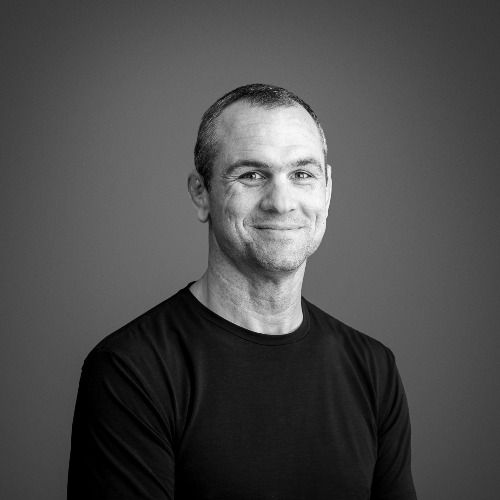
Dr. Jonpaul Nevin is Associate Professor in Human Performance and Health at Buckinghamshire New University and Programme Director of the Tactical Athlete Performance Centre. He joined the Royal Engineers as a sixteen-year-old apprentice, retrained as a physical training instructor, and served nearly fifteen years in the British Army. His last tour, Operation Herrick 10 in Helmand Province in 2009, led to Headley Court, where he went from watching casualties come home to rehabilitating them. He has asked ever since whether the army did everything it could to prepare its soldiers.
Jonpaul and Harry talk how a staff sergeant’s paper on whether the British Army was fit to fight in Afghanistan became an undergraduate degree for physical training instructors, then the MSc in Human Performance Optimisation, and now a PhD pathway.
They also cover why robustness comes before resilience, what cognitive load does to decisions, and why the fied needs doctrine without dogma. Jonpaul argues the people who have lived the work should lead it and provides advice about curiosity and the fundamentals.
If you find value in this discussion, the best way to support our work and stay up to date on future episodes is to subscribe and leave us a quick rating or review. It helps us reach more people who need to hear these conversations.
Transcript
Welcome to the Teamcast.
Preston:I'm Dr.
Preston:Preston Cline, Director of the Mission Critical Team Institute.
Preston:Here, we discuss all things mission critical teams.
Preston:These are teams of four to 12 people indigenously trained and educated who
Preston:solve rapidly emerging complex adaptive problem sets where the consequence of
Preston:failure is death or catastrophic loss.
Preston:With my colleagues and our guests, we bring you insights from combat
Preston:zones to emergency rooms, dedicated to improving the success, survivability,
Preston:and sustainability of these teams.
Preston:We grapple with how to prepare for future events and how to develop
Preston:language and frameworks to transfer critical, often unspoken, knowledge.
Preston:Whether you're on a mission critical team or not, we aim to bring you
Preston:the broadest range of topics and guests as possible to help prepare
Preston:you to perform when it matters most.
Preston:Thank you for joining us, and hope you enjoy the Teamcast.
Harry:G'day, I'm Harry Moffitt.
Harry:Welcome to the Teamcast.
Harry:The modern construct of human performance has strong roots in
Harry:the ancient schoolhouses of the Spartans, known as the Agoge.
Harry:Here, their rational preparation developed their soldier citizens
Harry:along physical, psychological, social, and moral dimensions.
Harry:But as they say, nothing is new under the sun, and it feels as if
Harry:we're returning to that very ancient holistic approach across the modern
Harry:mission-critical team community.
Harry:Today's guest is one of the modern trailblazers in that field.
Harry:Certainly, he and his team at Buckinghamshire New University in England
Harry:have assembled a who's who of human performance experts from around the
Harry:world, including the likes of Professors Michael Matthews and Rob Orr, and they
Harry:help him to deliver the new Master's in Human Performance Optimization.
Harry:Dr.
Harry:Jonpaul Nevin has a very impressive academic profile spanning over two
Harry:decades of study, research, and writing.
Harry:But it's his practical experience as a soldier that truly tells his story.
Harry:From the valleys of the Helmand province in Afghanistan to his rehabilitation
Harry:work in the trauma wards of Headley Court in the UK, and now as the lead
Harry:of arguably the only mission-critical team-focused human performance post-grad
Harry:in the world, I was thrilled to speak with him on the Teamcast today.
Harry:I hope you enjoy our
Jonpaul:chat.
Harry:All right, Jonpaul, thanks for joining me on the
Harry:on the Teamcast today, mate
Jonpaul:Oh, thanks for having me, mate.
Jonpaul:I've been a, a big fan of the Teamcast for for many years, so it's a bit of an honor
Jonpaul:to be invited on to have a chat with you.
Harry:Great, mate.
Harry:I think you got so much to give in terms of what you're doing now not
Harry:only your past and your service, but where do we find you just so we
Harry:can place each other in the world?
Jonpaul:Oh, at the moment, mate, I'm part of what we call the Scottish
Jonpaul:Diaspora, so I'm down in England just in the, the Dorset-Wiltshire border
Harry:Excellent.
Harry:I'm in sunny Melbourne.
Harry:I believe you've got the good weather up your end.
Harry:We're just coming out of out of winter down here looking forward to spring.
Harry:Mate there's a lot of reasons for you to join us today, not- notwithstanding your
Harry:service, your studies your work in and around those two disciplines or vocations.
Harry:But it's, it, the, the new program that you've set up there, the Human
Harry:Performance Program, we're really interested in and we're interested in.
Harry:We see it as a bit of an emerging kind of area a domain.
Harry:Didn't exist maybe 15 years ago as a, as anything more
Harry:than a bit of a thought bubble.
Harry:But before we get into that give us a bit of background where you've come
Harry:from on this journey to end up running possibly the only human performance
Harry:university degree in the world.
Jonpaul:Yeah, sh- sure.
Jonpaul:So I'm Associate Professor in Human Performance and Health at
Jonpaul:Buckinghamshire New University.
Jonpaul:I'm also the Program Director for something known as the Tactical
Jonpaul:Athlete Performance Center.
Jonpaul:Now, my pathway into academia is a little bit different, so
Jonpaul:I'm what we call a pracademic.
Jonpaul:So before coming into academia just shy of 10 years ago now I previously served in
Jonpaul:the British Army for just shy of 15 years.
Jonpaul:So I initially joined the Corps of Royal Engineers as a 16-year-old way
Jonpaul:behind the years apprentice in 1997.
Jonpaul:However, in 2001 I trained as a physical training instructor so basically to
Jonpaul:deliver physical training at unit level before transferring into the,
Jonpaul:what was known at that time as the Army Physical Training Corps, where
Jonpaul:I actually specialized as a PTI.
Jonpaul:Within that, I had a specialist skill set, so I was what was called the
Jonpaul:remedial instructor, but they changed the name because it was it had negative
Jonpaul:connotations around the delivery of beastings- Yeah … so they changed
Jonpaul:it to a exercise rehab instructor.
Jonpaul:Which meant obviously d- delivery of physical training was my main
Jonpaul:effort, but I had this capability to deliver exercise rehab, working
Jonpaul:very closely with physiotherapists and other allied health professions.
Jonpaul:Over the duration of my career done several operational tours,
Jonpaul:my last of which was Operation Herrick 10 during the summer of 2009
Jonpaul:in Helmand province Afghanistan.
Jonpaul:The reason why I mention that particular tour is that p- put me on
Jonpaul:a, a direction of travel which has led me where I am today, arguably- Yeah
Jonpaul:having a reflect back.
Jonpaul:Because of the, that tour was our bloodiest tour- we lost somewhere in the
Jonpaul:region of 118 guys and girls in that.
Jonpaul:But off the back of it, I was then subsequently posted to the Defense Medical
Jonpaul:Rehabilitation Center at Headley Court.
Jonpaul:And my … That was unusual, as I went from a position of almost watching people
Jonpaul:from point of wounding, CASEVAC, come back to the UK, and then all of a sudden
Jonpaul:I'm delivering exercise rehab for them.
Jonpaul:The difference being though this time they're missing a, a couple of legs or if
Jonpaul:they've sustained a life-changing injury.
Harry:Wow.
Jonpaul:And I think when you've had that sort of experience it- It challenges you.
Jonpaul:You start thinking Fibnow, did we do everything we reasoned we could do to
Jonpaul:prepare minimum for that environment?
Jonpaul:Could have we done more?"
Jonpaul:And so it acted as a bit of a catalyst, but obviously we'll
Jonpaul:probably go into that in more detail.
Jonpaul:But yeah, that's a, a brief insight into my background.
Jonpaul:So obviously military and then shifting into academia
Jonpaul:and obviously where I am now.
Harry:Some, some people come out of those experience, Helmand sends
Harry:a bit of a chill up my spine.
Harry:I've spent probably two days in vicinity of there we were out further
Harry:east most of the operational areas.
Harry:But why does it, why did you- how do you find inspiration that some
Harry:people are affected negatively?
Harry:You've managed to turn that into a positive.
Jonpaul:I would say the tour was a challenge for everyone
Jonpaul:on it with- without a doubt.
Jonpaul:It was just the nature of it, the nature of the threat, because we were
Jonpaul:fixed and obviously a, a huge brigade operation was initiated by 19 Light
Jonpaul:Brigade, Panchai Palang, to try and clear a lot of insurgent areas, but that
Jonpaul:meant we had to go on the front foot.
Jonpaul:And the threat wasn't a kinetic threat like it was in the earlier days.
Jonpaul:It was the IED threat.
Jonpaul:The IED threat was through the roof.
Jonpaul:So you had guys and girls going out the door or out the gate of the FOB and they
Jonpaul:just didn't know what was going to happen.
Jonpaul:And I've seen stats where the ratios are really high.
Jonpaul:There's like a one in three chance that someone's going to stand on an IED.
Jonpaul:And when you've got those sort of odds, it's going to- Wow … it's
Jonpaul:going to negatively affect you.
Jonpaul:And obviously come back with the, off the back of that tour and what
Jonpaul:was weird, and we were chatting about it just before we came online,
Jonpaul:you mentioned Edinburgh Tattoo.
Jonpaul:We came back and I had a couple of weeks away before I went to Headley Court and
Jonpaul:I went to the tattoo in Edinburgh and you had the, and it hadn't bothered me until
Jonpaul:that point, but then we had the Lone Piper and the, the, there was something- Wow
Jonpaul:about the Lone Piper and it was a vig- it went to the vigils because we had to
Jonpaul:obviously, because of the casualties, we had vigils as well in theater.
Jonpaul:And the, that really, that was a bit of an arse kicker.
Jonpaul:In-house, managed to box that, went to Headley Court.
Jonpaul:In Headley Court, all of a sudden we have all these guys and girls
Jonpaul:coming in with life-changing injuries predominantly from that tour.
Jonpaul:There, there's a lag because they went back, they got injured, they get casevaced
Jonpaul:back to the airamed back to the UK.
Jonpaul:They go to Selly Oaks Hospital at that point or the, the QE.
Jonpaul:They'd be stabilized and then they'd come to Headley Court a couple of weeks later.
Jonpaul:And you'd watch the guys coming in and they had been physically minced.
Jonpaul:I'm not going to sit on the fence.
Jonpaul:They were in, in, in a real bad way.
Jonpaul:And you look at how they dealt with it, right?
Jonpaul:They've got a choice.
Jonpaul:It's either I can sit here and wallow in self-pity, or I can draw a line in the
Jonpaul:sand, move forward and just crack on.
Jonpaul:And like you might call it a post-traumatic growth.
Jonpaul:There's obviously a term used quite a lot now.
Jonpaul:In that setting, you've seen true post-traumatic growth, right?
Jonpaul:You've seen people saying they accepted where they were.
Jonpaul:Nothing I can do about it.
Jonpaul:I can't grow, I can't grow my legs back.
Jonpaul:I need to crack on."
Jonpaul:And that created a quite unique environment.
Jonpaul:And that environment manifested itself not only within the patients,
Jonpaul:but also within the staff, because then, like we had the motivation.
Jonpaul:We had the very core motivation of what we, what needed to do to get our guys and
Jonpaul:girls back to where they wanted to be.
Jonpaul:But when you seen how the guys and girls responded to their condition
Jonpaul:and where they were at that time in their life, you're like, fucking hell.
Jonpaul:Yeah, let's move forwards.
Jonpaul:And that positivity and that g- that growth mindset, yeah, it just
Jonpaul:sort of- Manifested itself in.
Jonpaul:And I think it goes with your, maybe your personality and upbringing as well
Jonpaul:as all these things are all intertwined.
Jonpaul:But the tour itself managed to box, but when there's, when you came back in
Jonpaul:Headley and you had that impact, and you had the bounce to rebound, and you're,
Jonpaul:yeah, this is a motivat- like you're motivated to do what you want to do.
Jonpaul:Yeah.
Jonpaul:But you're seeing people respond to far w- to, to things far worse
Jonpaul:than you've been through, and you're, yeah, that we can move.
Jonpaul:So actually a bit of a catalyst.
Jonpaul:So yeah, I've gone- Yeah … gone on a bit of a tangent there, but
Jonpaul:that's how I view it upon reflection.
Harry:No, not at all.
Harry:It's a powerful inspiration to see people in that situation and and bring,
Harry:turning up each day in a positive frame of mind or as best they can possibly do.
Harry:Mate it's amazing and I think that will resonate with a great deal of
Harry:our audience trauma and adversity and how we respond to that.
Harry:And really that's what the the institute, the Mission Critical Team
Harry:Institute exists for and s- part of what we, big part of what we serve.
Harry:So you you're at Headley Court or you finish at Headley Court.
Harry:What year are we at here and and where did you go from there?
Jonpaul:So 2000 and…
Jonpaul:That was 2009.
Jonpaul:Herrick's 2009, came off the back, so beginning of September,
Jonpaul:mid-September 2009 at Headley Court.
Jonpaul:I was at Headley for about, oof, three, two and a half years.
Jonpaul:Two and a half years over what we had, we called it the surge.
Jonpaul:So Herrick 11 was the start, and it didn't get any better in terms
Jonpaul:of casualties coming back, so up until around Herrick 15 for us.
Jonpaul:So it was a busy period.
Jonpaul:But I got involved in some charity work doing some really cool things.
Jonpaul:So we had a program called Operation Surf.
Jonpaul:So we took some of our wounded over to the Central Coast in California
Jonpaul:to surf as a rehab vehicle.
Jonpaul:And I'm not going to lie, it was rubbish, worst trip I've ever been in my life.
Jonpaul:But no, it was it was a privilege to run that from the UK perspective.
Jonpaul:And then we went back to America.
Jonpaul:We'd done something called Race Across America so just a small
Jonpaul:3,000-mile bike race, Yeah … from Oceanside to Annapolis, so we
Jonpaul:took a, a wounded team on that.
Jonpaul:Eight participants with seven legs between them.
Jonpaul:And that was brilliant, but that introduced me obviously to the,
Jonpaul:to to the charitable sector.
Jonpaul:And I was approached, headhunted almost, by a, a charity in
Jonpaul:the UK called Help for Heroes.
Jonpaul:And the guy that set Help for Heroes up, a guy called Bryn Parry
Jonpaul:he's unfortunately left us now.
Jonpaul:Bryn approached me and said, "Look, Fippin, I want to create
Jonpaul:a recovery setup for the wounded.
Jonpaul:Obviously we're brilliant, we've got rehab, but what happens when they leave?"
Jonpaul:So the- … I was approached by them and offered the opportunity to go and work
Jonpaul:within what we call defense recovery, the next step supporting our guys and
Jonpaul:girls a- as they re-evl- reorientate back to life and find a new direction.
Jonpaul:So it was a bit of a, a unique offer.
Jonpaul:Yeah, so I took that.
Jonpaul:So it's- I left the military in 2012, but I didn't, if that makes sense.
Jonpaul:Yeah.
Jonpaul:So I was no longer wear- wearing green, but I was still working in a
Jonpaul:military environment- Okay … I was still working the military style, and
Jonpaul:I was still working with military.
Jonpaul:So I was there for a couple of years, and the OPSERV continued which was brilliant.
Jonpaul:Obviously we'd done- had Invictus Games, so I was a lead coach for the cycling
Jonpaul:in the Invictus Games, the British team.
Jonpaul:We'd done the RAM again in 2017 just for the lols, and then shifted into academia.
Jonpaul:I'd always wanted to…
Jonpaul:I- I've always been quite curious, especially intellectually curious.
Jonpaul:Yeah.
Jonpaul:So I took up a position at Buckinghamshire New University as a
Jonpaul:part-time lecturer, senior lecturer, sorry, in strength and conditioning.
Jonpaul:And then things just developed from there, and then there, there was a gradual
Jonpaul:phase shift where I overlapped the two roles and then moved into academia.
Jonpaul:Moving into academia from obviously a military background, especially with
Jonpaul:obviously what we'd been experienced over that decade, was a bit of a challenge.
Jonpaul:I was a bit like a bull- Yeah … in a China shop to begin with.
Jonpaul:But it's an environment where I've, when I've settled down, I feel very
Jonpaul:comfortable within, and it's and obviously the, my university, BNU, have
Jonpaul:been very accommodating and allowed us to develop TAPC, 'cause I think a
Jonpaul:lot of institutions wouldn't have ex- exploited this opportunity, they wouldn't
Jonpaul:have supported it for various reasons.
Jonpaul:But BNU was just the right institution, so it was…
Jonpaul:That, that was fortune.
Jonpaul:So yeah, that, that's Again, going off on a bit of a tangent, but
Jonpaul:that was the sort of progression.
Harry:Not at all.
Harry:So TAPC, just remind the listeners that, what TAPC, and tell us where the…
Harry:where did the, where was the, what's the origin story of what
Harry:is now a, a, a master's degree?
Harry:But when did you kinda go, "This is what I wanna do to-
Harry:Yeah … address the gap I sense?"
Jonpaul:So TAPC itself is a center which we've developed within Buckinghamshire
Jonpaul:University and our aim is to enhance the education, health, and occupational
Jonpaul:performance of those who operate in the extreme's context to the diffusion
Jonpaul:of education innovation, pragmatic applied research, and the development
Jonpaul:of mutual beneficial partnerships.
Jonpaul:So that's our objective.
Jonpaul:Now, where did it all come from?
Jonpaul:It comes- it started during that Herrick tour, which I've already mentioned.
Jonpaul:Myself and another colleague who works with me now Joe Foreshew, we used to
Jonpaul:sit grab a brew and we used to chat about how the guys and girls weren't
Jonpaul:prepared for the physical demands of that operational environment.
Jonpaul:And I will argue strongly to this day that we were tried and we were
Jonpaul:tested, and we were found wanting in regards to our physical preparedness.
Jonpaul:Now, when we were out there, we had a really bad day early June.
Jonpaul:I think we lost nine people in what, a single incident, up in Mushdn, in Sangin.
Jonpaul:And it affected everyone, and the next day, a team from headquarters,
Jonpaul:APTC, came on the battlefield tour.
Jonpaul:But that's what it felt like to me.
Jonpaul:They were out fact-finding, seeing what we were up to.
Jonpaul:And I always remember it, 'cause I looked at them and their kit was immaculate,
Jonpaul:it had just came out the packet, and you know when you've got that really fine dust
Jonpaul:from Afghan, and you're caked in it, and then they're turning up in this fresh kit.
Jonpaul:And a certain individual, who became a very strong supporter
Jonpaul:of me afterwards came into the gym and he said, "Oh, hi, Stav.
Jonpaul:Yep, w- we're preparing the guys and girls well for the demands of theater."
Jonpaul:And I looked at him there, I literally said to him, "Are we fuck?"
Jonpaul:Excuse my language.
Jonpaul:And we'd just went off on a b- I went off on a tangent, and in the back of my
Jonpaul:head I was like that's my career over," 'cause he was a lieutenant colonel.
Jonpaul:And he's like, if you feel that strongly about it, write about it."
Jonpaul:And I was like, "All right, I will."
Jonpaul:'Cause I was doing my undergrad degree at the same time, I'd paused it.
Jonpaul:But i- in our location there was a team from Defense Science and Technology
Jonpaul:Laboratory, DSTL, and every morning I used to go in and see them in their pod,
Jonpaul:and they'd be, "Hey, morning geeks."
Jonpaul:As t- being flippant.
Jonpaul:But I got to know them real well and understand what DSTL does, and how
Jonpaul:DSTL supports defense within the UK.
Jonpaul:And I went through and said guys, I've been challenged with this," and
Jonpaul:they supported me, they helped me.
Jonpaul:A, and a p- a particular individual, Rene Navola, guided me to write
Jonpaul:this article, Is the British Army Fit to Fight in Afghan?:
Jonpaul:Optimizing Physical Performance for Dismounted Close Combat.
Jonpaul:Now, I was halfway through this piece- Came back.
Jonpaul:Obviously, we've got the stuff where I talked about was in the tattoo.
Jonpaul:Went to Headley Court.
Jonpaul:Obviously, the, the…
Jonpaul:Everything's rolling there.
Jonpaul:And if you want a catalyst to motivate you to write , you're
Jonpaul:not gonna get any stronger.
Jonpaul:And I put- Yeah … my heart and soul into this paper.
Jonpaul:Absolutely everything I had.
Jonpaul:And I sent it up the chain.
Jonpaul:It got to HQ Army picked it up, and it got promulgated out.
Jonpaul:And before you know it, it's been real well received.
Jonpaul:I'm getting pulled in for discussions way above my pay grade
Jonpaul:as a staff sergeant this time.
Jonpaul:And the ball's rolling.
Jonpaul:Now, my focus then started to shift to more obviously what I
Jonpaul:was doing for rehab and recovery.
Jonpaul:But all of a sudden, the PT core started pulling me in, right?
Jonpaul:"What's your thoughts on this?
Jonpaul:What's your thoughts on that?"
Jonpaul:All right, fair enough.
Jonpaul:Even as I left, I was still getting pulled in.
Jonpaul:And that was quite humbling, to be honest, that my voice, they were prepared to
Jonpaul:listen to my voice and what I had to say.
Jonpaul:But I still had…
Jonpaul:One of the discussions that we had, myself and Joe, when we
Jonpaul:were in in, in the theater was sure there's a better way, right?
Jonpaul:We need to train our PTIs a better way- Yeah
Jonpaul:because they're the ones who are fundamentally responsible for
Jonpaul:preparing our guys and girls.
Jonpaul:And we had these ideas in the back of the head, in the back of our heads.
Jonpaul:And to cut a long story short, fast forward five years, I was catching up
Jonpaul:with other individuals in the PT core.
Jonpaul:Now, PT core is a bit of a u- unique entity within the British military in
Jonpaul:that we do not have direct entry officers.
Jonpaul:All our officers come through the ranks.
Jonpaul:Now, that has its inherent strengths, and it has its inherent limitations.
Jonpaul:But it just so happens that a lot of my peer group are starting
Jonpaul:to get commissioned and moving into positions of influence.
Jonpaul:And we were chatting about what was happening for the education
Jonpaul:provision in the core at that time.
Jonpaul:So within the PT core to gain, to enhance your promotion
Jonpaul:prospects, you need a degree.
Jonpaul:And if you want a commission, arguably you need a master's.
Jonpaul:And th- that…
Jonpaul:indeed, that's how I got into academia.
Jonpaul:The PT core put me in an undergraduate degree, and obviously
Jonpaul:I've progressed from there.
Jonpaul:And they were tied in with another university, and we all had a few
Jonpaul:beers, and that's what I flippantly said, because I'd only just
Jonpaul:started to be in new at this time-
Jonpaul:so I'm quite fresh in the door.
Jonpaul:Yeah.
Jonpaul:"How cool would it be if we could develop a bespoke undergrad program for PTIs?"
Jonpaul:So my- There we are … a, a degree program for PTIs by PTIs.
Jonpaul:That'd be awesome if we could do that.
Jonpaul:Cut a long story short, that's what we went ahead and did.
Jonpaul:So we took the proposal to university.
Jonpaul:It just so happens that the university is raising detritus to support the
Jonpaul:needs of public service and industry.
Jonpaul:Turns out they had the military engagement strategy from a previous
Jonpaul:call week who had been forward-thinking.
Jonpaul:He'd codified this.
Jonpaul:So what I
Harry:did- So they're looking for, they're looking for
Harry:opportunities that you've got
Jonpaul:Yeah, ex-exactly that.
Jonpaul:And their big-- And at that point, it was as long as you don't
Jonpaul:lose money, you crack on, son.
Jonpaul:Like you, you-- If you c- if you've got a niche here and you think
Jonpaul:it can be a benefit, go for it.
Jonpaul:And it wasn't necessarily this…
Jonpaul:It wasn't the financial element.
Jonpaul:It's it wasn't about making money.
Jonpaul:It was more about the civic good.
Jonpaul:It's about enhancing UK PLC- Yeah … and that's the element to it.
Jonpaul:So we went ahead and we developed a BSC on their strength and
Jonpaul:conditioning in tactical populations.
Jonpaul:And that, that program's seven years down the line now.
Jonpaul:And let's see.
Jonpaul:That's still the only program of its type.
Jonpaul:There isn't a comparable in the world.
Jonpaul:But it's only open to physical training-- royal army physical
Jonpaul:training corps instructors and their equivalents from the Royal Navy, Royal
Jonpaul:Marines, and the Royal Air Force.
Jonpaul:Which means that the cohort each year is relatively small.
Jonpaul:It's only around 10 students.
Jonpaul:But what…
Jonpaul:That, that program was the genesis then for TAPC, because that program, we
Jonpaul:got it developed, we got it validated.
Jonpaul:It had very unique cer- contextual relevance to the
Jonpaul:requirements of service PTIs.
Jonpaul:So it wasn't just a generic sports science strength and conditioning degree.
Jonpaul:It was a strength and conditioning degree developed around the knowledge which
Jonpaul:they needed to have a downstream effect to enhance operational effectiveness.
Jonpaul:So we had proof of concept.
Jonpaul:And I was catching up with a call where you can mention how cool would it be
Jonpaul:if we could develop something like the Tactical Research Unit with…
Jonpaul:Or down in Bond University- Yeah … in Australia.
Jonpaul:Rob's running, Rob, Professor Robbo.
Jonpaul:And they said, "Do you know what?
Jonpaul:That'd be…
Jonpaul:That sounds a good idea.
Jonpaul:I like this.
Jonpaul:Let's roll with it."
Jonpaul:So we took a proposal up to senior management team at uni.
Jonpaul:Can we develop a, a conceptual s- this, this center within the what was the school
Jonpaul:at that time are now colleges to support, which is a progression from the undergrad.
Jonpaul:And they said, "Okay, yeah, we'll support that.
Jonpaul:We like that.
Jonpaul:You've demonstrated proof of concept."
Jonpaul:So we developed the undergrad.
Jonpaul:We had the undergrad rolling, but we needed the master's.
Jonpaul:And they were like, "What's your master's going to be?"
Jonpaul:And Obviously, I've got an undergrad in strength and conditioning,
Jonpaul:a master's in strength and conditioning, full accredited.
Jonpaul:Strength and conditioning isn't rocket science, and I apologize
Jonpaul:any strength and conditioning coaches are out there, like- Our
Harry:what?
Jonpaul:Yeah.
Jonpaul:Our profession is important and it's a, but it's about people and-
Jonpaul:Yeah … but as long as we can work and coach people we're good.
Jonpaul:But it didn't make sense to have a master's on it c- 'cause the
Jonpaul:my, my own journey reflected the two programs are very similar.
Jonpaul:Yeah, you could argue you're going in more depth, but it just didn't sit right.
Jonpaul:And I was going to Quebec for a conference.
Jonpaul:It was the International Congress of Soldier Physical Performance.
Jonpaul:And on the flight over, started reading the book Human Performance Optimization:
Jonpaul:The Science and Ethics of Enhancing Human Performance by Professor Mike
Jonpaul:Matthews who was at West Point.
Jonpaul:And when I read this book, it was one of those books you read it once 'cause
Jonpaul:it's a bit of a heavy text, and you're like, "I'm reading this bad boy again."
Jonpaul:Read it again.
Jonpaul:Not all in one flight, by the way.
Jonpaul:It took a bit longer than that.
Jonpaul:And the penny dropped because I'd also been tracking this c- this idea of HPO
Jonpaul:from obviously the work I'd done around the Fit to Fight paper back in 2009, 2010.
Jonpaul:So I'd always had this bead, but this book pulled it all together,
Jonpaul:and I was like, "This might be the way to go for a master's."
Jonpaul:And then funny enough, in Quebec, the same colleagues from DSTL who'd been
Jonpaul:in Afghan were there, and we were chatting, chewing the fat again over
Jonpaul:a beer- Yeah … in sunny Quebec.
Jonpaul:No, it wasn't sunny, actually.
Jonpaul:Baltic is frozen.
Jonpaul:The Or- the Orange River is frozen.
Jonpaul:And I mentioned to them what we're thinking about doing, and they're like
Jonpaul:this is an area of interest for us because human augmentation's coming online quick."
Jonpaul:Yeah.
Jonpaul:"But there's no point in investing billions of pounds into these
Jonpaul:exquisite technologies if we've not dialed in the human system first."
Jonpaul:So then we started having a, a, a dialogue.
Jonpaul:And then from there, said, "Let's see if we can develop an MSC in
Jonpaul:human performance optimization."
Jonpaul:So myself and Martin Jones who you've spoke to.
Jonpaul:Martin was at DSTL at the time.
Jonpaul:Yeah.
Jonpaul:Martin we worked together to s- to develop the framework for this MSC program.
Jonpaul:And then we said what about in terms of indicative content?
Jonpaul:It's not a case of us telling defense what it needs," 'cause bear in mind,
Jonpaul:we're focused upon defense at this point.
Jonpaul:"Why don't we get them on board and find out what they think they need?
Jonpaul:Let, let's reverse engineer this whole thing."
Harry:Have you at this stage, is there any other programs ar- around the
Harry:world that you can go and pick at, or are you're just blazing the trail here
Harry:i- in this m- what is more holistic approach to the whole of the organism?
Jonpaul:At that point, nothing.
Jonpaul:There was nothing at all.
Jonpaul:Yeah.
Jonpaul:And what was different was we, each of the … So what we did
Jonpaul:was we ident- we looked at HPO.
Jonpaul:We needed to define it first.
Jonpaul:The definition we used was the use of science and … The, the
Jonpaul:DSTL definition was use of science and technology to enhance human
Jonpaul:performance capabilities up to the limit of one's biological potential.
Jonpaul:Yeah.
Jonpaul:And then the, the definition for human augmentation is the use of science
Jonpaul:and technology to enhance human performance capabilities beyond the
Jonpaul:limit of one's biological potential.
Jonpaul:So we had that definition.
Harry:That's a great definition.
Harry:Just say that again, please, mate.
Harry:That's a, just a, the most elegant way I've heard it described.
Harry:But so if you just say that again for us.
Jonpaul:Yeah.
Jonpaul:So the use of science and technology to enhance human performance
Jonpaul:capabilities up to the limit of one's biological potential.
Jonpaul:And w- but I think what was good, we then had the definitions.
Jonpaul:Okay what about how are we then going to structure it?
Jonpaul:Now, I know you've got the biopsychosocial model of human
Jonpaul:per- of performance in, Engel's (biopsychosocial) model, but that was
Jonpaul:a wee bit too simplistic for our needs.
Jonpaul:So what we started to do is look at what, what could be key domains of
Jonpaul:each, of human performance optimization.
Jonpaul:And at the same time, the US military were just beginning to roll out the Holistic
Jonpaul:Force Fitness program or their- Yeah
Jonpaul:their HPO doctrine.
Jonpaul:So we were d- jumping on the coattails of that to a degree,
Jonpaul:but that gave us direction because then okay, what about domains?
Jonpaul:Can we align these domains to modules?
Jonpaul:So so optimize the physical readiness, apply performance psychology, optimize
Jonpaul:human cognitive capabilities, sleeps, advanced performance nutrition, sleep
Jonpaul:science, and then contemporary issues in human performance optimization,
Jonpaul:which is a bit of a, a broad module, but essentially we're feeding into
Jonpaul:the realm of human augmentation.
Jonpaul:But then that, what we realized is if we go down that line, we have these
Jonpaul:domains of HPO, and then we can- Yeah … stratify indicative content within that.
Jonpaul:So what we then did was we got all the key stakeholders down.
Jonpaul:So all the PT branches in British military, in you
Jonpaul:come, we'll give you lunch.
Jonpaul:Certain special assignments within UK defense, come on
Jonpaul:down, we'll give you lunch.
Jonpaul:DSTL, come on, get them all in the room.
Jonpaul:This is HPO.
Jonpaul:This is a concept, these domains.
Jonpaul:What knowledge do you think we need?
Jonpaul:And we went through this quite an iterative process of identifying
Jonpaul:what they felt they needed.
Jonpaul:Some of it g- was good ideas, some of it was maybe not.
Jonpaul:But we stratified it down, and then that gave us the indicative content which we
Jonpaul:felt we were gonna need for the program.
Jonpaul:And then we looked at it and thought, "Shit, there's no
Jonpaul:way we can deliver this."
Jonpaul:In fact, there's probably no university in the world that's
Jonpaul:gonna have this breadth of content breadth of knowledge or expertise.
Jonpaul:So Martin went Martin had a brainwave and basically said do you know what?
Jonpaul:Why don't we go big or go home?"
Jonpaul:He was the NATO human factors lead at that time for the UK, and he
Jonpaul:said, "Let's identify the best people who we know within these, these
Jonpaul:areas, and let's just approach them.
Jonpaul:I'll do the intro, and you can kick the door in because you're
Jonpaul:quite passionate about this."
Jonpaul:And that's what we did.
Jonpaul:And o- and off we went, and it was like a snowball effect.
Jonpaul:And I think in the first roll-round, we ended up with 33 guest speakers from
Jonpaul:around the world, and obviously then as it evolved, we got yourself on board,
Jonpaul:we got Preston on board a- and others.
Jonpaul:And what that then created was what I feel was the USP of the program.
Jonpaul:This div- so we have the structure, but it's the diversity of the thought and
Jonpaul:knowledge, and sometimes obviously the arg- the guest speakers who come onto
Jonpaul:the program, they challenge others.
Jonpaul:So again, it's just that diversity of thought, diversity of opinion.
Jonpaul:So key.
Jonpaul:But we were on the roll then, and I thought, "Do you know what?
Jonpaul:Now I'm m- if we're going big or go home, I'm g- I'm going
Jonpaul:to go for the head honcho."
Jonpaul:So Professor Mike Matthews, who I mentioned, I dropped Mike an email.
Jonpaul:Now, Mike's a professor at West Point, quite a prestigious
Jonpaul:institution in the States.
Harry:Yeah.
Jonpaul:And you think, "There's no way he's going to get back to me.
Jonpaul:He's going to chin me off."
Harry:He's like,
Harry:" Jonpaul: Who's this little jumpstart?"
Harry:And he got back to me within a couple of hours, and he said, "I'd be
Harry:delighted to look at your program."
Harry:So we sent him the information, and, Commended us on our efforts.
Harry:Mega take, that's a tick in the box.
Harry:He said we're 95% of the way there, gave us a few pointers and then
Harry:s- then said he'd be delighted to be a guest speaker on the program.
Harry:And all, and on he came.
Harry:And now we have Mike- Oh, yeah … emirates professor now Mike Matthews
Harry:as a visiting professor for us.
Harry:But that, when you got that level of prestige it just opened additional doors.
Harry:And then we have that, we've got additional colleagues Dr.
Harry:Carl Friedl from Usarium and so on.
Harry:There's, and but it was nuts.
Harry:It was, and it was an organic evolution.
Harry:We created the framework.
Harry:We planted the seeds.
Harry:And bringing the people on board, they obviously, they grew as the
Harry:plants to create the program, to create the garden which we've got.
Harry:Which is crazy.
Harry:And I look back and people say, "Oh, did you, was that the plan?"
Harry:I say, "No, it was we evolved.
Harry:We identified opportunities, and we exploited those
Harry:opportunities aggressively.
Harry:The university supported us, and boom, there we go.
Harry:We've got this , this world leading MSC in Human Performance Optimization program
Harry:with this, this golden thread throughout."
Harry:And that, and we've maintained it, and we've really punched it.
Harry:And the, the knowledge which we are giving to the guys and girls
Harry:who come on the program needs to be applicable in the real world context.
Harry:If it's not, it is about as much use as a chocolate fire guard.
Harry:The theory's- Yeah … important, yes.
Harry:But more importantly, how do we apply that theory to make our people better?
Harry:Yeah, I think I've said it when I've had the pleasure and honor
Harry:of of being a speaker on the program.
Harry:What I'm interested in, I think what you're saying is the evidence is important
Harry:and yes but not so much interested in the evidence as we are what's evident
Harry:to the operators and and their needs.
Harry:And often their language too because I know as a knuckle-dragging grunt
Harry:back in the day the theory and the academics scare you, and you take a, a
Harry:path around big words and big concepts.
Harry:But I think if you can sit and listen to operators, you can s- soon tell
Harry:them that their intuitive endogenous mental models et cetera actually have
Harry:a, an academic firmament which which is interesting to them, and I think
Harry:it's a much healthier discussion.
Harry:And the human performance, the masters I remember first hearing about it.
Harry:I thought, "Someone's really moving the needle on this and doing something
Harry:that's long been needed," not only for military, but this has so much
Harry:relevance in other mission-critical teams from medicine and police, tactical
Harry:policing and fire and rescue, et cetera.
Harry:And I think for the first time, it's a dramatic way to put it, but
Harry:I think for the first time we're starting to treat the whole organism,
Harry:as I said, the whole human being.
Harry:And that has so many downstream benefits that most … You talked
Harry:about Operation Surf and Race Around America and, or Race Across America
Harry:and other charity, military charities.
Harry:They're addressing the ambulance at the bottom of the cliff, and this, I
Harry:hope and I think and I'm, I believe is part of the solution is we can do so
Harry:much more upstream and still present an excellent operator, whether that be a
Harry:war-fighting platform, as they're called.
Harry:And you know how I feel about the mechanistic kind of view of humans.
Harry:But there's a reality that we need to train people to fight, to war- train war
Harry:fighters in the military context at least.
Harry:Mate, what y- how, so what iteration are you up to with the course,
Harry:the masters program at the moment?
Jonpaul:The undergrads is in its seventh iteration.
Jonpaul:The master's program this year starting will be the fourth iteration.
Jonpaul:All right … and it's e- and it's evolved nicely because what we've
Jonpaul:done is we've not stood still.
Jonpaul:We didn't, obviously, as we developed it, the first year it rolled out because
Jonpaul:of the diversity of speakers, 'cause there's so many guest speakers on it.
Jonpaul:We were building the plane in flight, so to speak.
Jonpaul:So we knew what we were after, and obviously we got everyone on board.
Jonpaul:And w- I think what was really cool and humbling is a lot of the guest
Jonpaul:speakers did it pro bono which was cool.
Jonpaul:And obviously some for a small fee, and that, that's fine.
Jonpaul:But what was brilliant is then if someone's doing it pro bono, obviously
Jonpaul:you can't put pressure on them.
Jonpaul:They're doing you a, a massive solid.
Jonpaul:But we built it and we identified areas for, okay, w- development, what
Jonpaul:we can add, what we can remove, and then we've tweaked it and adjusted it.
Jonpaul:So a good example is yourself, mate, when you came on last year and
Jonpaul:obviously for Moving Forwards, is having that, that capstone lecture on
Jonpaul:the importance of philosophy in HPO.
Jonpaul:That, that's an example of an evolution which has supported the program.
Jonpaul:And there's other ways we're tweaking it.
Jonpaul:And I think that's, if, we should never be standing still.
Jonpaul:We should always be evolving and keeping in line with obviously developments.
Jonpaul:But obviously focusing upon the fundamental element.
Jonpaul:There is a fundamental core of content to the program.
Jonpaul:So I suppose that, that's where it's developed really nicely.
Jonpaul:What's been a really cool development, and it was always an aspiration,
Jonpaul:was to create a pathway to PhDs.
Jonpaul:And now we have our first PhD starting this year.
Jonpaul:So Mr.
Jonpaul:Henry Brewster.
Jonpaul:So Henry, I'm, I am giving you a shout-out.
Jonpaul:Congratulations.
Harry:Henry- I know that's a massive…
Harry:No, but that's a massive kind of step, isn't it, in terms of academic
Harry:route into the operator or the the, the yeah, the operator world.
Jonpaul:Oh, for sure.
Jonpaul:The best thing is Henry was a ex-Royal Marine, PTI.
Harry:Yep.
Jonpaul:He'd done our undergraduate program.
Jonpaul:He was a bit crazy, done our master's, rolled straight onto it.
Jonpaul:Handed his chit in with the Royal Marines and then we managed to poach
Jonpaul:him and get him on board as a lecturer.
Jonpaul:So it gives us- Great … it gives us obviously a bit of redundancy which is
Jonpaul:brilliant, and contextual relevance.
Jonpaul:But now he's rolling onto a PhD on load carriage, potential looking how we can
Jonpaul:optimize load carriage performance.
Jonpaul:And indeed we've both had plenty of experience with that.
Jonpaul:So is there a better way?
Jonpaul:And I think for that sort of PhD, it'll be brilliant.
Jonpaul:But it just…
Jonpaul:What's great now is we've had this undergraduate program, which was
Jonpaul:born from an experience and an idea.
Jonpaul:We've got the master's program, both of which are quite unique.
Jonpaul:Now we've got the PhDs, and we've we've created this loop which is brilliant.
Jonpaul:It's brilliant to see.
Jonpaul:And I think when the time comes for the final reorg I'm certain we'll be
Jonpaul:chuffed with that little piece of work.
Harry:Yeah that's great.
Harry:It's a great credit, mate.
Harry:I have a insight into firstly how hard it is just to do anything
Harry:outside the box as an OR in defense.
Harry:And anything this size, we have a humble…
Harry:the, the, the, the unit in Perth has a humble education program, and
Harry:with all the resistance that, you know what, we don't need educated
Harry:soldiers and all this type of stuff.
Harry:But but you just find a way to work through single issue zealotry, I
Harry:think it's sometimes referred to.
Harry:They're important.
Harry:They make the world go around.
Harry:And I'm glad and proud to say that we've got we've had one
Harry:person register out of Perth that they, as they've exited defense.
Harry:And I know that there's more back there recently, and there's
Harry:some questions around it.
Harry:So you might…
Harry:What happens if you start to get a c- an avalanche of people
Harry:signing up for the course, mate?
Harry:Is there an expansion, kinda world domination- No, I think-
Harry:University alliances or…
Jonpaul:No I think for us it's about creating high quality programs of study
Jonpaul:which are sustainable over the long term.
Jonpaul:But that, that- Yeah … that's a big thing, a big if- if not, y- as long…
Jonpaul:F- from a university perspective, as long as we don't lose money, they're
Jonpaul:happy to support, which is brilliant.
Jonpaul:Especially given the, the current state of play within academia within the UK.
Jonpaul:But it's to create a real high quality program of study and to create a community
Jonpaul:of practice whereby we bring people together who are like-minded, who have
Jonpaul:experiences, and you can bounce ideas and share knowledge, but also to cooperate
Jonpaul:with other like-minded institutions.
Jonpaul:Obviously with yourselves, Mission Critical Team Institute, you guys
Jonpaul:support us in a brilliant way, and obviously that, that experience
Jonpaul:you have and bringing it to life.
Jonpaul:We work very closely with the Tactical Research Unit at Bond
Jonpaul:University and Professor Rob Orr.
Jonpaul:Yeah.
Jonpaul:And also with the University of Chichester and the Occupational Performance Research
Jonpaul:Group down there with Professor Sam Blacker and Professor Steve Myers.
Jonpaul:So we're this sort of, what we'll try out of academic institutions, but also
Jonpaul:other international organizations, University of Pittsburgh, potentially
Jonpaul:University- Baylor University.
Jonpaul:And it's trying to just create a, a, a community where we work together.
Jonpaul:And we obviously, education's our main effort, always will be, but
Jonpaul:then to conduct maybe joint applied pragmatic research, and we've got
Jonpaul:quite a unique mechanism to do that within defense and within the UK.
Jonpaul:So yeah, I think for us it's sustainment and obviously
Jonpaul:maintaining those relationships and developing those relationships.
Jonpaul:But it's funny though, you, you mentioned obviously individuals
Jonpaul:coming up from Perth, and I think we've got a, a Australian cabal
Jonpaul:coming on the program this year.
Jonpaul:So I think we've got three from Australia.
Jonpaul:Excellent … so one's obviously one's Army, one's Navy, and one's Fire
Jonpaul:Service, which is brilliant to see.
Jonpaul:Obviously, and it's it shows that obviously how, what we're thinking and
Jonpaul:some of our ideas and concepts and the knowledge which we've pulled together from
Jonpaul:around the world is gonna obviously then go down under and be a benefit to them.
Harry:Fantastic.
Harry:I think I know the, I think it's Sam from the Fire who's- Yeah … yeah,
Harry:he's another f- super passionate guy, and accelerating fast into the space.
Harry:And it's in good hands, I think, as it grows.
Harry:Mate you sit i- in a, it's a rare position globally, i- particularly in
Harry:the mission critical team community.
Harry:We you've talked a little bit about the physiology and the path there,
Harry:and how that, that, that's the s- a, a starting point if I can put it like that.
Harry:What else are you seeing at the moment emerging into the human performance space?
Harry:And any, anything that's surprising you at the moment in terms of the, you talked
Harry:about the domains that you've broken up.
Harry:Is that still solid in your mind, and what are you seeing across those domains?
Harry:Y-
Jonpaul:yeah, I feel those, th- having that, those e- u- utilizing
Jonpaul:those recognized domains as well c- works well 'cause it stratifies
Jonpaul:you and allows you to focus on specific interventions within them.
Jonpaul:So if we look at the psychology domain, for example.
Jonpaul:A Professor Nathalie Pattyn, who does some work for us over in Belgium.
Jonpaul:Nathalie's got this brilliant emerging concept which I agree with.
Jonpaul:She calls it the three Rs.
Jonpaul:So everyone at one, everyone punches on about resilience, and resilience
Jonpaul:to me implies you've been knocked on your arse and you're bouncing back.
Jonpaul:If I keep it in layman's terms.
Jonpaul:But Nathalie's idea is we need to be ready- We need to be robust
Jonpaul:and we need to be resilient.
Jonpaul:Because if we're in a fight, I don't want to get knocked on my arse.
Jonpaul:If I get knocked on my arse, I'm gonna get filled in.
Jonpaul:I want to be robust enough to take the hit.
Jonpaul:And using that analogy, if we think about in extremist context, we need to
Jonpaul:be robust to deal with the stressors which we are going to get hit with.
Jonpaul:But we also need to accept that eventually those…
Jonpaul:We can be robust, we can be solid like an oak tree, but we
Jonpaul:might get knocked on our arse.
Jonpaul:And at that point, can we bounce back?
Jonpaul:And this- so it's taking this idea of resilience, but building it up
Jonpaul:and thinking- Yeah … okay, c- how do we make our people robust?
Jonpaul:And I…
Jonpaul:And this is where we need to look back to the past, what's
Jonpaul:been done by our forefathers.
Jonpaul:Because from a military perspective, and you know far better than I, there
Jonpaul:are certain ways to develop robustness through tough, arduous training applied
Jonpaul:in the right time, the right context.
Jonpaul:And it's very easy to throw that out the wa- throw that out the window, say,
Jonpaul:"Oh, there isn't a place for that."
Jonpaul:There is, in my opinion.
Jonpaul:And I think not always
Harry:con- No, couldn't ag- couldn't agree more.
Harry:Yeah, absolutely.
Jonpaul:Yeah, without a doubt, right?
Jonpaul:And we need adversity, right?
Jonpaul:You…
Jonpaul:If we don't have adversity, how are we gonna be forged?
Jonpaul:And I think not always trying to create a framework to provide
Jonpaul:the justification for it.
Jonpaul:Now, that feeds real and nice into the concept like stress inoculation training.
Jonpaul:So stress inoculation training we need to have a stressor first to relate
Jonpaul:to before you can develop mental skills to to think about how you
Jonpaul:can deal with that stressor better.
Jonpaul:And if you think in the military, I'm sure you can remember your
Jonpaul:first ever beasting, right?
Jonpaul:I can remember- Yeah … clear as day.
Jonpaul:If you have…
Jonpaul:If I had that done over to me again now, it'd be fine 'cause
Jonpaul:I've- I can cope with it.
Jonpaul:But as a 16-year-old, having that good news, that was like flipping
Jonpaul:hell shocking, I'll get some sunshine.
Jonpaul:But re- but I can re- but we can reflect upon it.
Jonpaul:And I say it flippantly.
Jonpaul:It's almost as a justification for a beasting at times.
Jonpaul:But to develop that.
Jonpaul:So that's one area of, I think, is real acute within the, the
Jonpaul:psycho- the psychological domain.
Harry:And on that you can definitely create the conditions for hard,
Harry:harsh adversity b- and beasting.
Harry:Let's say small B beasting if that's that, and that if you wanna use that
Harry:term, I've got no problems doing that.
Harry:You can still do that respectfully, with purpose, intentionally and deliberately,
Harry:and I hope we never see the end of that.
Harry:You don't want the kind of the, the bullying part of it, so some
Harry:dickhead- … gets up there and it's his high horse or her high horse.
Harry:But I hope we never see, and there has been examples of that around the globe
Harry:that I'm aware of in the Five Eyes community at least, where they've swung
Harry:the pendulum a little bit too far and you start to teach people a, a learned
Harry:helplessness, and that's not how to build people ready for war fighting or
Harry:emergency medicine on the side of the road or tactical police or any policing
Harry:for mat- that matter, fire and rescue.
Harry:I'm glad.
Harry:I think I think we've talked about it before, of bringing hardness back into
Harry:the world was one of the central tenets of Søren Kierkegaard and another lesser-known
Harry:philoso- philosopher, Percy Cerutty.
Harry:The world's getting soft, so I'm here to remind you to
Harry:stay hard and do hard things.
Harry:That's my bandwagon complete.
Harry:What else are you seeing, mate?
Jonpaul:So obviously we've got that one.
Jonpaul:I think in the cognitive domain, that, that's quite interesting at the moment.
Jonpaul:There's a lot of interest there because of the from the military perspective
Jonpaul:of obviously we're seeing the change in character of warfare driven by
Jonpaul:obviously the rapid advancements in AI and obviously drone-type technology.
Jonpaul:So the big area there is about understanding cognitive load.
Jonpaul:Can we quantify cognitive load?
Jonpaul:The impact of cognitive load upon not only our decision-making ability, but
Jonpaul:also how it impacts upon our physiological capability, which is real interesting.
Jonpaul:So Professor Samuele Marcora at University of Bologna has done some
Jonpaul:real interesting work, and there's some real interesting work in that
Jonpaul:field around the NATO at the moment.
Jonpaul:So that, that's of particular interest.
Jonpaul:So then it's like, okay, if we can understand the impact of cognitive
Jonpaul:load, can we adopt strategies to improve cognitive performance?
Jonpaul:So a good example from University of Texas is SMART, so Strategic
Jonpaul:Memory Advanced Reasoning Training.
Jonpaul:So it's a, a framework looking at three key areas to try and
Jonpaul:enhance cognitive capability.
Jonpaul:So I think that, that's really an interesting development,
Jonpaul:Wow … developmental area.
Jonpaul:Nutrition, obviously just eating well, I think goes without saying.
Jonpaul:And obviously appreciating the potential impact of a calorific deficit and how
Jonpaul:that impacts upon us, but the, I think the evidence is pretty solid there.
Jonpaul:Sleep, obviously understanding importance of sleep, being able to quantify and
Jonpaul:have strategies to improve sleep.
Jonpaul:Yeah, that's good.
Jonpaul:And then it's more sort of evolving then- human machine teaming,
Jonpaul:understanding how do we develop that?
Jonpaul:How do we develop trust within it?
Jonpaul:But for me, the biggest thing overall within the field of human
Jonpaul:performance optimization, is how do we provide direction of travel?
Jonpaul:How do we guide people?
Jonpaul:And from a military perspective, that goes back to doctrine, the
Jonpaul:developing a doctrinal framework to guide the delivery of interventions
Jonpaul:to enhance human performance capabilities in one way, shape, or form.
Jonpaul:And it's quite funny because one of the big things I piped on about in that paper,
Jonpaul:the Fit to Fight paper actually, is the importance that the British Army needed
Jonpaul:to develop a physical training doctrine, 'cause it didn't have it at that time.
Jonpaul:My, my friends laugh at me because it's the one thing I always pipe on about,
Jonpaul:and I think we need to have that.
Jonpaul:Outro- Sort of not we, organizations need to have something that just
Jonpaul:provides direction of travel, what works, what does not, and who's
Jonpaul:got the responsibility for it.
Jonpaul:Because we can have all this exploration, we can have all these exquisite
Jonpaul:technologies, and idea, and evidence, that's great, but if we can't cohere
Jonpaul:that, if we can't bring coherence to the delivery of these interventions
Jonpaul:we're pissing against the wall.
Jonpaul:And I think that, that's a big issue at the moment.
Jonpaul:But I think our colleagues in the US, this is where they're ahead,
Jonpaul:because if they, H- HPO as a concept or human performance as a concept,
Jonpaul:arguably at, in more contemporary times, is developed within there.
Jonpaul:And obviously we've seen that with the development of the Ranger
Jonpaul:Athlete Warrior Program back in 2006.
Jonpaul:That morphed into the performance THOR3, through tactical human
Jonpaul:optimization, rapid reconditioning and readiness, I think it was.
Jonpaul:Yeah.
Jonpaul:Then you had the Performance Triad, obviously the highlighting
Jonpaul:the importance of sleep, nutrition, and physical activity.
Jonpaul:Then you had POTFF, so preservation of the force and family, and
Jonpaul:obviously now you've got H2F.
Jonpaul:And one of the, the big strengths of the All-Essec Force Fitness doctrine
Jonpaul:or concept, sorry, in my idea, in, in my opinion, sorry, is that they have a
Jonpaul:doctrine to give direction of travel, and I think that's what's needed.
Jonpaul:I think organizations, instead of just getting these great ideas,
Jonpaul:they need to sit down- Yeah
Jonpaul:and think what is it?
Jonpaul:What do we need to make our people better?
Jonpaul:What's important?"
Jonpaul:It might be obviously within the military domain, we generally
Jonpaul:we need to develop it all.
Jonpaul:But if you're in a more of a a pointy end of the stick role, if
Jonpaul:you're at the tip end, tip of the spear physicality is very important.
Jonpaul:But what about if you're in a more of a cognitive role, like
Jonpaul:an intelligence analyst, right?
Jonpaul:Can we dial up the cognitive domain?
Jonpaul:Likewise, if we're in medicine, it, what domain's more important?
Jonpaul:Obviously, it's gonna be underpinned by nutrition and sleep and
Jonpaul:physical activity, yes, but maybe decision-making might be more important.
Jonpaul:And- Yeah … if we're gonna modulate delivery to enhance capability
Jonpaul:within these areas, we need to have something gives us direction of travel.
Jonpaul:And for me, that's why we need a doctrine.
Jonpaul:Not a prescriptive dogma, far from it- Definitely not that.
Jonpaul:That's dangerous.
Jonpaul:But a framework which is, all right, this is what you need to do.
Jonpaul:This is what works.
Jonpaul:Avoid this 'cause that's BS, and 'cause that is another…
Jonpaul:That's a major issue, I think, in the field.
Jonpaul:So yeah, there's a few JPs rants in regards to HPO and some of
Jonpaul:the things which are developing.
Harry:No, no rants there, mate.
Harry:I think there's a need for passion, particularly with your background.
Harry:And you're dead right, I think it's the same here.
Harry:I often say it's an emerging kind of field.
Harry:If you were to take the origins in the US, military athlete kind of, the origins
Harry:of the early 2000s or early this century, I can say it's emerging elsewhere and
Harry:it's still, in a way, in the States doing the same, but you need to have
Harry:this guidance, these guiding documents.
Harry:At the end of the day, it's it's easy for someone like me in particular
Harry:who might push back or challenge certain things to remember that
Harry:ultimately we do need to Build war fighters, and soldiers and coppers,
Harry:and ambulance officers and paramedics.
Harry:But again, this approach that you're at the forefront of amongst others in
Harry:the world is goes to another passion of mine, which is bringing them home safe.
Harry:We send them off, as we say in the mission critical team, in, in the MCTI
Harry:world we ask them to live an ordinary world of the post box pub and- … and
Harry:the hairdresser, and send them off to the unordered extraordinary world
Harry:often by themselves or together, by, by themselves, and then we bring them home.
Harry:And I think that's this, as I said, downstream, I think treats, treats that
Harry:that, that challenge, bringing them back through and navigating them home safely.
Harry:Where where's all this headed, mate?
Harry:If you were to kinda stretch your brain out 10, 20 years and I want you to think
Harry:about your journey specifically around the masters, the HPO Masters program, and
Harry:generally, more generally the, the, the s- the field or domain of human performance.
Harry:Give us a, give us, a the JP's rant on- … what that looks like going forward.
Harry:I would love to hear it.
Jonpaul:I think what we're probably gonna see is a continued evolution.
Jonpaul:We're not gonna see a revolution.
Jonpaul:It's gonna be an evolution whereby organizations, may they be
Jonpaul:military or first responders, are going to see the benefits of HPO.
Jonpaul:And there, there's somewhat evidence which has been published now from
Jonpaul:H2F, which has demonstrated the benefits, both objectively in terms
Jonpaul:of enhancing health wellbeing, but also the financial benefits.
Jonpaul:And ob- Yeah … unfortunately, in that day and age, that,
Jonpaul:that has a lot of weight.
Jonpaul:So when people start to see evidence that this thing works, then we're going to see
Jonpaul:a coherence, and I think organizations are gonna develop HPO programs.
Jonpaul:Initially, I think they'll be quite generic, and probably it has to be to
Jonpaul:begin with, but then those programs will evolve and develop to deliver
Jonpaul:more individualized interventions.
Jonpaul:To a degree we've got to be pragmatic.
Jonpaul:We're, it's not the case like performance sport, where we have all
Jonpaul:the resources under the sun, and we can deliver the very best, right?
Jonpaul:We need to be pragmatic and accept that we're going to, we can improve our
Jonpaul:people, but we need to also think about how much can we reasonably improve them?
Jonpaul:How can we make them be- how can we enhance their health wellbeing,
Jonpaul:occupational performance, longevity, like in one shape or form?
Jonpaul:So I think we're gonna see that evolution.
Jonpaul:I think I hope that we start to see that technology can be used to augment
Jonpaul:what we do, not to tell us what to do.
Jonpaul:It's not gonna be some shiny fix.
Jonpaul:We can't just rely on an AI algorithm to develop a training intervention.
Jonpaul:We are humans.
Jonpaul:We are people.
Jonpaul:We change.
Jonpaul:AI- Algorithmic thinking is rigid.
Jonpaul:Rigid things break.
Jonpaul:So hopefully people will start to realize, okay, these technologies have utility.
Jonpaul:It can help us here or there, but we need to put the people at the center.
Jonpaul:We need to work with our people.
Jonpaul:We may need to be human.
Jonpaul:We need human-human interaction.
Jonpaul:That's what it needs to be.
Jonpaul:Another thing, and this is maybe a bit contentious to a lot of people,
Jonpaul:but it's something I strongly believe in, that people from a d- a given
Jonpaul:organization, maybe military, first responders, they need to take the lead
Jonpaul:in the development of HPO programs, and we've seen that in the military context.
Jonpaul:If you bring someone from the civilian world, like the best S&C coach in
Jonpaul:the world, and you embed them in a, a military context, say, to offer an
Jonpaul:intervention to enhance performance, they might have the knowledge, but
Jonpaul:they don't have the experience.
Jonpaul:They've not been there.
Jonpaul:They've not lived it.
Jonpaul:And I think we need to create, hopefully, HPO teams or embedded HPO teams that are
Jonpaul:led by those o- individuals from those organizations who have that contextual
Jonpaul:understanding, who can say this will work in this context or this will not."
Jonpaul:Because if you've…
Jonpaul:you might be the best coach in the world.
Jonpaul:You might have all the badges in the world.
Jonpaul:If you've got a military unit, for example, and you say guys, we're going
Jonpaul:to do this and that," and you don't get buy-in, oh, you know it, forget it.
Jonpaul:It's not happening.
Jonpaul:They're going to get whinged at.
Jonpaul:Yeah.
Jonpaul:And that's wasted effort.
Jonpaul:And I think given the demands of those who operate in an extremist context,
Jonpaul:we need to recognize those demands, and the, the best people to do that
Jonpaul:are those who've lived it, I think.
Jonpaul:In, in my opinion, I believe that strongly because they can then come
Jonpaul:forward and say this is what we need."
Jonpaul:So they've got the, "They, this is what we need.
Jonpaul:Help us develop this to deliver an intervention to make our people better."
Jonpaul:Not some flipping crazy hair-brained idea or not some flipping sh-stupid
Jonpaul:concept which has appealed on or appeared, sorry on Instagram.
Jonpaul:Th- that, that's what it needs to be.
Jonpaul:So I hope that's what happens, that we recalibrate
Harry:Yeah, perfect, mate.
Harry:That's something that I think you're generating here, and I think there
Harry:should be an academic, a, a psychologist, strength and conditioning person
Harry:expert, but led by the operators.
Harry:Again, going back to when we tried to pinch from the US early days, it was very
Harry:difficult to convince defense and the hierarchy that some baggy ass sergeant
Harry:had a bunch of crazy ideas and about human performance, and they'd come and
Harry:say, "We're the adults in the room."
Harry:And that's what it felt like at times.
Harry:But as about operators in, in my field, they're pretty smart as
Harry:well, and they can get educated.
Harry:And you picked up on another thing there.
Harry:Y- or an extension of that, if you will, is training the operators.
Harry:Y- a lot of this is about training the operators to train themselves
Harry:and learn themselves about themselves with the supports around them.
Harry:I think going, going back- right back to the Spartans talked about training a
Harry:rational preparation so that they realize that as soon as they lose-- leave the,
Harry:the agoges, that some of these skills and abilities, and they did have what
Harry:appears anyway with the fragments left to have a more holistic, even a more
Harry:holistic approach to development of their soldiers, their warriors, their
Harry:citizens themselves, if you will, but they needed to tend to themselves as well.
Harry:So this rational preparation is what Percy Cerutty called training intelligence.
Harry:He didn't want his athletes to just run harder and faster and more laps.
Harry:He wanted them to actually take agency over their own training and learning so
Harry:that when he wasn't around, 'cause he had them for a few months of the year or a
Harry:few weeks at a time or traveled with them, that they were able to train themselves
Harry:at the same to the same standard that that he did when he was around coaching them.
Harry:So I love that idea of training intelligence.
Harry:I thought that one thing I'm seeing emerging in the world, or there's a,
Harry:a far more emphasis on it, is about character, and that's behind my kind
Harry:of my, m- my passion at the moment.
Harry:It the book and how we kinda come to to communicate with each other and catch up.
Harry:Do you have any anything that, any view or is there any, anywhere in the world
Harry:people can look to any academic studies or individuals that are deep in the weeds on
Harry:developing character or or maintaining it?
Harry:Or, because that's still up for grabs.
Jonpaul:For me Mike Matthews, Emeritus Professor Mike Matthews.
Jonpaul:So M- so Mike is wr- written some seminal books on character,
Jonpaul:the importance of character.
Jonpaul:And that's his big area of work.
Jonpaul:'Cause obviously working at West Point, he was at West Point I think for somebody
Jonpaul:25 years- Yeah … o- over a period when the American military were heavily
Jonpaul:engaged in combat operations worldwide.
Jonpaul:And Mike's thing was looking at what ca- the, the character is a
Jonpaul:big thing for West Point cadets, and he was looking at these 20…
Jonpaul:He had these…
Jonpaul:I can't remember exactly off the top of my head, but he has these there's
Jonpaul:22 charac- tr- character traits.
Jonpaul:Is it trait?
Jonpaul:Yeah, character traits, or not states, traits, character traits.
Jonpaul:And obviously the, the objectively measured…
Jonpaul:No, subjectively quantified the- the strength of these traits in individuals
Jonpaul:in successful cadets at West Point,
Jonpaul:In
Harry:AP Yeah, I think that's I think that's Seligman's model potentially,
Harry:or he- maybe they've worked together.
Harry:Yeah.
Jonpaul:Yeah.
Jonpaul:They work ve- very closely.
Jonpaul:And I think Mike was also the PhD supervisor for Angela Duckworth,
Jonpaul:who's done all the work around it.
Harry:Yeah.
Jonpaul:Okay … yeah.
Jonpaul:But when it comes to character a- as we say Mike is Yoda.
Jonpaul:His- Yep … anything he has written.
Jonpaul:And it's brilliant because Mike has a lot of lived experience as well.
Jonpaul:He was a U- US Air Force officer and a police officer- Yep … as
Jonpaul:well before he came into academia, so he re- he relates to the two.
Jonpaul:But in regards to character yeah, it's Mike's work is seminal in my opinion.
Harry:Brilliant.
Harry:And that, that's good because it is on the lips of many of the mission critical
Harry:teams now, not only assessing for it, but how do we develop and maintain it?
Harry:Again, sending them off to the unordered, extraordinary world,
Harry:very traumatic, human depravity, the realities of killing and death.
Harry:In all of the mission critical teams, our character is challenged
Harry:just like our physical and si- our mental d- domains o- of performance.
Harry:Mate I guess one thing we ask all of our guests on the Teamcast to do
Harry:out of your expertise, your area of expertise and what could- what…
Harry:If there was a couple of few things or a couple of nuggets you could
Harry:leave
Harry:Fear.
Harry:What are the things that you do that really move the needle, and what can
Harry:they do on Monday to to improve, enhance, maintain, recover from performance?
Jonpaul:The first…
Jonpaul:Oh, I've got three.
Jonpaul:So the first one is to be curious, and not just intellectually curious,
Jonpaul:just curious in general about life, about people, about things.
Jonpaul:Things that might be totally different and off their radar, because that opens up
Jonpaul:our mind and it expands us, and it's like that diversity of thought is so important.
Jonpaul:Because today it's being lost I feel, 'cause of social media- Correct … and
Jonpaul:these vicious echo chambers which we see on on some of these platforms.
Jonpaul:And when we go out and you speak to people from all around the world, and you
Jonpaul:learn their, and you hear their stories.
Jonpaul:And again, obviously, storytelling's a big thing, is you- at the MCTI,
Jonpaul:you guys have punched it big time, is you find out we, how similar we are,
Jonpaul:but then you look at the differences.
Jonpaul:And we don't want to all be homogenous and all be the same.
Jonpaul:Obviously, we're chatting about Scotland Airlines, and obviously
Jonpaul:the homogeneity of Scotland.
Jonpaul:But the diversity, and I think it's just so important to
Jonpaul:be curious about everything.
Jonpaul:Obviously, intellectual curiosity and reading.
Jonpaul:That ties into my second point, to read.
Jonpaul:Read every day.
Jonpaul:May that be papers or books.
Jonpaul:A c- a, a real good one is your own book, Harry.
Jonpaul:So yep, The Fourth Power.
Jonpaul:Ah.
Jonpaul:Witho- without a shadow of a doubt, mate, I'm gonna give you a shout for that.
Jonpaul:But books which we can relate to, a- again expands our mind.
Jonpaul:Not AI, not punching it into Cha- ChatGPT, because we need to get the gist.
Jonpaul:We need to read- Yeah
Jonpaul:to synthesize, to learn.
Jonpaul:And then when it comes to delivering interventions or making ourselves better-
Jonpaul:Focus on the fundamentals, the basics.
Jonpaul:Do the basics and do the basics well.
Jonpaul:If it's, s- if someone pipes up with some great new idea
Jonpaul:it's not gonna be nothing new.
Jonpaul:What, n- th- there's no crazy idea, there's no crazy technology
Jonpaul:which is going to owe us a huge improvement in performance.
Jonpaul:N- nothing out there which is legal anyway.
Jonpaul:But if we're training, may that be physically, may that be enhancing
Jonpaul:our psychological capabilities, our cognitive capabilities, enhancing
Jonpaul:our sleep, enhancing our nutrition, enhancing our performance as human
Jonpaul:beings, we need to do the basics, and we need to do them bloody consistently.
Jonpaul:Because if we do that, if we're curious, if we read and focus on
Jonpaul:the fundamentals, I will put my house on it, you will improve.
Jonpaul:And none of us will ever get to the limit of our biological potential.
Jonpaul:We can always be better every day in one way, shape, or form.
Jonpaul:And, but the improvements will always be small.
Jonpaul:They're not gonna, you're not gonna have a huge jump.
Jonpaul:You're not gonna improve your marathon time from five hours to
Jonpaul:three hours if it'd been in 12 weeks.
Jonpaul:Hey, that, that's BS.
Jonpaul:It's never gonna happen.
Jonpaul:But you can go be better.
Jonpaul:And if we go with that mindset, that growth mindset to just to be better every
Jonpaul:day in one way, shape, or form, being curious, reading, and focusing on the
Jonpaul:fundamentals we're on the right track.
Jonpaul:That's gonna take us to where we need to be.
Jonpaul:And then obviously when our time on this earth is done, yep, we can sit
Jonpaul:back and think, "All right, job's done.
Jonpaul:Done well.
Jonpaul:Done everything I could.
Jonpaul:Happy days.
Jonpaul:See you later."
Harry:Brilliant, mate.
Harry:That is absolutely brilliant, and I hope everyone's taking notes.
Harry:Mate, what do you do…
Harry:y- this is a, been amazing career, a, a life so far.
Harry:It's chock-full of effort and busyness, and you've got a
Harry:family that you manage as well.
Harry:How do you take time to look after yourself?
Harry:What do you do to steal moments, minutes, whatever, h- with time?
Harry:What do you do to keep yourself level and grounded?
Jonpaul:Phys.
Jonpaul:W- a, a lot of walking.
Jonpaul:A lot, I love being outdoors.
Jonpaul:Obviously, as part of the Scottish diaspora I need to go home.
Jonpaul:All Jo- all Scottish people need to go back home because I
Jonpaul:think that, that recharges us.
Jonpaul:It recharges our spirit, it recharges our soul.
Jonpaul:Th- there's something in there.
Jonpaul:And I think, yeah, that.
Jonpaul:Spending time in the water.
Jonpaul:May that be paddleboarding or surfing.
Jonpaul:Again, that, that has brilliant effect.
Jonpaul:And I suppose the big one is just being mindful.
Jonpaul:Mindful of, obviously, you can be really busy, and you've got all
Jonpaul:these things going on, then this project, then that project, and this
Jonpaul:book, and that paper, and that…
Jonpaul:stop.
Jonpaul:If everything- Just cease fire.
Jonpaul:Let that all go.
Jonpaul:Shut it down- … turn the phone off, and just chill out.
Jonpaul:That, that's easier said than done.
Jonpaul:And I certainly, it's, that, that's what I need to put time and effort into.
Jonpaul:But I think it's that.
Jonpaul:It's just being in nature and being back home.
Jonpaul:And yeah, just practicing what I preach I think is the best way I can describe it.
Harry:Wonderful.
Harry:Jonpaul, Dr.
Harry:Jonpaul, thank you very much for joining us on the Teamcast, mate.
Harry:And there's a bunch of lessons in there for all of us, I think, in
Harry:the mission critical team world.
Harry:Look after yourself and take time, and fight for time
Harry:sometimes, as you've alluded to.
Harry:But thanks so much, mate.
Harry:And again, congratulations on everything you've done and are doing.
Jonpaul:Cheers, bud.
Jonpaul:It's been an honor.
Jonpaul:Thank you.
Preston:Thank you again for listening to our Teamcast.
Preston:If you found value in this discussion, the best way to support our work
Preston:and ensure you don't miss future episodes is to subscribe and
Preston:leave us a quick rating or review.
Preston:It'll help us reach more people who need to hear these conversations.
Preston:For more on Mission Critical Team Institute, including all of our episodes
Preston:and show notes, visit missioncti.com.
Preston:You can also connect with us on LinkedIn.
Preston:And if you're a mission critical team looking to learn more about
Preston:our programs, reach out directly to our Director of Operations, Ms.
Preston:Janese Jackson, at janese@missioncti.com.
Preston:That's J-A-N-E-S-E@missioncti.com.
Preston:Until next time, thanks.