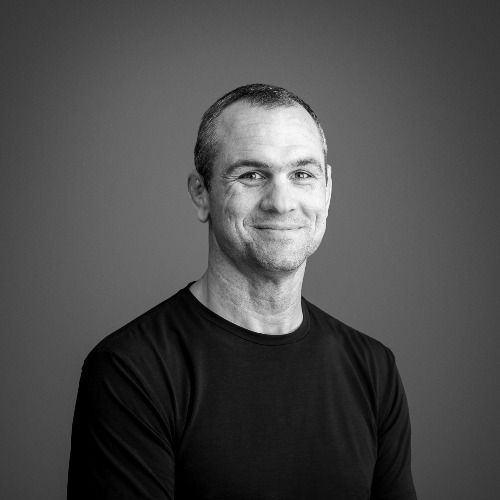
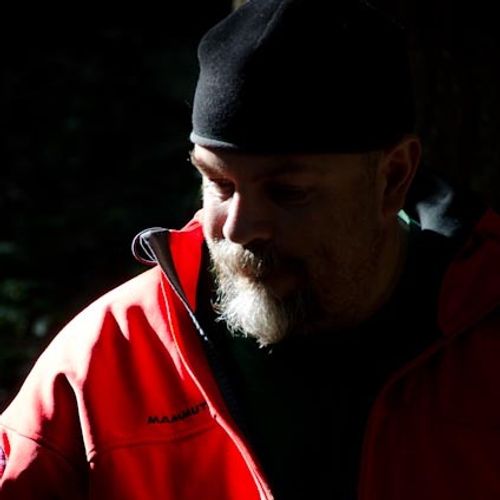
S6 Ep8 Adam Milano on Teamwork as Ensemble Art
What do theater, crisis response, military service, and social work have in common? More than you might guess. Adam Milano, faculty at UNC's School of Social Work, a military veteran, and theater-trained performer, joins Dan Dworkis to discuss how high-performance teamwork under pressure looks a lot like ensemble art.
In this episode:
- You can't turn off the human part — and you shouldn't
- Invisible excellence: the best work goes unnoticed
- Your job is to make your teammates look brilliant
- Your third emergency today is someone else's first
This conversation was released in partnership with The Emergency Mind Podcast and originally aired on February 16, 2026. If this conversation was useful, the best thing you can do is subscribe and leave a quick rating or review — it helps us reach the teams that need to hear these conversations most.
Transcript
Welcome to the Teamcast.
2
:I'm Dr.
3
:Preston Cline, director of the
Mission Critical Team Institute.
4
:Here we discuss all things
mission critical teams.
5
:These are teams of four to 12 people,
indigenously, trained and educated, who
6
:solve rapidly emerging complex adaptive
problem sets where the consequence of
7
:failure is death or catastrophic loss.
8
:With my colleagues and our guests,
we bring you insights from combat
9
:zones to emergency rooms dedicated to
improving the success, survivability,
10
:and sustainability of these teams.
11
:We grapple with how to prepare for
future events and how to develop
12
:language and frameworks to transfer
critical off and unspoken knowledge.
13
:Whether you're on a mission critical
team or not, we aim to bring you
14
:the broadest range of topics and
guests as possible to help prepare
15
:you to perform when it matters most.
16
:Thank you for joining us and
hope you enjoy the Teamcast.
17
:Dan: Hi folks.
18
:I'm Dan Dworkis, and my
guest today is Adam Milano.
19
:Now Adam is faculty at the University of
North Carolina's School of Social Work.
20
:Where he has core faculty with
their global social development
21
:innovation research center.
22
:Sorry, I had to think like really
hard about saying all of those words.
23
:And the Assistant director of Global
Engagement, he's also teaching faculty
24
:with a mental health and higher education
professional program at Harvard Graduate
25
:School of Education, a teaching fellow
for the Harvard University Graduate
26
:School of Education, online Educational
Leadership Program, volunteer faculty
27
:for the Warrior Scholar Project and
Chair of Special Initiatives for the
28
:Harvard Veteran Alumni Organization.
29
:As you can tell from that, Adam's a
gentleman that wears a lot of hats and has
30
:had a super interesting interdisciplinary,
like, Renaissance man style background.
31
:More than all that I can say on a personal
level that he's incredibly engaging
32
:and interesting to talk to, and I'm
lucky to have him on the podcast here.
33
:Adam, thanks for joining.
34
:Adam: Thanks so much for having me.
35
:Delighted to be here.
36
:Dan: Yeah, absolutely.
37
:So can you back translate
everything I just said for us?
38
:What is it that you actually do?
39
:And then we'll get into how you did it,
and we'll get into some of this like
40
:interdisciplinary magic, which might or
might not end up being the title of this
41
:episode, depending on where it goes.
42
:Adam: Yeah, I, I love that.
43
:I'll start with the, uh, funny story.
44
:I was trying recently to figure out what
I'd do and more importantly, figure out
45
:how to say in a sentence, there's a.
46
:Theme in academia where when you
introduce yourself, you say, this is my
47
:name and this is my area of research.
48
:And I was sitting in a line
and illustrious colleagues
49
:over and over again.
50
:It would come to me and I'd
be like, I just panicked.
51
:And so in the age of ai, I put my
CV into AI and I said like, can you
52
:just tell me in a sentence what I do?
53
:They gave me some good options,
but as is often the case, it
54
:was just a little bit off.
55
:So I think I'm still working
on it, but ultimately.
56
:I am a practitioner scholar, so I
deeply enjoy learning, teaching,
57
:reading, researching, writing about
these ideas, but also try to remain
58
:in the practice as much as possible.
59
:Bridging that idea theory to practice
specifically in how social work,
60
:storytelling, crisis response, and then
the ideas of loneliness and belonging,
61
:how all of those intersect and the
more I study them, the more it's like
62
:the Dunning Kruger effect, right?
63
:The more you expose yourself
to this concept, you're like,
64
:this is incredibly complicated.
65
:And so what I'm enjoying about studying
and learning these things is the
66
:more I dive into them, the less I
understand, but the more connection
67
:that I see and the more I'm trying
to just piece find things together,
68
:Dan: Man, love it.
69
:Love it.
70
:And we intersected in the middle
of a project where we were working
71
:with individuals who had, who were
currently and had previously gone
72
:through a wide variety of pretty
intense circumstances and who were
73
:engaged in, and I'm being a little bit
deliberately vague here, and that's fine.
74
:Engaged in the application of knowledge
and teams under high pressure situations.
75
:And in that context, we were talking a lot
about the arc of telling your own story,
76
:telling the story of how you connect
to the broader themes of your life.
77
:How do you bridge the distance
between the current work you're doing
78
:and your sort of overall sense of
self and the universe around you?
79
:And the theme of storytelling
is one that we've touched on a
80
:few times on the podcast, but
it, we keep coming back to it.
81
:'cause it frankly, 'cause it keeps
being so important and it's hard to
82
:avoid and it's hard to teach and it's
a little interesting to engage with.
83
:How did you first get involved
in storytelling and what made
84
:you want to like pick this
up as a tool to start using?
85
:Adam: Yeah, I appreciate that question.
86
:I think as you talked about, we
keep coming back to storytelling
87
:story is innately human.
88
:That whatever field it is, we use
story, whether it's to teach or to make
89
:meaning or to communicate knowledge.
90
:So all of the fields I'm involved in,
whether that's social worker, education,
91
:crisis response that, or emergency
rooms, whatever it is, there's story
92
:that's gonna be a piece of that.
93
:When you ask, how did I first
get involved in storytelling?
94
:I think I came from a family of, uh,
of great storytellers of not only
95
:making meaning through story, but
I come from a family of educators
96
:and of those that communicate how
the beauty of life and the wisdom of
97
:life through story, through example.
98
:I then was involved in
theater as we all do.
99
:We find something we're interested in
when we're in elementary school, middle
100
:school, and I certainly enjoyed playing
sports and enjoy these other things, but
101
:I really found a home in the theater.
102
:And as is the case when you are young
and you're developing and figuring out
103
:what to do, I really attached myself to
this idea, this home that I performer
104
:at high school as well, and then
continue to study theater in college.
105
:And that's where that love of story, but
also maybe some of those new people skills
106
:of how to tell a story really developed.
107
:One of the beauties I think of any
subject, but I think especially
108
:of theater, is you are forced to
really reconcile with who you are.
109
:What you bring physically, emotionally,
how available your emotions are, your
110
:ability to communicate, maybe some of the
physical or vocal takes that you have,
111
:strengths that you have, weaknesses that
you have, and we can translate so many of
112
:those lessons that I learned in theater
classroom and theater studios to all of
113
:the work that I've done and the way that
I explain things or approach problems.
114
:To give a really quick example, the
idea of receiving feedback and being
115
:able to react to it right away,
or having an intense situation.
116
:I think sometimes people say, oh, is that
something you learned in the military?
117
:People picture those drill sergeants
just being in your face and you
118
:stone busy and you just reacting.
119
:Absolutely.
120
:I learned and grew that in the military,
but I think at first learned that
121
:like on stage as a 13, 14-year-old.
122
:You pour your heart out in an
emotional scene, and the director,
123
:is saying, beautiful but could you
do it again, but please walk here
124
:to here and you just go, got it.
125
:And you go and you do that again.
126
:And I think that's where I
first learned skills like that.
127
:Dan: It's so interesting, right?
128
:'cause I think when you start thinking
about performance, and a lot of the
129
:arc of the Emergency Mind podcast
is in some way thinking about a
130
:moment of performance, like a high
stakes moment, and there's a concept.
131
:That I certainly had, that a lot
of people I run into have, which
132
:is that your job is to actually
not be human in that space, right?
133
:To shut the human part of you down.
134
:And we had an episode early on
called Humans, not Robots, Dr.
135
:Hanley Brumfield.
136
:And we talked in there about how both
of us used to go to work and think
137
:about, okay, what I'm gonna do is
I'm gonna turn my human part off.
138
:Now I'm gonna go work.
139
:Then hopefully I'll remember how to like
where I put that switch and I'm gonna turn
140
:it back on again at the end of the day.
141
:And as if that's possible.
142
:And not only as if it's possible,
but as if it's desirable, as if it's
143
:like the right way to do things.
144
:And I think that there are probably
a lot of folks out there listening
145
:to this that still hold or that
hold some part of that belief still.
146
:And there's an interesting dichotomy in
there between that idea and the idea that
147
:you're saying that no, actually like.
148
:To connect to that through story, that
sense of yourself is like a critical
149
:piece of your ability to perform at
a high level at any of these tasks.
150
:How does that strike you?
151
:Where do you go with that?
152
:What do you do with that?
153
:Adam: I say this with the caveat to say
every time I speak with someone, let's
154
:say they're on a mission critical team, or
they respond to crises, or they do these
155
:things that if you watch the tape back,
seem more than human right, seem super.
156
:Every time I talk to 'em,
I learn one new thing.
157
:I learned one new way about how
this human brain works or how their
158
:perception of their brain works.
159
:And so I say this, this is
my understanding, this is
160
:my thought on it right now.
161
:Do it again in 10 years, but
it'll be different, right?
162
:Which is, I agree with what
I heard the premise of it.
163
:Please correct me if I'm wrong, which
I don't think we can ever fully shut
164
:our human part down the same way that.
165
:I was introduced to the idea of
work life balance as you have
166
:work and then you have life.
167
:But my life is still happening while I'm
working, so I can't actually pause it.
168
:So then what are we talking about?
169
:And I found that if I thought about a
work life balance and I turned work on,
170
:I turned life off and then work ends.
171
:I actually found out that I was resenting.
172
:I'd go to work and I'd resent it . I'd
start resenting life 'cause I had
173
:this project I was really pumped
about at work that I can't work on
174
:anymore because it's "life time".
175
:When we recognize that these things don't
have to act in conflict of each other,
176
:that instead of it being like a seesaw
balance, whether it's work life balance
177
:or that's human robot balance, or being
super human versus just being out of
178
:balance, I think when we look at it more
harmony or like this like semi-permeable
179
:membrane that things can get through.
180
:I think that's where we get, at
least in my opinion, a little bit
181
:more effective, but also a little
bit more at peace with those ideas.
182
:So if I am responding to something that's
requiring me to, let's use the word like
183
:compartmentalize or act in a certain
way, the one I talk about all the time,
184
:an emotion might come up for you, but
that emotion cannot necessarily be fully
185
:dealt with and processed in that moment.
186
:Which means you might have to
like make decisions that if the
187
:world revolved around you, you
could just be like, one second.
188
:I've felt something.
189
:I have to process it.
190
:I think probably in the moment you can
catch it and you can move forward, but
191
:I think the more you aware you are of
that and the more effective you can be.
192
:I work a lot in higher education and
one of the notable things about higher
193
:education is that you're in a community.
194
:People are living, life
happens, emergencies happen.
195
:The first people that react to those
emergencies sometimes are RAs, which
196
:are barely often that 21-year-old
next door who doesn't have any kind of
197
:emergency response training, but they're
the first person to make the decision
198
:to then call those first responders.
199
:One of the things that talked about in
training with them is the more aware
200
:you are of your kind of emotional
and physical response to things, you
201
:can actually change the way, not only
do you process that situation, but
202
:other people process that situation.
203
:So if I feel fear and I'm not
aware, I try to push it away.
204
:Maybe my shoulders are up, maybe I'm
yelling at people, maybe I'm doing this.
205
:I'm just not aware of it.
206
:'cause I'm Not scared, right?
207
:But if I feel that fear
and I go, I'm scared.
208
:So let me be mindful that my
shoulders are relaxed and instead
209
:of pitching my voice here, I'm
just pitching it right here inside.
210
:I keep be feeling on fire.
211
:If I'm talking to you like this,
the situation's under control, I
212
:need you to go call this person.
213
:I'm gonna stay with this person.
214
:I think the more aware you are what
those real emotions are, the more
215
:you have the ability certainly not
to control them, then not to have
216
:those emotions dictate your behavior.
217
:Right?
218
:That there can be that separation.
219
:I'm feeling this, but
my behavior can be this.
220
:Right now.
221
:It doesn't need to be, this equals this.
222
:Dan: Yeah, there's a difference between
I'm gonna take whatever I'm feeling
223
:right now and it's gospel and this
is everything that exists and I'm
224
:gonna let this thing run the show.
225
:Versus, no, I don't feel anything.
226
:Leave me alone.
227
:Let's get back to work.
228
:Versus somewhere in the middle where
it's, oh, I feel this, and also now
229
:we're gonna go do something else.
230
:'cause this is what needs to get done.
231
:And I think there's a, there's,
there's an art obviously to
232
:balancing that and, and in some
sense to say that is nothing new or.
233
:It's not a revelation and like
everybody listening to this does
234
:some version of that already.
235
:But to do it consciously as a skill I
think is somewhat interesting 'cause
236
:it's not, there were certainly times
in my arc where I'm not sure, I always
237
:thought that was a skill, right?
238
:Sometimes I was like, oh, that
person is really good at that.
239
:This person is not really good at that.
240
:Maybe that person was me, right?
241
:But, or I have to be better at this.
242
:I'm just gonna figure my way through it.
243
:But the idea that you can work
on and manipulate that and that.
244
:One of the, I think the reason we're on
this whole arc is as you're describing
245
:like your time in theater to begin
with, like that requires a leaning into
246
:these spaces and a sort of a fearless
ability to like probe into that space
247
:that like, I don't think a lot of people
in the paths that we're describing
248
:have done that with like emotion and
feeling and thought in the same way that
249
:maybe they've done that with math, like
whatever the other, whatever that is.
250
:Adam: Yeah, I think that's really
interesting and I think that's true in
251
:that we don't sit there and analyze it.
252
:But I think all of us are aware to a
certain extent how we want to appear in a
253
:situation and we take choices to do that.
254
:Now there's a version of hearing
that sounds really self-conscious.
255
:I wanna look cool.
256
:So let me act this better, but I think
there's also a version where we can
257
:watch a mentor, or someone who's really
good, handle a situation and we could
258
:be like, gosh, they looked so calm.
259
:And then when we're in that situation,
we can even subconsciously be like, oh,
260
:I remember that mentor at this app just
was like, alright, that's what we say.
261
:And then we just become them in
a way that's not, maybe it's not
262
:super cognitive, so I don't want
this to sound like I'm saying.
263
:See crisis drop shoulder,
like lower breadth.
264
:These are also really practice things.
265
:I remember once we were.
266
:I had just started a job and we were, we
got the call that there was this emergency
267
:happening and we were like, how we're
walking towards it and I was brand new to
268
:this team and I thought, we're just gonna
take this second before we walk in to just
269
:not make the crisis about us and not burst
through the doors, all out of breath.
270
:And we didn't just went straight in.
271
:And I do remember that moment
consciously going, I don't know where
272
:my heart rate is right now, but it's
too high for me to product s patient.
273
:So let me.
274
:Take those two seconds behind these
people and beat double doors closed.
275
:Just take that big breath, then
shake out my hand so that I
276
:come in loose to this situation.
277
:And I think taking those two seconds
to just checking with yourself before
278
:you go is, I also don't want to sound
like I'm saying, do these things
279
:so that you don't feel the anxiety.
280
:Yeah.
281
:Right.
282
:Dan: Sure.
283
:Adam: There's a, there's this great
James Earl Jones quote, then he
284
:talked about the more he did theater.
285
:The less nervous he felt and the
less nervous he felt, the more
286
:scared he was to go on stage.
287
:He used to do this thing.
288
:As the legend goes, right, he do this
thing in New York where he would be
289
:in his dressing room, he'd get ready,
be this consummate professional,
290
:and then he'd walk as close to the
curtain as possible so you could
291
:hear the house fill with people.
292
:And when he heard the din of the
crowd, he'd pick out specific voices
293
:that he'd start to feel in his body,
then the level of nervousness, he'd be
294
:like, okay, now I'm ready to perform.
295
:Now of course, performing means
shedding all of that nervousness in
296
:its own way, but letting that be here.
297
:And so I love that, not only because
it's that idea of this can work with
298
:you and you can kinda change your body
around it, but also this, the idea of
299
:it's okay to feel the in these moments.
300
:In fact, that can work as
this superpower to you.
301
:If it works for the guy who plays
Darth Vader, it can work for me.
302
:Dan: That's a interesting litmus test.
303
:I like it.
304
:Yeah, there's some sense where
we're talking about like the
305
:Yerkes Dodson curve effect, right?
306
:The intuition here is being a
guitar string, like not too tight,
307
:not too loose, but like having
the right sort of tone to it.
308
:I think that's really important.
309
:I, I certainly wish I'd
learned that earlier.
310
:I, I have a very vivid memory
of one of the first cardiac
311
:arrests that I was involved in.
312
:I was brand new to being a doctor,
and I was just like jacked up on
313
:adrenaline and like trying to do all
this stuff and the senior was just
314
:brilliantly controlling the room and
looks at me and goes, "Dan, really good.
315
:I want you to slow down.
316
:Why don't you try to give those
breaths at about six to eight a minute.
317
:Can you do that for me?"
318
:And I was just like, what is happening?
319
:Like this person is an alien.
320
:Like how in the world?
321
:But then I was like,
wait, there, I don't know.
322
:I could probably be like that.
323
:And that was one of the first
sort of thoughts of, wow,
324
:maybe I could be like that.
325
:What does that look like?
326
:How do you get from here to there?
327
:Is it technical knowledge?
328
:Sure.
329
:But is it's also all this other stuff.
330
:It's not just technical things.
331
:Okay, so Let's rewind here for a minute.
332
:So you did a bunch of theater.
333
:We've also put a lot of other
stakes on the table that we
334
:haven't really dealt with.
335
:We have a military part of the career.
336
:We have crisis response and social work.
337
:We have storytelling.
338
:Help me weave these things
together a little more.
339
:Adam: Sure.
340
:I went To performing arts high school,
and then I studied theater in college, and
341
:there's a term, I actually learned it from
Jason Sudeikis just when he was doing an
342
:interview, it's called The Ensemble Arts.
343
:He talks about this idea
of improvisational theater
344
:being the ensemble arts.
345
:I applied this retroactively, but I think
what really attracted me to theater was
346
:the attraction to the ensemble arts.
347
:This idea that you have this product
you're gonna do, it's gonna be in
348
:front of, depending on the show,
six people to thousands of people,
349
:and you're working on it together.
350
:And it doesn't matter whether you're
sick to that day, whether it's rainy out
351
:or sunny out, whether you are injured
or not injured, you're doing the show
352
:at a high quality every single time.
353
:And it takes a million different parts.
354
:I remember talking to a lighting designer.
355
:I was on the performing side of things
when I first started talking to a
356
:lighting designer, and they said the best
compliment someone could ever give me
357
:that they didn't notice the lights, which
meant that I did my role on this show.
358
:It's like, what an awesome way
to contribute to this team.
359
:In college, I started doing that RA
work and I just loved it and didn't
360
:know you could make a career out of
supporting other people and helping.
361
:I was really drawn to
military service at that time.
362
:The plan was right after college
to to go into the military, and
363
:I had my packet all ready to go.
364
:I was about to graduate college.
365
:I had worked as an actor for
most summers leading up to that.
366
:I did some outdoor guiding during college
as well, and I was about to graduate and a
367
:great mentor said to me, as great mentors
do, he said, instead of gonna the military
368
:work a job here at the college for a year.
369
:And I said, no, I have this packet going.
370
:US military's been around since 1775.
371
:It's not going anywhere.
372
:Work this job for a
year and then go do it.
373
:And again, as good mentors
do, he had this big plan.
374
:I worked for the job to be a a commons
residential advisor, which is essentially
375
:like community director for the college.
376
:I was living in a freshman dorm.
377
:I oversaw the RAs and my whole
job was to build community
378
:and be supportive and help.
379
:Especially first year
students, this transition.
380
:But then there is also this component
of responding to crisis on campus.
381
:And what I think so notable about
that is you're supposed to be this
382
:kind of even community support.
383
:I got you.
384
:And then when the worst thing that could
happen happens, you also go into action.
385
:I went to a very small school and
worked for a very small school.
386
:The way I learned to respond to crisis.
387
:That I'd be walking through the
hallway and everyone just like
388
:having a good time at college.
389
:So I'd get the crisis call, I'd
hear what it is, I'd be heading
390
:out, walking past people, being
like, oh my gosh, how'd the test go?
391
:Did you have fun?
392
:Whatever.
393
:And then when you're at a building,
you're in a whole other world.
394
:And that's where I think I
first learned that lesson of
395
:Don't Make Crisis about You.
396
:I think there's that moment.
397
:Especially those new to this work where
they get the call and it's like the bat
398
:signal and they're like, this is it.
399
:And you see the posturing or the
running something where you don't
400
:really need to run whatever it is.
401
:And I just found like that's really
just for you to feel important as
402
:compared to just you can stay relaxed,
go do a great job working that job.
403
:I loved it.
404
:I worked it with my two best friend
in the world and we operated a lot
405
:off of like intuition and stick.
406
:Then also on phone calls with each other.
407
:What did we do?
408
:Well, what did you do?
409
:I was inspired by that work and
that job that I decided to go
410
:to grad school for social work.
411
:Didn't go to active duty, went
into the reserves, uh, and then
412
:as soon as I got my degree joined
active duty as a social worker.
413
:While I was in the military, did
the doctor of social work and
414
:went back to study some education,
administration, leadership.
415
:Came out, went back into higher ed
administration and now I'm a faculty.
416
:That's how that trajectory went.
417
:Themes all over the place.
418
:But at the time, of course,
it seems like this stray line.
419
:Dan: We were talking about that before
we turn the record button on here,
420
:that sort of the idea of retroactively
spinning the threads of your life into
421
:a strong cable and being like, yeah,
it totally all connects to each other.
422
:Even though like at the time you're like,
I dunno, this seems like a good idea.
423
:I'm gonna go over here.
424
:Adam: That ties into story, right?
425
:We make meaning out of the things, and
I think especially in the Western way of
426
:thinking, we try to make it linear, right?
427
:There's this idea of story
that I actually first heard
428
:from Trey Parker or Matt Stone.
429
:They were doing a presentation, they're
the writers of South Park and they talked
430
:about this story should be like, this
happens, so this happens, so this happens.
431
:I did this and then that.
432
:I think when we talk about our
life, we go, I did this, so this.
433
:Meanwhile, if we actually rewound,
we'd be sitting there in front of a
434
:job board or with a partner or whoever
being like, I don't know what to do.
435
:I remember asking an mentor at once,
how'd you decide you wanted to do this?
436
:He said, I dunno.
437
:Really Wasn't sure.
438
:Just wandered around.
439
:I was like, God, there has to
be more choice to this thing.
440
:There's a form of therapy called narrative
therapy out of, I think Australia or New
441
:Zealand by this guy named Mike White.
442
:He talks about this idea that our life
is the infinite pieces of data, and
443
:you picture on the screen all these
different data points and that when
444
:we tell our life story, we tend to
pick a few data points and then draw
445
:that line and we go, that's my life.
446
:Whereas if we had picked different
data points, maybe at the
447
:different "and so this", right?
448
:Maybe it's a different "and then",
and in fact maybe we do this like
449
:deficit based version of our life.
450
:Oh, I failed this.
451
:I ended up here.
452
:Maybe there's a strength
based version of that, right?
453
:Maybe there's this meaning we put to
something where I said, we just picked
454
:different data points, we can really
work this different meaning, and I
455
:like that idea because if you say,
Hey, how'd we get from here to here?
456
:You're all over the place.
457
:I can say, I did this and this mentor
said this, so I did this, which
458
:taught me this, so, I did this.
459
:In reality, a million more data
points and probably a different
460
:story if I were to rewind and
find what those data points were.
461
:Dan: Yeah, no, absolutely.
462
:But to your point about the fact that we
can draw different lines through it gives
463
:us the ability, in some sense, to choose
and to wrestle with those different story
464
:arcs and try them on for size, allow us
the flexibility to reinterpret things,
465
:which I think is critically important
when we do work in and out of crisis,
466
:because there are storylines that are.
467
:Really dark and destructive and
very seductive in their ability
468
:to like pull you into them.
469
:And the fact that you have choices
in that space is easily overlooked
470
:and incredibly important and,
471
:Adam: and how we make meaning of things.
472
:And there's, and even how, like
how confirmation bias impacts
473
:decisions we make or how we
choose to process something.
474
:I know you, you've talked about bias
before in this podcast and in your book
475
:as well, like bias is its own version.
476
:Story, right?
477
:Like we've gotten information.
478
:Even the order in which
you get information
479
:Dan: sure
480
:Adam: can dictate the
choices that we make.
481
:There's this, there's a book called,
it's by Will Store, but it's about story
482
:time for the science of storytelling.
483
:And he talks about like our
natural thing is human for
484
:ourselves, the center of a story.
485
:Whereas I find very often if I remove
myself from the center of whatever
486
:kind of emergency or crisis situation
is occurring, I actually work a lot.
487
:Better.
488
:I'm not the main character.
489
:The crisis is not about me.
490
:I may be playing a supplemental
role here and very often as someone
491
:who's not an EMT and not a doctor,
I am playing a supplemental role.
492
:I remember one of the first calls I
ever went on, I was like, what can I do?
493
:And the EMT looked at me and
he goes, what can you do?
494
:And I up holding a door.
495
:I also learned so, so
much in that one moment.
496
:Telling people to hold the
door is important eventually.
497
:But also it's so great to give someone
who wants to help a job, especially
498
:when they're looking at you with eyes
the size of quarters, and they're
499
:like, what could I do to help?
500
:And you're like, I need you to go to
that other room and open that door.
501
:And they're like, I got it.
502
:And you're like, first of all,
I know that door's gonna be open
503
:the way they just said yes to me.
504
:But also definitely we might need them
to get out of this moment right here.
505
:They're eager to help and standing right
between me and the thing I'm trying to do.
506
:Dan: N not everybody in one of
these ensemble art pieces is on
507
:stage at the same time, right?
508
:Adam: Absolutely.
509
:There's a guy named Del Close who
wrote the book Truth in Comedy, and
510
:he's the father in improv comedy,
and he talks about this idea that
511
:as an improviser, it's my job,
you and I are on stage together.
512
:It's my job to make you like the
best improviser in the world, and
513
:it's your job to make me look like
the best improviser in the world.
514
:Then if you're doing that, the audience is
seeing this the world's best comedy duo.
515
:And I think that's true with
any team that you're working in,
516
:any situation you're working in.
517
:I'm gonna do what I can to set you up
for success and you're gonna do what
518
:you can to set me up for success.
519
:So you guys spend something naming for
scholars of like higher ed, uh, team, I
520
:think they also work with business teams.
521
:They talk about idea, like loyalty to
the mission and greater loyalty for the
522
:person, which is if we're working to
whatever, it's respond to the crisis.
523
:Put on the show, teach the class.
524
:If we're all working to do, that
means supporting each other.
525
:And if we're all working towards making
each other be the best of what we
526
:can do, everything goes super well.
527
:Mm-hmm.
528
:And in my experience, the reading
things goes off the tracks.
529
:If somebody tries to go whatever, take the
guitar solo when it wasn't their moment.
530
:Right.
531
:Or the supervisor comes in the room
so they spotlight ranger, whatever
532
:they're doing, they're like,
gosh, things are going so well.
533
:And about us demonstrating how
good we are as compared to us.
534
:She's done a great job.
535
:Dan: Yeah.
536
:Can we push more on this idea about
teamwork as, and especially teamwork
537
:under pressure, as ensemble art?
538
:Adam: Sure.
539
:Dan: And we're talking
the sense of, all right.
540
:Loyalty to mission, the components
of devotion to making the other
541
:people on the team look good.
542
:The concept of not making
the crisis about you.
543
:The thread from our friend in the
lighting department being like, my
544
:job is to be excellent and invisible.
545
:What other things go into that space?
546
:So if, if I was gonna tell you, Adam,
I need you to, I need you to teach
547
:ensemble tactics to this group of
people, what else goes in that space?
548
:Adam: Yeah, I'll give you one really.
549
:First of all, I think
it's infinite things.
550
:Mm-hmm.
551
:The more work that I've done, the more
I've remembered the training things
552
:from theater, and it's just, I do think
that there's a, there's an untapped
553
:area of ensemble arts translating to.
554
:Mission critical teams or crisis or
sponsor or whatever you wanna call it.
555
:One really explicit example, and
I can remember this I yesterday,
556
:so I went to high school and then
I went, I did my major in theater.
557
:So all of my language and the way
that I communicated things were
558
:three of these theater classes; like
that was like the way I came up.
559
:And you Did Marine Corps trainings
before you're supposed to go over to OCS.
560
:And I went to my first Marine
Corps training, Saturday training.
561
:I remember we were doing some
kind of exercise and he said
562
:something like, I need you to
keep your eyes th and look at me.
563
:And that's one of those like
Marine Corps things that just
564
:breaks your brain and people panic.
565
:And I remember being like,
"oh yeah, that's soft focus".
566
:Like I remember doing that when I
was 13 at Bergen County Academies.
567
:Rebecca Star, our incredible acting
teacher, having us walk around
568
:the room with our eyes forward,
but keeping in, like having
569
:everything around you be there.
570
:That also showed up in athletics
as well, that idea of soft focus,
571
:but it didn't have words, right?
572
:In that Marine Corps training, you
can, it's keep your eyes forward and
573
:look at me and, and people panicked.
574
:Whereas in the era we go have soft focus,
open up your aperture, which is that idea.
575
:Be aware of those things that
are happening around you.
576
:Dan: So, one answer to this is that
we look at people that are already
577
:doing ensemble art in some sense,
and we're like, how do you get there?
578
:What are the building blocks of it?
579
:'Cause there's a whole...
580
:I'll admit, I have long thought about
resuscitation as a team sport as
581
:opposed to as a individual thread.
582
:Part of that came from how I was trained.
583
:Part of that came from working in places
where you're the only doctor, and so
584
:you can't possibly only do it yourself.
585
:Adam: Sure.
586
:Dan: You have to have the rest
of the, like, even if you wanted
587
:to be the only guitar solo, like
there's, it's just never gonna work.
588
:But the idea of treating it as
ensemble art is really appealing.
589
:I feel like we've had at least one
episode called The Art of Resuscitation.
590
:We might have had two over the years, but
it's interesting to think about who else
591
:does ensemble art and how do you do it?
592
:Because at some level, this is....
593
:promise this is gonna come back
to what we're talking about.
594
:But at some level, this is also the
conversation about drone swarms, right?
595
:You have swarms of drones and they
have to communicate with each other
596
:and they have to accomplish a mission.
597
:And they're each autonomous agents
with their own capacity, and somehow
598
:you have to get them to behave in a
coherent function, and that's emergent
599
:as the space changes around them.
600
:And it's the same conversation as.
601
:Human machine teaming and AI and all
these other things that we talk about.
602
:It's all this idea of each person can
bring one piece of the puzzle, and so
603
:what are the skill sets at a really
fundamental level that you have to do.
604
:The other day we were breaking them
down into, let's see if I remember this.
605
:I made it up.
606
:Let's see if I remember this.
607
:I operate, communicate, coordinate, and.
608
:I think the last one was
supposed to be evolve.
609
:We made it recalibrate so it
like matches everything else,
610
:right?
611
:Yeah.
612
:But it was basically, okay, you
gotta do your job, you gotta
613
:communicate your information with
the other players around you.
614
:You have to then coordinate.
615
:So it's not just enough to
tell each other, you have to
616
:act on that shared knowledge.
617
:And then you have to do some recalibration
step, which is like your OODA loop.
618
:Or you're like, yeah, hey, what
is this working or is this not?
619
:And if you take it to the bare bones like
that, then you're getting into, alright,
620
:how do we teach people those things?
621
:And I put that idea of soft focus
or eyes forward, look at me or
622
:in jiujitsu you talk about like a
feeling with all the parts of your
623
:body or sort of whatever it is.
624
:Yeah.
625
:Or your sort of like sense
of your position and space.
626
:Not just proprioception, or,
or even in chess, the strength
627
:or weakness sense or whatever.
628
:It's like these core skills.
629
:This is some version.
630
:I'm drifting a little bit here.
631
:You can tell 'cause my
mind's going a bunch.
632
:But these are some version of the
capacity to communicate mixed with
633
:a little bit of operate and then
edging towards coordinate probably.
634
:But I dunno.
635
:That's enough.
636
:Please tell me what you think about it.
637
:Adam: Yep.
638
:I love that.
639
:I love that so much.
640
:I think there's something, I was about
to say the silliest thing, which is
641
:there's something both really low
stakes about performing that gives
642
:you a really high stakes feeling.
643
:No one's life is in danger if a
show goes badly, but tell that to
644
:your brain when you're on stage in
front of a thousand people, right?
645
:No one's going to die
if you forget a line.
646
:But I promise you work two months on
a show, get on stage and go up on a
647
:line in front of a house of 100 people.
648
:You will feel like this is
a life or death situation.
649
:And so as of course, I'm thinking
of the thing so live right now,
650
:but as you think about training
for these high stake moments.
651
:Put 'em in an improv show and
put 'em with the people that are
652
:gonna be reacting to these things.
653
:It's gonna feel really high stakes when
you're trying to make people laugh.
654
:You know when you're
bombing on stage, right?
655
:Completely full house, and the joke
gets and nobody laughs and you're
656
:like, oh, I am panicking, right?
657
:One of the examples I give, I think
you call it suboptimal conditions, but
658
:when you're responding to something
and like things can't really slow
659
:down, even if things aren't perfect,
you can't pause and be like, time out.
660
:I was performing a show in college and I
got really into like fight choreography,
661
:like directing stunt work a bit.
662
:And so there was this big fight that I
choreographed and of course I was 18 and
663
:so I was choreographing things, moves
that I was doing that I had no business
664
:doing and I could pull off on it every
two times, which is not a good ratio.
665
:And put this big move center stage where
like the fight kind of red seas and then I
666
:get hit and I like do this big flip over.
667
:It's really cool moment.
668
:I did it a bunch of times and I do it, I
think it was their second to last show.
669
:I'm flipping over and I land just
right on the back of my shoulder
670
:and I remember like being down there
popping up, looking upstage and like
671
:the person who I was programming with,
and this is that idea of communication.
672
:She knew by the way I fell that something
was horribly wrong though I look at
673
:her and I just remember like just
tensing my muscles a bit and feeling
674
:like, okay, I'm not B blacked out.
675
:I didn't fall off the stage.
676
:And I just remember looking at her.
677
:And just going, I guess we keep going?
678
:There's something about that show
and that community and that fumble
679
:where you feel like, you know what?
680
:We have to do this in
sub optimal condition.
681
:We have to push through.
682
:Dan: Yeah.
683
:So what's buried in that story, right?
684
:That person had watched you fall a
number of times in other ways and was
685
:able to read the cues that something was
wrong, and you were able to have this
686
:invisible piece of communication about it.
687
:And so teams that spend a lot of
time working together can develop
688
:that skillset through repetition
of the same or similar tasks.
689
:So if you and I are gonna do a thing
together, that's why we do rehearsal.
690
:That's why we do practice.
691
:That's why we do that, because
hey, we're able to read each
692
:other's signals a little better.
693
:This gets more complicated when we start
introducing things like swarm teams
694
:where you and I have never met before.
695
:We've never done this thing before,
and now we're trying to have this
696
:communication and coordination
and synergy and I'm like, I dunno.
697
:Is that what your shoulder
always sounds like?
698
:I'm not honestly sure.
699
:I supposed to fall.
700
:Yeah, like our cues have to
be a little more obvious.
701
:Our protocols for communication have
to be set up a little bit differently.
702
:If you want to geek out in math
instead of theater here for a minute.
703
:Like your series of priors and your
particle belief system or whatever you
704
:want to use for it, has to set up in a
different way so that you can be like, all
705
:right, what do I expect to happen and what
am I looking for and what's my next step?
706
:But ultimately, it's still this
skill of performance as an ensemble
707
:of sensing and acting at the same
time as you're moving forward
708
:Adam: and allowing Yourself to
communicate these intangible ways, right?
709
:It's this, it's like the
both and that exists, right?
710
:So like establishing
closed loop communication.
711
:Establishing clear routine.
712
:Clear communication is vital.
713
:Knowing the policy that we follow
while also allowing those intangible
714
:communication pieces to occur.
715
:So you seem like you're super on top of
this, I'm not gonna mess up that flow
716
:because I think you're in a flow state.
717
:You're doing great.
718
:I see you shaking, or I see your eye.
719
:Maybe something just feels off
and I feel the impulse to just go
720
:"you got it, you got this" right?
721
:Or the impulse just to touch you, right?
722
:There's this kind of theme in theater of
breathing together before you go on stage.
723
:I don't know if this is science based,
but Adam Driver has this idea that when
724
:you see a show, the audience actually,
when they're really invested in the show,
725
:they all are breathing at the same rate.
726
:I would love to test this or
see if there's a study that
727
:does, do we do this together?
728
:I think that idea of breathing together,
even if you're, it's like a swarm team
729
:or you work at a same place that taking,
hey, let's take a breath in and out.
730
:That lifeblood fills you like
you're doing that piece together.
731
:I also think whatever the intangible
thing is, and maybe this is something
732
:you've explored in your work,
when the stakes get a little bit
733
:higher, I think we communicate in
those ways a little bit faster.
734
:I'll give one quick example and it's
this warmup game called middle word.
735
:And what would happen is you and I
would look at each other and we'd
736
:say, let's just give a random word.
737
:So we'd be like, whatever, tree and truck.
738
:And I would say like on three, let's
say the word that exists in the middle
739
:of that word, and it wouldn't be the
combination of those words, right?
740
:But it would just be
some abstract thought.
741
:And so the way it goes a million times.
742
:As you work with a team, it takes
you like five or six times and funny,
743
:and then you're like, oh my God.
744
:That's what I was thinking.
745
:The more you work with the team, the more
you start seeing patterns and anticipate
746
:but it's fun and it's a great time.
747
:So we thought in this one group I was in,
we were performing at a theater in Boston
748
:and we were like, oh, let's play middle
word in front of the audience because
749
:they'll be so excited to do this with us.
750
:The difference is now we're in front
of an audience, now we're performing.
751
:So we're all super hyped.
752
:Super aware.
753
:So we get two random words from the
audience and we anticipate it to be
754
:five or six tries and then be with it.
755
:We looked at each other and
we got it on the first word.
756
:Like instantly.
757
:And it was like, oh, that
shouldn't have worked that way.
758
:Haha, isn't that funny?
759
:Let's do another.
760
:So we asked the audience for
two more words and we looked at
761
:each other and we did it again.
762
:And so now it was like looking more
like a magic trick than it is like
763
:this fun opening game that we played.
764
:What we found out was like, the
difference between us doing this a
765
:million times us doing this in Boston
is we were so heightened that we just
766
:locked straight in on whatever it was.
767
:And so I think there is something
to that, that when we are in this
768
:state of heightened awareness, if we
focus on another person, I think we
769
:do get a little bit more dialed in.
770
:Um, call it a flow state, call it
whatever, uh, with that person.
771
:Dan: I actually have so
many questions about that.
772
:How do you play that with an audience?
773
:Like not just in front of an audience,
but with an audience and you're getting
774
:the room to shout back answers at you and
share that communication and that thing.
775
:There's a huge arc here until
Michael Platt's work and team
776
:synchronicity and that sort of thing.
777
:And then there's also, and this
was subtle, but I, I really wanna
778
:draw it out when you're describing
how you all play the game, right?
779
:In the first couple times that
you're warming up, you're like.
780
:We were gonna say, we're gonna say
tree and truck and like, all right.
781
:My words fire, by the way.
782
:'cause fire trucks and
trees and cats and things,
783
:Adam: right?
784
:Yes.
785
:Dan: But it's that piece right there.
786
:It's, Hey, I picked fire.
787
:Here's why I picked fire, because
I want you to have a glimpse into
788
:my thought process of the thing.
789
:And my guess is if you take a group.
790
:You make them only say the words or you
do it over writing so they can't see
791
:each other, or you eliminate the ability
to actually do the explanatory like
792
:recalibration phase at the end of it,
it's gonna take a lot longer to sync up.
793
:It's that piece of allow me to explain
why I did this thing and what my
794
:reasoning is and what the logic is
behind it that helps us establish
795
:our shared mode of communications.
796
:Even at a basic level.
797
:If like French is my first language
or whatever, and I hear those words
798
:and I think about French counterparts
to them, and then I back translate to
799
:English, that's gonna be a very different
part of the space of all potential
800
:words that my brain's gonna explore.
801
:So if you know that about me, then
you can operationalize that and
802
:we're getting really to, we're doing
that loop of operate, communicate,
803
:coordinate, recalibrate, and we're
figuring out how to coordinate because
804
:we're recalibrating our like initial
sensor suites to do this kind of stuff.
805
:And yeah, I know I'm like stuck in
drone swarm land here, but I've been
806
:thinking about that a lot lately
and there's just, there's this art
807
:of like, how do you let a system
self-organize and learn about itself?
808
:And
809
:Adam: yeah,
810
:Dan: like that ability to be
like, why did you pick that word
811
:is so crucial to that space.
812
:Adam: And I love this 'cause it's
where the "both and" comes back up.
813
:In the performance space, if I was running
a group or teaching people in improv, I
814
:would say, I don't actually want to hear
your description of why you did it at all.
815
:I want to not activate that
prefrontal cortex in a situation.
816
:I want it to be like tree
truck, don't think about it.
817
:3, 2, 1, go.
818
:And you say, fire.
819
:And I say, I don't know something else.
820
:I want us to look at each other in that
moment and it forces us to think, oh, I
821
:wonder why that person did that thing.
822
:Yeah.
823
:And if we don't explain it, it
now it's putting the onus on me.
824
:And then I think what happens in this
game a lot is, it's funny 'cause you
825
:said fire and then you explained it.
826
:And I, in my brain, in this moment,
that's like the right answer, right?
827
:It's allowing me to get into
your brain of what I want.
828
:Now, I also, and this is the
"both and" in the performance
829
:space that let's just react.
830
:I had a guy named Jay Dun who
joined the show, as in he talked
831
:about it at the speed of fun.
832
:He's like, we react at the speed of fun.
833
:We're not overthinking and everything.
834
:We're just reacting.
835
:And as an ensemble really do.
836
:But I hear your point as well, being
like if we put ourselves in these
837
:positions where you say something, which
is not the right answer, and then you
838
:hear my thought process, you're getting
insight into how I read out problems,
839
:and that is also really essential.
840
:I also wanna just step back and note.
841
:These are stories and thoughts
and examples I haven't
842
:accessed in over 10 years.
843
:But I think that's, that kind
of goes to my yeah point that I
844
:make often, which is anything we
learn be applied to anything else.
845
:You were very generous in saying that
Ven thing, that interdisciplinary
846
:thing, all these things communicate
with each other and the irony of me
847
:being like, oh yeah, we had this one
thing, we did this game, middle word in
848
:Boston, which is like totally relevant.
849
:I haven't thought about it probably
since the weekend after we presented.
850
:That's great.
851
:Wonder how that happens.
852
:Yeah.
853
:Dan: Ah, awesome.
854
:Adam, we're gonna wrap this up here
in a second, and I'm gonna end by
855
:giving you a chance to challenge
everybody listening to this, right?
856
:Some sense of what you want
them to try differently when
857
:they're done with this episode.
858
:And while you're thinking for a minute,
I will say our normal disclaimer, which
859
:is that our job here is to take the
best of what everybody else has already
860
:figured out about applying knowledge under
pressure, and share it with everyone.
861
:None of what we're doing is medical
advice and for myself or my guests, we
862
:are only speaking for ourselves and not
for anybody that we work for or with.
863
:Disclaimer, done.
864
:Adam, what's your parting challenge
to everybody listening here?
865
:Adam: Yeah, I think the parting
challenge, is this idea that when
866
:you're in an emergency or when you're
reacting to a crisis, like everybody
867
:in there is having kind of their
own experience of what that is.
868
:And one of the things I would try to
remind myself for when I was first
869
:learning this work or then teaching others
how to do this work is like for you, it
870
:might be your third or fourth emergency
of the day, or the umpteenth time you've
871
:seen something is very likely that
person's first time experiencing that.
872
:And it's this idea in counseling
of detached engagement.
873
:That I can let them know that like they
matter to me a lot and what they're
874
:experiencing is real and valid without
letting myself like fall into that.
875
:And so I think my challenge is either
to start doing or remind yourself that
876
:very often people are experiencing
these things for their first time
877
:and we can just be only a little
bit more patient, a little bit more
878
:supportive, a little bit more kind.
879
:In these moments when stakes are high,
it takes two seconds to look someone
880
:in the eye and two seconds to give
them that look that yeah, we're doomed.
881
:I'm with you though.
882
:You know, we, we got it.
883
:So I guess that would be my challenge.
884
:Dan: So cool.
885
:Adam, thank you so much
for joining the podcast.
886
:Preston: Thank you again for
listening to our Teamcast.
887
:If you found value in this discussion,
the best way to support our work and
888
:assure you don't miss future episodes, is
to subscribe and leave us a quick rating
889
:or review and help us reach more people
who need to hear these conversations.
890
:For more on Mission Critical Team
Institute, including all of our episodes
891
:and show notes, visit missioncti.com.
892
:You can also connect with us on
LinkedIn, and if you're a mission
893
:critical team looking to learn more
about our programs, reach out directly
894
:to our Director of Operations, Ms.
895
:Janese Jackson at janese@missioncti.com.
896
:That's J-A-N-E-S-E missioncti.com.
897
:Until next time, thanks.