S6 Ep15 Sara (Mills) Kerr - Once a Bushfire Volunteer, Now an AI Researcher
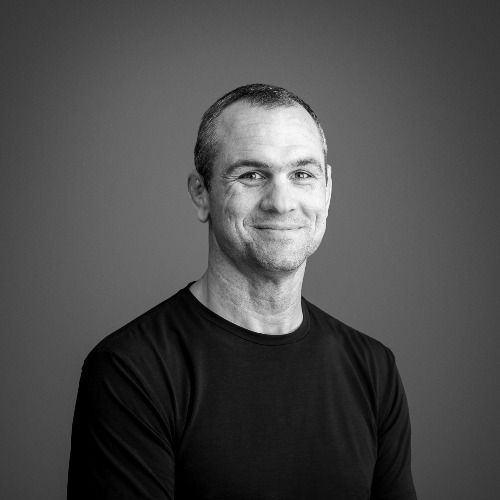
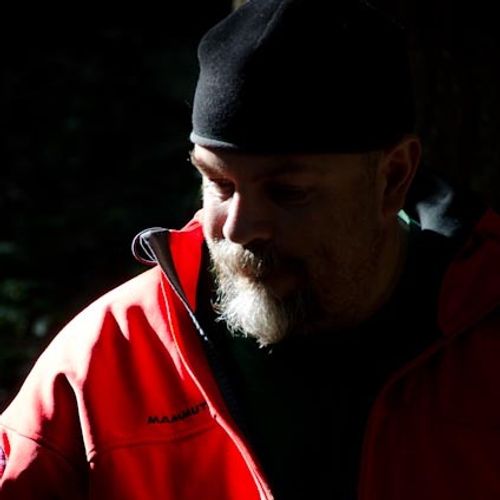
Sara (Mills) Kerr is a firefighter with Fire and Rescue New South Wales and a PhD candidate at the University of Newcastle, researching the trustworthiness of AI-generated information in disaster and emergency management decision-making. Before the fire service, she worked as an e-commerce data analyst, until Australia's 2019/2020 Black Summer bushfires redirected her path. Instead of returning to her normal work, she entered the Emergency Services Academy.
Harry and Sara talk about what fourteen weeks at the Academy built in her, and what it didn't. They get into why "overthinking" is often mislabeled: vigilance is a protective mechanism, not a weakness, and only becomes a problem when it overwhelms rather than informs.
That gap between training and readiness eventually pointed Sara toward research into AI and disaster management, and eventually the PhD. AI, in her framing, is a cognitive aid that should enhance operator judgment, never replace it. She's also recruiting participants for that research - anyone using AI operationally in Australian disaster and emergency management, frontline or otherwise is invited to reach out to Harry for a connection: harry@missioncti.com.
Their conversation also covered how why diversity strengthens a team's shared operating picture, and Sara walks through her Inner Command framework she built out of her own early struggles and the framework's 5 C's: Calm, Control, Competence, Confidence, Courage.
Advice for Monday: weaponize your vigilance, and give yourself credit for what you do well.
If you found value in this discussion, the best way to support our work and stay up to date on future episodes is to subscribe and leave us a quick rating or review. It helps us reach more people who need to hear these conversations.
Transcript
Welcome to the Teamcast.
2
:I'm Dr.
3
:Preston Cline, director of the
Mission Critical Team Institute.
4
:Here, we discuss all things
mission critical teams.
5
:These are teams of four to 12 people
indigenously trained and educated to
6
:solve rapidly emerging complex adaptive
problem sets where the consequence of
7
:failure is death or catastrophic loss.
8
:With my colleagues and our guests,
we bring you insights from combat
9
:zones to emergency rooms, dedicated to
improving the success, survivability,
10
:and sustainability of these teams.
11
:We grapple with how to prepare for
future events and how to develop
12
:language and frameworks to transfer
critical, often unspoken, knowledge.
13
:Whether you're on a mission critical
team or not, we aim to bring you
14
:the broadest range of topics and
guests as possible to help prepare
15
:you to perform when it matters most.
16
:Thank you for joining us, and
hope you enjoy the Teamcast.
17
:Harry Moffitt: G'day.
18
:Welcome to the Teamcast.
19
:I'm Harry Moffitt.
20
:Today I'm joined by
firefighter Sara Mills.
21
:Over the summer of 2019/2020,
South East Australia experienced
22
:one of its worst bushfires ever,
the Black Summer bushfires.
23
:Sara, an e-commerce data analyst
at the time, decided to go down
24
:to the district and volunteer.
25
:Her experience profoundly shifted
her sense of purpose and what
26
:she wanted to do with her life.
27
:With an athletic background, she was
well-positioned for her now career as
28
:a fire officer with Fire and Rescue
New South Wales here in Australia.
29
:The contrast between e-commerce
decision-making and the decisions
30
:required in the chaos and complexity
of fighting fires recently inspired
31
:her current PhD in disaster
management and the trustworthiness
32
:of AI-generated information in
operational decision-making.
33
:She also shares with us her personal
inner command framework, which she
34
:thinks addresses the shortfall in
cognitive preparation of new operators
35
:and their propensity to go into these
chaotic and complex environments.
36
:Sara Mills, thanks very much
for joining us on the Mission
37
:Critical Team Institute Teamcast.
38
:Sara Kerr: Thank you, Harry.
39
:Much appreciated.
40
:Thanks for having me.
41
:Harry Moffitt: No problems at all.
42
:And, just For our audience, where
are you Zooming in from today?
43
:Sara Kerr: So today I am in
sunny Newcastle two hours
44
:north of Sydney, in, Australia.
45
:Harry Moffitt: New South
Wales on the east coast.
46
:Sara Kerr: God's country.
47
:Harry Moffitt: Beautiful spot up there.
48
:Big surf and big sand dunes too,
which, is a whole other discussion.
49
:I love sand dunes-
50
:and I reckon you would too, get out and,
um, in the sand dunes and run about.
51
:So thanks for joining us today.
52
:W- I'm going to ask you to give us,
from an operator's perspective, an
53
:introduction into who you are
and what you're doing currently.
54
:Sara Kerr: Yeah, absolutely.
55
:So I was born in South Africa.
56
:And, my mother was born in, Zimbabwe.
57
:And we immigrated to Australia
when I was eight years old.
58
:I grew up in Sydney.
59
:And very active kid, always
involved in pretty much any sport
60
:that would get me out of math
class pretty much in high school.
61
:and had great success in, swimming
at a state level, and then, competed
62
:in, mountain biking and cycling
and had, great success, nationally
63
:and internationally with cycling.
64
:Went to uni in Sydney.
65
:Started out my career as a, product
manager for a, e-commerce business.
66
:Australian business but
based in North America.
67
:And, then joined the fire brigade
when I was 24, so bit of a midlife
68
:crisis or quarter life crisis
69
:. Harry Moffitt: How did you find
the fire brigade out of e-commerce?
70
:Sara Kerr: Yeah, definitely
a, a bit of a career change.
71
:So 2019, 2020, worst bushfires
that Australia's seen in
72
:decades, swept through, down in
Victoria and New South Wales.
73
:Around about that time, I started
to, date a, a bloke from Wollongong.
74
:And, part of our second date, he
actually said to me, "Hey, do you
75
:wanna go down and volunteer on the
South Coast to go do some cleanup on
76
:the, down on the South Coast there?
77
:And, a couple of my tradie mates are
there, and yeah, we're gonna go pick up.
78
:Do you wanna come?"
79
:And I thought, "Oh, that's a
really unique second date idea."
80
:So we, we went down and, that was Just
the most transformative experience.
81
:It was- A community-
82
:Harry Moffitt: Yeah … these are the
big fires in Australia- Yeah … that,
83
:could be seen globally, that had impacts-
84
:Sara Kerr: Oh, that's correct.
85
:And, there was a little town
called Cobargo down south, and
86
:that town was hit particularly bad.
87
:And yeah, you could see it from space,
the smoke, and there were reports
88
:of embers flying into New Zealand.
89
:It was just, it was catastrophic,
like millions and millions of
90
:animals, homes, hectares of land.
91
:It was just horrific.
92
:We went down in there
and we did some cleanup.
93
:For a community that had lost
everything, it was nothing but just
94
:sheer humanity that was present in that.
95
:These people had lost everything,
and for us as volunteers, they were
96
:making us tea and sandwiches and
saying, "Thank you for helping us."
97
:I witnessed so many people wearing
different uniforms just working
98
:together to get these people, some
relief in some way, shape, or form.
99
:And it fundamentally changed
what I wanted to do with my life.
100
:I was very physically fit and active
and figured that I could sit behind
101
:a desk when I'm older, but while
I'm young, I could contribute to
102
:something a bit bigger than myself.
103
:I intended to go as a bit
of a unique second date.
104
:By the way, we're married now.
105
:Harry Moffitt: Wow.
106
:Sara Kerr: Um, it was the turning point
for what I wanted to do with my life.
107
:I went home and reflected on that
and had a couple of mates who were
108
:firies and, applied that year and
was successful in my, attempt.
109
:And two years later, I walked through the
doors of the Emergency Services Academy.
110
:So yeah.
111
:Harry Moffitt: what was your
experience like at the academy?
112
:Sara Kerr: So, I had no exposure or
kind of context into, the world of
113
:what emergency and disaster management,
entails, apart from a surface level of
114
:you go on a truck to some fires and put
them out, and maybe rescue a cat or two.
115
:It was a big shift.
116
:I was very aware of what the
consequences or risks were that we
117
:were going into, but nothing can truly
prepare you for the job mentally.
118
:Physically, though, the college does.
119
:So the college, Fire and Rescue New
South Wales, which is the, urban
120
:firefighting service for New South
Wales in Australia, is based in Western
121
:Sydney in a place called Orchard Hills.
122
:It's this incredible facility.
123
:It's got some incredible
props that we train on.
124
:It's got a service station to practice
service station fires and aircraft.
125
:We've got an urban search
and rescue platform.
126
:So this facility you go in for 14
weeks, and they teach you everything
127
:you need to know from how to put on
your turnout gear and your boots, to
128
:attacking a high-rise fire, and all
the way through to, cutting up cars.
129
:It's a very base level and
physical course that you undertake,
130
:and you are part of a class.
131
:Once you finish that course you
get given your station number, and,
132
:pretty much anywhere from the next
day to 36 hours you're at your new
133
:station, your new family, and you're,
technically a firefighter after 14
134
:weeks at the Emergency Services Academy.
135
:Harry Moffitt: And did you feel ready?
136
:Did you feel ready to-
137
:Sara Kerr: Oh, yeah
138
:… Harry Moffitt: to go and meet the world?
139
:Sara Kerr: Yeah.
140
:Physically I did.
141
:Like your skills are sharp.
142
:You drill until you've got
blisters on your hands.
143
:They make you work so hard
there, and it's, quite in-depth
144
:process for how to do the job.
145
:When I left, my head was
filled with knowledge, right?
146
:But it was also overflowing with
how to do things right, and you
147
:get told when you leave, "Right.
148
:We've taught you everything you
need to know, but now you're gonna
149
:go to station and you gotta apply it.
150
:And your learning doesn't stop, so
you have to remember that what you
151
:learn doesn't, or what you, your
learning doesn't stop when you walk
152
:through the, the doors of the station.
153
:It actually continues on and
starts again in another way.
154
:You've got a baseline
and you go from there."
155
:Harry Moffitt: Is that
something they tell you?
156
:Is that something that's
in the conversations that,
157
:you're always learning?
158
:Or is it just turn up
and get on with the job?
159
:Sara Kerr: We've got a shift in
culture, and a shift in generation.
160
:We've got some firefighters who have some
incredible legacy, to their name, and
161
:then you've got emerging firies who are
keen and eager and wanna progress the job.
162
:And it's a fine balance
between, organizational legacy
163
:and pushing the job forward.
164
:But for the most part, yeah, we're
definitely encouraged to continue
165
:our learning and there's pathways for
us to progress in the fire brigade.
166
:To pursue that you can go through to
pursue a rescue qualification or a,
167
:or as I did, a hazmat qualification.
168
:There's so many different ways you can go
based on your interest and your learning.
169
:Harry Moffitt: So how long
have you been serving now?
170
:Sara Kerr: Yeah, so just under
five years now, in this job.
171
:Harry Moffitt: Any lessons for a younger
Sara coming through, or any reflections?
172
:Sara Kerr: Yeah, I Talked a lot about
your physical readiness at the college.
173
:And one thing they do really well
in the job is train you as you are.
174
:You come as you are, and they train you
as you are to physically do the job.
175
:But I feel something that's
definitely forgotten is context
176
:of knowledge application.
177
:And what I mean by that is there's not
a lot of recognition that everyone's
178
:psychological capacity is different, or
their cognitive capacity is different
179
:when they walk through the door.
180
:So you can have someone who comes
from a trade, and then you can have
181
:someone who's been a school teacher,
and the way that they cognitively
182
:process things is different.
183
:And for me, what I must say I found
rather challenging was turning
184
:physical performance at a drill
level or at a safe or training
185
:level into practical performance
when it came to the fire ground.
186
:I found myself getting quite overwhelmed
quite quickly by the information volume,
187
:the expectations of your tasking, and- One
thing that I really struggled with in this
188
:job was being told to stop overthinking.
189
:When you're new, that's like
being told to stop breathing.
190
:You're trying so hard to be a good
member of the crew, and- I found
191
:it quite challenging to unlock what
I knew from a baseline training
192
:perspective, and it was a massive
blow to my confidence early on, right?
193
:I found myself, not freezing,
but more so just being unable to
194
:do things at the high level of
competence that I could in training.
195
:And it was incredibly, difficult for me
as an operator to prove myself, and in
196
:that manner being a, a good crew member.
197
:And I think that one, one thing I'd
like to say to myself, or any young
198
:firey going in there, is that your
mental readiness matters just as
199
:much as your physical readiness.
200
:And for any trainers, or people going into
a training capacity, particularly for new
201
:recruits, it's teaching them or giving
them the skills they need to cognitively
202
:cope on the fire ground as well.
203
:I think that resilience is a
missing link for career endurance.
204
:I think we have a lot of operators that
experience burnout far faster than they
205
:otherwise would have if they trained
cognitive readiness just as much as
206
:physical readiness at a recruit level.
207
:At least the tools on how
to remain calm and composed.
208
:That's not taught.
209
:It's just expected that you
figure it out on your own.
210
:And it's almost taboo to talk about,
saying "Hey, I'm struggling with this a
211
:little bit," or, "I'm, finding it very
difficult to access this information."
212
:It's more so a case of you either have it
or you don't, and I disagree with that.
213
:It's a learned skill, right?
214
:To remain calm under pressure.
215
:Harry Moffitt: Definitely.
216
:Yeah.
217
:Yeah.
218
:I imagine Coming from
a corporate background.
219
:You summed it up perfectly with the
teacher versus someone from the land,
220
:for example, and there's a lot of tacit
knowledge that we talk a lot about on
221
:the Teamcast, and in this community.
222
:The, the…
223
:Something struck me there.
224
:You said, And I hear it in
my psychology practice now.
225
:I hear people at times
saying, "Oh, someone told me
226
:I need to stop overthinking."
227
:Or people will self-diagnose
and say, "I overthink too much."
228
:Mm.
229
:And I'm Kind of confused on what
that actually means, you know?
230
:So the observed behavior might be not
being able to slow down enough to make
231
:a decision and think your way through
something, maybe rushing and relying on
232
:competence, on technical- … expertise.
233
:And then by the time you realize
that you're- not, you've made a
234
:mistake or that you're not going in
the right direction, it's too late.
235
:You've already committed or you
do- Yeah … you're down that
236
:rabbit hole- Yeah … already.
237
:And as an instructor or someone might
be looking at that and going, "Oh,
238
:you're thinking too deeply," or, "You're
thinking too much," or, "Overthinking."
239
:And that's…
240
:if I'm a young recruit, I'm
going, "What does that mean?"
241
:Yeah, 100%.
242
:I don't know if no one, no one…
243
:Does anyone even know
what thinking is anyway?
244
:But, uh, but it, it's
very hard, and that's…
245
:that's at the core of what you're
interested in now, isn't it?
246
:Sara Kerr: Yeah
247
:Harry Moffitt: that gap of, what,
how do you then, how do you prepare
248
:someone who needs to o- not only
have the technical competency and
249
:mastery physically, but also how do
you apply that under high pressure?
250
:Is that where you're going with that?
251
:Sara Kerr: Yeah.
252
:We often treat overthinking
like it's a bad thing.
253
:Overthinking is not a bad thing.
254
:Being unable to control
overthinking is a bad thing.
255
:Yeah.
256
:And that concept of control is
so important to address because
257
:ultimately what we are in control
of as operators is ourselves.
258
:You know, control gets thrown
around a lot in the fire brigade.
259
:We've got incident control, we've got fire
control, but truly we only influence that.
260
:We don't have control.
261
:We can only control ourselves.
262
:And so when we are in a
adrenaline-rushed, high-stakes
263
:situation, overthinking is protection.
264
:It's being very vigilant to what's around
you, and again, it's not a bad thing.
265
:It's just informing your operational
picture, or what you can control.
266
:It's trying to identify and keep you safe.
267
:What is not good is when it paralyzes you.
268
:And when you're new, you
don't have context, you don't
269
:understand how to regulate that.
270
:And I'm very passionate about being
able to center yourself again.
271
:I had to learn that the hard way,
and I had to learn it by myself.
272
:I picked up little bits and pieces
of knowledge, but I was so aware of
273
:being a good member of my crew that I
didn't want my, overthinking, or as I
274
:call it vigilance, being in control.
275
:And I had a phenomenal SO,
276
:Harry Moffitt: SO?
277
:Sara Kerr: Yeah, station officer, sorry.
278
:In Sydney.
279
:And I had a really bad, suppose
self-confidence incident, where I was
280
:driving the truck and I sideswiped
a car, on the way to a house fire,
281
:and it was quite a big house fire.
282
:And that rattled me a bit, and he
afterwards, just said to me, "Hey,
283
:have you tried box breathing?"
284
:And I was a little bit
frustrated with him.
285
:I said, "Oh, thanks.
286
:I'll look into it."
287
:It was…
288
:I felt it was just a bit of
tokenism, like a token sympathy.
289
:But looking into it, it was
a form of self-regulation.
290
:And box breathing is where you breathe
in and you hold your breath for three
291
:or four seconds, and then you breathe
out again, and you repeat it in a
292
:three, three, three, or four, four,
four, depending on, what you like.
293
:But that was a start for me to investigate
how to center myself, and i'm 29.
294
:Um, 24 years old is quite
young to go into the service.
295
:I think our average recruit
age is about 30, mid- mid 30s.
296
:So yeah, to come in from that from
no context, on how to regulate,
297
:and just being expected to
figure it out was a challenge.
298
:And that's definitely shaped my
interest into input influences,
299
:and what the operator can truly
control, and what's useful input
300
:and what is ultimately, just noise.
301
:Harry Moffitt: Are there any kind of
self-regulatory, practices in the training
302
:now, or is this something that you
are inspired to change in the culture?
303
:Sara Kerr: Not to my knowledge.
304
:If it is, it's done very
informally and through your crew.
305
:Yeah.
306
:Ad hoc yeah.
307
:Yeah.
308
:To my knowledge, there's nothing formal.
309
:There's some firefighters doing some
excellent work in the cognitive space.
310
:Sam Monahan is one of them in our brigade.
311
:And there's not really anything that's
targeted or structured- Okay … in,
312
:in the mental capacity thing.
313
:And yeah, I would love to see it changed,
at a recruit level because I think, like
314
:I said, you have a lot of career endurance
that can prosper from a bit of cognitive
315
:training and a bit of cognitive composure.
316
:Just being like, "Right, you're
gonna go to an incident, and you
317
:are going to hear everything.
318
:You're gonna see everything.
319
:You're gonna be completely overwhelmed,
people are gonna be running and screaming
320
:and the house is on fire, and people are
yelling at you for water, people yelling
321
:at you to save something or someone."
322
:Just take a second.
323
:And that second is gonna give you
the ability to tap into, what you
324
:can ultimately do in that situation.
325
:Grab the hose, put water on it.
326
:It's very chaotic.
327
:But in chaos, the number one thing that
grounds me is just to take a breath.
328
:And I started to develop a bit of my own
mental framework just to ground myself.
329
:It's very Messy, and it's not
really anything that I bring
330
:out beyond, my own regulation.
331
:But I kinda dubbed it five Cs,
or my inner command, if you will.
332
:Harry Moffitt: Yeah, the inner command.
333
:That, that's where we met.
334
:You presented at the Mission Critical
Team Institute summit in Sydney
335
:last year, and blew the room away.-
336
:It Sara Won't admit to it, but, it
was a awesome presentation and people
337
:are still talking about it today.
338
:But yeah, I, I'd love for you to , give
a short run-up of the academic journey
339
:to that- Yeah … kinda got you there
and where do you find yourself now?
340
:Sara Kerr: Yeah, so Academic journey.
341
:I had a great career entry
into the fire brigade.
342
:I started out my career at Cabramatta Fire
Station, in Sydney's southwest, very busy.
343
:And then went to St.
344
:Marys Fire Station in Sydney's west
as well, and that was also very busy.
345
:And got very curious about the
technology that we were using.
346
:So as I mentioned prior, my, my
background was in product management, a
347
:little bit of e-commerce, and had some
interest in the predictive data side.
348
:In my undergrad did some work with,
predictive forecasting or predictive
349
:tech, which is now, as we know,
AI- Yep … and machine learning.
350
:But it was called something
a bit different back then.
351
:Yep.
352
:So I found it very interesting, with what
was happening in America with technology,
353
:but also, what Australia was doing.
354
:Like we've got some incredible
capabilities with drones.
355
:And so I started to go down a bit of a
rabbit hole of what in this job interested
356
:me and where I could kinda take a bit of
my skillset outside of just putting water
357
:on fire, to actually contribute or suppose
build a bit of a professional skillset.
358
:So about three years or five years
after the bushfires, I went back
359
:down to Cobargo on a holiday.
360
:Town hadn't recovered.
361
:It was just floored.
362
:The economic losses, buildings
were still, burnt, burnt down.
363
:Nothing had really changed.
364
:Wow.
365
:And I got quite, upset by that.
366
:Yeah … just like
community still suffering.
367
:And so I started to think, "Right,
what can I do from a Professional
368
:perspective-- 'cause this town
is why I joined the job--.
369
:What else can I do?
370
:So there was an incredible, organization
in Australia called ATSE, the Australian
371
:Institute of Technological Sciences
and Engineering, and they were offering
372
:scholarships for women in STEM.
373
:And so I, had a bit of a background
as a technologist, so I put it
374
:together a proposal, and this
is around about the time AI was
375
:really starting to become the hype.
376
:This was about three years ago.
377
:I put together a proposal about,
leveraging AI for disaster management,
378
:which was what we were doing.
379
:And I saw AI at a surface level
with deployments with floods.
380
:We were using ArcGIS.
381
:long story short, I wrote this application
and was successful for a scholarship.
382
:They were very interested in what I
wanted to do, which was leveraging
383
:the artificial intelligence side
and I have started my research.
384
:So I'm a year in now into my
PhD through the University of
385
:Newcastle, and, my research sits
more so on that influence side.
386
:I talked about influence factors or
input factors into decision-making.
387
:Artificial intelligence is just another
influence factor or an input factor
388
:into our operational decision-making.
389
:It doesn't automate our decision-making.
390
:It doesn't change the way we do our job.
391
:All it does is provides information
input and information influence.
392
:And for those of you who aren't aware,
Australia has got the lowest level
393
:of trust in AI in the Western world.
394
:I think we're very technology-afraid
in Australia, and, good reason.
395
:We've had robodebt.
396
:We've had the Optus outage, the
Medibank care breach, and most
397
:recently now the Telstra outage
with the triple zero implications.
398
:So Australians are very mistrusting
of, innovative technology.
399
:And in our world, particularly in disaster
management and, emergency management,
400
:even in military, trust is currency.
401
:Trust is an enabler of
many powerful things.
402
:It enables justified risk-taking.
403
:It is a calibrator of, willing reliance.
404
:And so we can't have a technology that
is probabilistic and predictive and
405
:that has immense potential to influence
our decision-making without trust.
406
:AI is incredible.
407
:It has, an array of characteristics
that make it powerful in environments
408
:that are information-rich.
409
:But it is also unpredictable, and it is
also still so new in what we actually,
410
:are trying to bring into our realm.
411
:And so trust is a key theme
in all of the research.
412
:And so what I am looking at doing
is using or trying to understand
413
:what trust in AI actually is.
414
:Trust is very hard to measure.
415
:It's a human construct.
416
:It's not a technological, it's
not a technological construct.
417
:So- How can you build trustworthy AI
if we can't define what trust is in it?
418
:Harry Moffitt: We've
almost anthropomorphized AI
419
:Sara Kerr: 100%
420
:… Harry Moffitt: like we do with
everything that we don't understand.
421
:And so it's f- it's a funny
concept to say how do we trust AI?
422
:Well, as much as you trust a tree.
423
:Is it the wrong way to
look at it like that?
424
:Sara Kerr: So a really nice way to
summarize it is that trust is the
425
:willingness to accept vulnerability
to the actions of another party.
426
:And one of the benefits is,
reduced monitoring and control.
427
:And I quite like that because what
trust ultimately is, is it's a judgment.
428
:It's a calibration of what we dub
as trustworthiness indicators.
429
:And when we look for, trustworthiness
indicators, we are assessing a, concept
430
:or a piece of information, or in this
case technology against factors such
431
:as ability, benevolence, and integrity.
432
:Now, one thing that really is
important with trust, is to
433
:differentiate it from reliance.
434
:Reliance is the observable behavioral
outcome of engaging with something,
435
:but you can rely and not trust.
436
:Yeah.
437
:Trust is the psychological mechanism that
determines or calibrates the conditions
438
:under which that reliance occurs.
439
:Yeah.
440
:So I dub it willing reliance.
441
:If we find something
trustworthy, we willingly rely on
442
:it.
443
:This is where it gets really interesting
because what we've done is we've
444
:built immense controls and guardrails
and assurance frameworks around AI.
445
:And the statements are that this will
guarantee trust or this will create trust.
446
:It's completely contradictory
to the definition.
447
:If trust is the willingness to
be vulnerable and the outcome of
448
:that is reduced monitoring and
control, you haven't created trust.
449
:Harry Moffitt: Yeah.
450
:Sara Kerr: You've just
basically put trust in a cage.
451
:Harry Moffitt: It isn't
trust in that context.
452
:It's, trust is misplaced
453
:Sara Kerr: Correct
454
:Harry Moffitt: We can rely on it or, or
find it more or less truthful, But, I
455
:feel like a mug if I have trust in, AI.
456
:Yes.
457
:Particularly given its
emotional, intuitive nature.
458
:Correct.
459
:That's something that tr- AI or machines,
AI's just another machine, can never have.
460
:That's where it separates.
461
:Sara Kerr: 100%.
462
:100%.
463
:And you've really hit the nail on
the head there because ultimately
464
:what defines trust is the operator.
465
:So if we want to realize the benefits
of AI, we must have components
466
:of trustworthiness in the system.
467
:Trustworthiness allows us
to take or justify risk.
468
:It enables, building of propensity, it
enables innovation, it justifies reliance.
469
:And why trust is so important,
particularly calibrating or using trust as
470
:a calibration metric, is because it tells
us when the operator needs safeguards.
471
:So if you want to realize the
benefits of AI, if you understand the
472
:trustworthiness indicators from the
operator's perspective, you can give
473
:them the safeguards they need to rely.
474
:But then you can also understand where
potentially trust may be misguided.
475
:Now, trust is not purely
a positive term, right?
476
:You can have complete blind trust,
and that's lack of- accountability
477
:and complacency, and that's not
great, and we see that a lot with
478
:AI, where it hallucinates or it
creates confidently wrong input.
479
:And humans, we like certainty.
480
:We don't like uncertainty.
481
:We love being certain.
482
:So AI- Yeah … offers
that certainty bridge.
483
:And in environments such as, disaster and
emergency management, military, we can't
484
:have trust in a system that says, "By the
way, this is 100% correct," or, "By the
485
:way, do this action, and it's so certain",
because that's a loss of accountability.
486
:So understanding what the practitioners
need to see from the AI information or
487
:AI-generated information is very critical.
488
:You can identify what policy documents
you need, or what safeguards need to be
489
:built in the systems technologically.
490
:But then you also give it room for us
to experiment with it, and that's where
491
:we're stuck at the moment, particularly
in Australia, is we have systems and these
492
:very intelligent people that are working
on these incredibly complex systems that
493
:have immense humanitarian potential and
operators' cognitive support potential.
494
:But they don't translate into the real
world, and that is a governance problem.
495
:People are framing AI governance as
compliance, and again- what is trust?
496
:Trust is not control.
497
:Governance is an enabler.
498
:But the metric to enable AI to
go into operational realities
499
:is through the operator.
500
:It's understanding what they need to see.
501
:Because again, who's accountable?
502
:The operator.
503
:Regardless of what is influencing
their decision, they're accountable.
504
:So give the control back to the
operator, and let's understand
505
:what trustworthiness means to them.
506
:Ultimately I'm trying to identify
what trustworthiness in AI looks
507
:like and what we need to give the
operators from a safeguard perspective,
508
:but also a, measured risk-taking
perspective to realize the benefits
509
:of AI and enable and inform the
governance so that, organizations
510
:can have confidence to experiment.
511
:Early days still.
512
:Harry Moffitt: Is it, um, is it as simple
as saying, you know, it's just another
513
:bit of capability and it might be hugely
complex and hard to understand, we're not
514
:quite there yet, but it's just another
capability that we bring to bear at the
515
:scene that you're trying to operate in?
516
:Sara Kerr: I would be careful
with that because what AI
517
:does is it is probabilistic.
518
:So it takes historical information
and data and will statistically
519
:generate what is most probably the
correct- … or the next outcome of that.
520
:So AI is only as good
as the data you feed it.
521
:So I would be careful saying
it's just another capability,
522
:because it is different to what
we've had previously- Right
523
:In that regard.
524
:So that's why it's important to understand
what we do trust it with or what taskings
525
:we do give it, and what we don't give it.
526
:Ultimately I would reframe it
more so as a cognitive aid.
527
:It should never replace the human.
528
:It only should enhance our cognitive
judgment or help us structure it.
529
:Harry Moffitt: How far away are
we from seeing, drones flying
530
:around, putting out forest fires
and, unmanned, vehicles, et cetera?
531
:Sara Kerr: Oh, they exist.
532
:I'd say America's way more
ahead of us in this capacity.
533
:Australia does have drone capacity,
fire and rescue in particular.
534
:I think in the last month, drones
deployed by fire and rescue using, a
535
:mix of AI and thermal detection have
found lost bushwalkers, in a search and
536
:rescue capacity, which is incredible.
537
:We're seeing AI a lot in mapping
and computer vision, But I'd say
538
:from the autonomous side, it's
very much trial at this point.
539
:One thing I'd just be conscious of is
even though the technology is so cool,
540
:and I think it's incredible, not everyone
feels the same in the fire service.
541
:There's a misguided fear
that it's gonna take my job.
542
:It's not gonna take your job.
543
:These are gonna enhance your capabilities.
544
:One thing autonomous or unmanned vehicles
can do well, is remove unnecessary risk.
545
:They can protect lives.
546
:What's the first way to
protect the operator?
547
:Eliminate the need for exposure.
548
:So again, healthy risk-taking.
549
:What can we commit into a fire or into
a risky zone to protect the operator?
550
:Harry Moffitt: So, how far are
you along the PhD at the moment?
551
:Where are you at?
552
:Sara Kerr: So I'm a year in
now, as of today actually.
553
:And I'm just waiting for ethics to be
approved so I can start capturing my data.
554
:I'm interested in understanding
perspectives and perceptions
555
:of active AI use in Australian
disaster and emergency management.
556
:So if anyone is using AI operationally,
doesn't have to be in a frontline
557
:capacity, can be in a backend capacity
as well, or even in trial capacity, I'd
558
:love to chat to you, understand what
you wanna see for it to be realized.
559
:Harry Moffitt: We'll put something
in the notes, and of course, with
560
:the Mission Critical team community
globally, we're happy to review
561
:and then share, data collection.
562
:There's a lot of people doing
research globally, but we try and
563
:keep it as local as we can so we'll
assist as much as possible there.
564
:Now coming Back to the
presentation last year.
565
:You presented this inner command
framework that you mentioned earlier.
566
:Something you've built for yourself
and then, shared with us at the summit.
567
:Talk to us about the inner command
model and what it's trying to do.
568
:It's kind of the human aspect balancing
the aI kind of thing, uh, that the-
569
:Sara Kerr: It is, it is.
570
:It is.
571
:It's, um…
572
:we are first responders,
not first reactors.
573
:I think that was something that
came away from a time in reflection.
574
:We're first responders,
not first reactors.
575
:And so carrying on from that,
when you're presented with a
576
:confronting situation, it's important
for you to respond, not react.
577
:Responding is taking responsibility for
how you engage in what's around you.
578
:Reacting is emotional,
irrational, highly, erratic.
579
:So again, for me, I found that the
structure that worked for me is go back
580
:to what matters most in this environment.
581
:And I had a fiery who was an
ex-paramedic, and she said something
582
:to me that stuck with me, and
that is, "Calm is contagious."
583
:And I thought about that again
and again, and again, and again.
584
:And so I started to go back to calm.
585
:Calm re-centers you.
586
:It allows you to regain your
composure and focuses your attention.
587
:So in my inner command
framework, the first C is calm.
588
:That's the first step.
589
:Harry Moffitt: And did you say five Cs?
590
:The five Cs?
591
:Sara Kerr: Yeah, five Cs.
592
:Yep.
593
:Five Cs or inner command.
594
:This will evolve as I go, right?
595
:So Calm Is the anchor.
596
:Once you have calm, you then are
aware of what you can Control,
597
:which is ultimately yourself.
598
:You can direct yourself.
599
:And once you do that, you have
clearer thinking, and clearer
600
:thinking can unlock action.
601
:You have the physical skills
and the technical skills, right?
602
:Far too often though we can't
access them because of the noise.
603
:We're overwhelmed.
604
:So when you have Control, then
you can access your Competence.
605
:Training gives you the skill, so
the competence, but control lets
606
:you access it under pressure.
607
:After you have competence,
you have Confidence.
608
:And confidence executed, so
executed competence gives you or
609
:builds grounded confidence and
flow, and that comes with time.
610
:And once you have your confidence
and it continues to build,
611
:you can have a lot of Courage.
612
:You can have the ability to undertake
feats that you never knew you were capable
613
:of because you have the confidence to
trust your training, but only because you
614
:can access your training 'cause you're in
control, and that comes back down to calm.
615
:So many people say to me, In a stressful
situation, "You didn't cause that."
616
:It's like, "Thanks.
617
:I know I didn't cause it, right?
618
:I'm trying to make it better."
619
:Yeah.
620
:But the problem is that there's so
many pieces to this puzzle that,
621
:you know, we gotta access it.
622
:So I find a lot of the time it
just comes back down to taking a
623
:breath, looking at the situation.
624
:And calm doesn't mean
sitting there in a Zen pose.
625
:It could literally just be
like, "Right- Take a second.
626
:What do I need to do now?"
627
:That's control, then you go.
628
:It's almost like a mantra before
you step onto that fire ground.
629
:For me, I just take a breath
and go, "You got this."
630
:It's just one step after the other,
but, the first step starts with calm.
631
:We can ultimately only control
ourselves, and everything
632
:else will follow after that.
633
:Harry Moffitt: And in training, sometimes
we bake that in with outcomes focus and-
634
:Sara Kerr: Yes
635
:… Harry Moffitt: performance focus.
636
:Whether you are 9 out of
10 or 6 out of 10- Oh, yeah
637
:or whether I'm keeping up with
the operator next to me, or am
638
:I impressing the instructor?
639
:Sara Kerr: Yes.
640
:Harry Moffitt: And often the loudest,
biggest, bully-ish instructor's-
641
:the one most people want to impress.
642
:It's a psychological, human want
and desire to impress people.
643
:I remember back from my instructor
days, thinking that a lot of
644
:candidates or some, operators,
they're so bent up, so stressed
645
:out that they're barely breathing.
646
:They're hold, running
around holding their breath.
647
:Yeah.
648
:You, because you can hear them
especially with gas masks on, et cetera.
649
:Sara Kerr: Yeah.
650
:Harry Moffitt: You can hear them, and
they seem to be, just simple things
651
:like, one operator I remember wrote
"breathe" on his foregrip gloves.
652
:Sara Kerr: Yeah
653
:… Harry Moffitt: and it
was there in his sights.
654
:And I'm a big fan of the
physiological side too.
655
:Just take a deep breath, mouthful
of water when you first rock
656
:up to a scene or where you can.
657
:There are times of course, when
you need to get on your horse
658
:and just get in amongst it.
659
:And, that takes experience.
660
:Sara Kerr: You're spot on there,
and I think a lot of good operators
661
:get slapped with a reputation before
they've even started, and it's purely
662
:because they wanna do well, but the
performance anxiety gets a hold of
663
:them before they've even started.
664
:Harry Moffitt: Something we've
been talking a lot about behind
665
:the scenes is rate of learning.
666
:And, and-
667
:Sara Kerr: Yeah
668
:… Harry Moffitt: what is that?
669
:So there's A common ground between the
organization and the capability, if you
670
:like, or the operator need, has a certain
rate of learning that you must fit it
671
:within a threshold of rate of learning.
672
:Because you can't be just training
everyone from, dot all the way through.
673
:You've only got 14 weeks.
674
:But there's also inside that, a
rate of learning of the operator.
675
:And the earlier you understand that
person's rate of learning, that, they
676
:can be the best operator overseas,
but they just might be coming
677
:from a completely different end.
678
:Imagine going into special operations
and you've never grown up near
679
:the sea, never been in a pool.
680
:You're not a great swimmer, and one of
the first tests you get is swimming.
681
:You can be on the back foot
right from the word go.
682
:And if Someone's grown up around a certain
kind of behavior or capability, comes
683
:back to your point about the, the school
teacher versus the farm hand, if you will.
684
:Sara Kerr: Yeah
685
:Harry Moffitt: And Rate of learning has
two- kind of scales, the individuals
686
:and allowing them to build up their
rate of learning, and then the
687
:organization will have a imperative.
688
:Sara Kerr: 100%.
689
:And I wanna touch on group think, about
that quickly because if we recruit
690
:people that just look like us and talk
like us and, have the same standards
691
:and metrics as us, ultimately we will
continue to face the same challenges
692
:that we've always faced because we're
not expanding our, influence pool, right?
693
:And you got blinders on because you
can only see what you wanna see.
694
:Um- Yeah … and it's important to
have people from different walks
695
:of life, in this job in particular.
696
:You've got somebody who's
great with technology.
697
:Okay, awesome.
698
:You may have an older firey
who's got immense experience but
699
:is so allergic to technology.
700
:You really are a sum of your skills.
701
:We come into the college, or we come
into our role, with a baseline, but we
702
:also bring with us our experiences, and
I think it's very important to recognize
703
:the strength that everyone brings
from their past life into this job.
704
:I'm a big believer that diversity
does foster innovation, but it's
705
:diversity of thought, diversity of
experience, diversity of insight,
706
:all forms your operating picture.
707
:We want that.
708
:If you look at, strategic ops through
the way, all the way to disaster
709
:management, the more intelligence
sources you have, the better operating,
710
:common operating picture you have.
711
:The same can be said from
a recruitment perspective.
712
:And we need to change that narrative
because what people bring to this
713
:job is valuable from their past life.
714
:Definitely.
715
:Teachers bring the ability to
relate to their community, and
716
:children about fire safety.
717
:That's one very basic term of it, but then
that experience can translate to teaching
718
:the next generation, being able to
communicate firefighting constructs which
719
:can be quite complex in a simple term.
720
:You've got people who've got a keen
interest, and want to go down the
721
:rabbit hole of using technology
to bridge, operations, right?
722
:You've got the tradies who are so good
on tools and can teach our firefighters
723
:how to use tools in a more efficient way.
724
:There's such a powerful lens of
past life and past experience, and
725
:it's very important that we, one,
recognize people where they're at,
726
:and two, train them technologically,
but also, from that mental capacity.
727
:And, I don't think that we should have
that one line in the sand of you must
728
:be 6 foot 6, you know, be able to bench
press 200 kilo, whatever it is, right?
729
:Those are trained skills
and learned skills, and they
730
:can be developed over time.
731
:But what cannot be developed over time
is everyone's unique experience, which
732
:fills the common operating picture.
733
:Harry Moffitt: Yeah, that's right.
734
:And you know there may be a, a need,
for, homogenous groups at times.
735
:If you're part of a Guatemalan
fiddling band, you're only gonna
736
:want people who can play the fiddle
and are a certain understanding.
737
:The kind of diversity you're
talking about is spot on and it is
738
:a dirty word out there in some…
739
:But it's not.
740
:It's…
741
:The concept's profoundly important.
742
:And one way I've heard it put by, maybe
it was by Dan Dworkis, was that if you
743
:take a man and a woman at a conference
and they walk out that night and they
744
:leave the conference, they've had a
couple of beers, and they walk out of
745
:the hotel at the conference in a new city
they've never been in, and the man turns
746
:one way down a dark street and the woman
turns another way down the dark street.
747
:Just imagine for a moment, what are
the two different perspectives of
748
:the man walking through a foreign
city, dark night, and the woman.
749
:The risk profile that they
generate inside their own
750
:thinking is completely different.
751
:Yes.
752
:And if I'm on a team-
753
:and I'm planning for risk profiles, that's
the kind of thing you're talking about.
754
:And our job, or your job, is to get
somewhere and assess risk really
755
:promptly and balance that up.
756
:And I think that's the kind of
diversity certainly that we think about.
757
:Right at the very start you said something
on about organizational legacy versus
758
:new thinking and new ways of being and
doing, and, that's of high interest to us.
759
:I'm just…
760
:I'm glad it's a conversation,
and it certainly wasn't when I
761
:was coming through the ranks.
762
:You just sucked it up and,
763
:Sara Kerr: Did what you're told.
764
:Harry Moffitt: Yeah.
765
:Did what you're told and
survive and keep up or get off.
766
:Yes.
767
:And that we lose good operators
I think- We do … with that.
768
:Something that struck me from your five Cs
presentation was this notion of heutagogy.
769
:And I've talked before on the Teamcast
about developing training intelligence.
770
:Explain to us quickly what heutagogy
is and where does it sit in the
771
:learning framework and what you
think about how that can be applied.
772
:Sara Kerr: To me, heutagogy is taking
control of your own learning in forms,
773
:manners, and structures that work for you.
774
:Not everyone's gonna learn in the
same way, in the same shape and form.
775
:A lot of what I developed from
a personal perspective with that
776
:command framework was driven by
a desire or an accountability
777
:over what I was struggling with.
778
:Heutagogy is heavily driven
through personal accountability,
779
:heavily driven by a desire to
improve and wanting to get better.
780
:And I think one of the thing that
needs to change is a culture of when
781
:someone's trying to improve themselves,
it shouldn't be met with disdain.
782
:it's not a superiority in any way.
783
:It's somebody who is trying
to be a better operator.
784
:And, without heutagogy you have a
risk of dulling your physical blade.
785
:It's like using a steak knife again
and again without sharpening it.
786
:It's going to eventually get blunt.
787
:And so heutagogy sharpens
that technical skill.
788
:In my circumstance, it was
also the cognitive skill
789
:and the cognitive composure.
790
:And I'd love to see it emphasized more
or opportunities more to go and foster or
791
:explore things that we're interested in.
792
:Harry Moffitt: Yeah, novelty and passions.
793
:Sara Kerr: Correct
794
:Harry Moffitt: and developing
curiosity, which sounds strange.
795
:But a great way to develop
curiosity is actually let people
796
:follow their own curiosities.
797
:And just to place, heutagogy in people's
understanding, a, a term everyone would've
798
:heard of is pedagogy's , and andragogy.
799
:So these are- Yeah … pedagogy's
more child learning, if you like and
800
:then andragogy's adult learning, where
it's kinda shared, and it's adaptive.
801
:But heutagogy's this…
802
:I- it's self-reliance.
803
:A guy by the name of Percy
Cerutty talked about athletes.
804
:He didn't want athletes to come along
and just did as he told them to do.
805
:He gave them all these weird-ass
ways of running, run like a tiger
806
:and growl- … while you're doing it.
807
:Observe animals running.
808
:Run on all different types of surfaces.
809
:Sand, in water, on asphalt,
and on the road, wherever.
810
:And just this broad array of experiences
so that you could learn, be curious
811
:about what helps drive your own
inner strengths and weaknesses.
812
:And I think it's, it's a term that a lot
of natural instructors or teachers have.
813
:They challenge the, the individual to
train themselves and to be self-reliant
814
:and bring out their curiosities.
815
:A lot of us can tend to fall
back into like this, do that.
816
:Like this, do that.
817
:And really you're not developing
kind of a broader approach to your
818
:own self-reliance in that case.
819
:Sara Kerr: Something you said as well,
running on different surfaces, running
820
:in different ways, different manners.
821
:We're very good at training
in a perfect world.
822
:We don't simulate when things go wrong,
and I don't think that's a great skill
823
:for operators because things go wrong
a, a lot and they go wrong often.
824
:Doesn't, not necessarily catastrophic
failure, but what are you gonna
825
:do when the hydrant's capped
when you get to a house fire?
826
:What are you gonna do when, the pump
overheats or you run out of water?
827
:What are you gonna do
when you burst a hose?
828
:So we're very good at training in a
perfect world of do this, all right, cool.
829
:And it's hang on, that's
not the real world.
830
:The real world is dynamic.
831
:And that's also why AI struggles
because the real world doesn't
832
:reflect training conditions.
833
:It's the same for like our operators.
834
:So what Percy did is also about getting
curious with being self-reliant.
835
:What can you do when things go wrong?
836
:And that's why I think it's again, really
important to understand that ultimately
837
:all you can control is yourself and to
respond to the situation, not react to it
838
:Harry Moffitt: Yeah, absolutely.
839
:There's a, a thing called generative
learning capacity, which I
840
:think- … is the kind of technical
term of what we're talking about.
841
:And some- as I said, some
people have it naturally, just
842
:like some people can run fast.
843
:I mean, I'm a natural at drinking lots of
pints of Guinness for some reason but, but
844
:it does happen naturally and that comes
from life, nature, nurture, et cetera.
845
:But it can also be trained, and a lot
of that comes back to your key, key
846
:theme, which is building trust between
the instructor or the midwife, as
847
:Socrates would say, We are midwives to
help people birth their own learning.
848
:It's a wonderful way, to look at it.
849
:Percy Cerutty I think was decades ahead
of his time, and I think in 50 years
850
:he'll still be decades ahead of his
time as the greatest coach I've come
851
:across at least, and very inspirational.
852
:he believes that one way to, Or my take
on what he believes, 'cause I haven't
853
:met him, but read, read most of what
he's written, was that we can develop
854
:curiosity and adaptive learning, or
generative learning through exposure to
855
:art and music and philosophy and history
and the arts have been lambasted or
856
:sidelined or maligned, in recent times in
our rush to become technologically- Oh.
857
:But I think everybody deep down
knows now that was a bad mistake, to
858
:have- Yeah … sidelined the arts.
859
:They play a profoundly, important role,
and I would encourage all operators
860
:to engage, in, in more of that.
861
:To finish that thought up, Percy Cerutty
didn't wanna create athletes, military
862
:or fire and rescue athletes, if you like.
863
:He wanted to create aesthetes, A-E-
Yeah … S-T-H-E-A- E-T-E, I think
864
:it is aesthetes, which are people
who can appreciate the whole of a
865
:scene rather than just the parts- Wow
866
:that they've been trained to focus on.
867
:And I think it's a- Yeah … a
wonderful thought, from Percy Cerutty.
868
:I don't think he's gonna tell
us much about fighting fires.
869
:Sara Kerr: Well-
870
:Harry Moffitt: But, certainly
broa- reading broadly is.
871
:Sara Kerr: Well, I love to draw.
872
:So for me, charcoal drawing is, or like
portrait drawing or animal drawing is
873
:something that, I started to do, just to
mentally cope, but it was also to channel
874
:or I suppose weaponize the observational
vigilance of what I saw- Yeah
875
:And to channel it into something
that was a creative outlet.
876
:And y- yeah, could not agree more
that the arts is completely underrated
877
:because again, it's a learnt skill,
and they're masters of their own
878
:craft just as much as we are of ours.
879
:Harry Moffitt: And you need to be, when
you go rock up to a scene, a complex,
880
:chaotic scene, y- you need to be at
your creative most curious best, yes.
881
:Yeah Those weak signals in the maelstrom.
882
:Yeah.
883
:And picking your way through the noise.
884
:Yeah.
885
:I'll, I'm glad to hear we're on a unity
ticket, and you can- Yeah … we can
886
:talk more about arts going forward.
887
:'Cause I get a lot of raised eyebrows
and sideways looks when I start
888
:talking about things like that.
889
:Sara, it's been awesome.
890
:Here on the Teamcast, we like to
leave people with two or three things
891
:that they can do starting Monday.
892
:From your experience, your research,
which I love seeing and hearing, being
893
:involved with young operators who are
studying, I think it's a superpower.
894
:It supercharges them in life.
895
:What are two or three tips you
might give us that have been
896
:helpful for you over your journey?
897
:Sara Kerr: Yeah.
898
:The first one is to weaponize vigilance.
899
:I've said that a lot over this
podcast, but for me it's so important
900
:to acknowledge that how you think,
particularly if are very aware of
901
:what's around you and you want to do
a good job, that being consumed by
902
:what's around you is not a weakness.
903
:It is a protective mechanism,
and it can be weaponized.
904
:It's a learned skill to channel it, to
your advantage, and it's about being
905
:curious about those information sources.
906
:Vigilance gives the operator inputs.
907
:What is not good is when
it overwhelms the operator.
908
:So a challenge to those on Monday is
when you weaponize your vigilance,
909
:ground yourself back to what you
can ultimately control from those
910
:inputs that will give you a lot of
direction for how you can structure
911
:that and use it to your advantage.
912
:And the second is to give
yourself credit for what you do.
913
:I think far too often, we get told
in a fire service all the things
914
:we do wrong, but we very rarely
actually, acknowledge what we do well.
915
:And I think it's important,
again, it's not an ego boost.
916
:It's more so a case of you do a good job,
and we're all learning, and particularly
917
:as young operators, I think we can be
very hard on ourselves, particularly
918
:when we have incredible firefighters
before us who are, just amazing operators
919
:and have so much to teach us, and
we have so much to learn from them.
920
:Just give yourself some credit
for what you actually do.
921
:It's a tough job.
922
:Harry Moffitt: Yeah, great advice.
923
:I think, it's picked up on a deep
psychological principle there, Sara.
924
:In the end, people will have over 11
points of, say data points of evidence,
925
:10 of those will be positive and
great, but you'll focus in on the one
926
:red dot- Yeah, 100% … that didn't
go so great, and then you'll forget.
927
:And one job of, particularly clinical
psychs who do go super deep on this
928
:stuff is to help people find all the
positive, great evidence, so you know,
929
:I think the message there for me when
I listen to you speak is you've got
930
:to forgive yourself for the one or two
mistakes you'll make along the way.
931
:I promise you, you'll make tons.
932
:Sara Kerr: Oh, yeah.
933
:Harry Moffitt: I've made tons along
the way and will make plenty more.
934
:So thanks so much for coming on the-
935
:Sara Kerr: Thank you, Harry
936
:. … Harry Moffitt: the Teamcast, and,
wish you all the best with the PhD.
937
:We will track it with interest.
938
:Hope to see you at a summit, soon
enough in the next couple of years.
939
:Sara Kerr: Christchurch.
940
:Christchurch, isn't it?
941
:Harry Moffitt: We're off to
Christchurch at the end of this year.
942
:Yeah.
943
:Yes, so we're, we're
pretty excited about that.
944
:Think we'll be back in Melbourne the
year after that, and then, Amazing
945
:maybe Sydney.
946
:But thank you so much for coming on.
947
:All the best.
948
:And,
949
:Sara Kerr: Thank you, Harry.
950
:Harry Moffitt: Enjoy the rest of
the research and hours studying.
951
:Preston: Thank you again for
listening to our Teamcast.
952
:If you found value in this discussion,
the best way to support our work
953
:and ensure you don't miss future
episodes is to subscribe and
954
:leave us a quick rating or review.
955
:It'll help us reach more people who
need to hear these conversations.
956
:For more on Mission Critical Team
Institute, including all of our episodes
957
:and show notes, visit missioncti.com.
958
:You can also connect with us on LinkedIn.
959
:And if you're a mission critical
team looking to learn more about
960
:our programs, reach out directly
to our Director of Operations, Ms.
961
:Janese Jackson, at janese@missioncti.com.
962
:That's J-A-N-E-S-E@missioncti.com.
963
:Until next time, thanks