S6 Ep17 The Myth of Suffering at Work
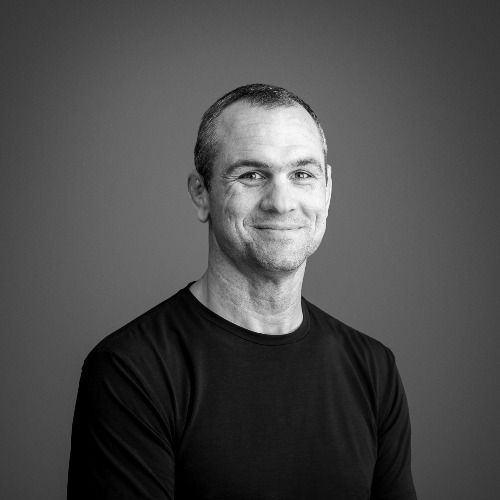
Diane Malaspina is a psychologist, performance coach, and longtime yoga teacher who specializes in stress and burnout recovery, nervous system regulation, and optimal performance. She coaches frontline medical professionals, military human performance psychologists, executives, and athletes, and has worked extensively with medical students and residents through Arena Labs.
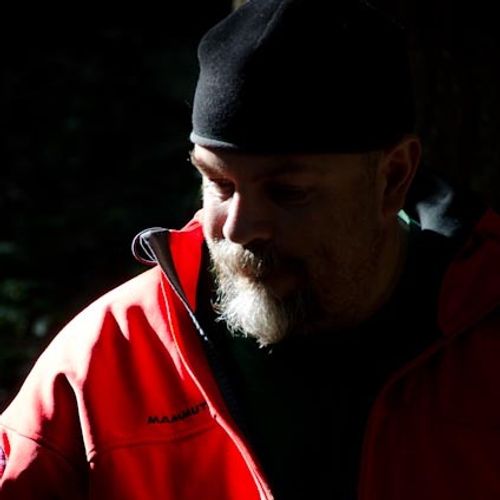
In this conversation with Dan Dworkis, Diane makes the case for a strengths-based approach to burnout: instead of asking what's broken in the 65% of people who report burnout, look at what the 35% who don't are doing right. They cover reframing stress as a challenge rather than a threat, plus two of the fastest levers for shifting your nervous system in real time—sleep and breath.
This conversation was released in partnership with The Emergency Mind Podcast and originally aired on April 27, 2026.
If this conversation was useful, subscribe and leave a quick rating or review — it helps us reach the teams that need to hear these conversations most.
Transcript
Welcome to the Teamcast.
2
:I'm Dr.
3
:Preston Cline, director of the
Mission Critical Team Institute.
4
:Here, we discuss all things
mission critical teams.
5
:These are teams of four to 12 people
indigenously trained and educated to
6
:solve rapidly emerging complex adaptive
problem sets where the consequence of
7
:failure is death or catastrophic loss.
8
:With my colleagues and our guests,
we bring you insights from combat
9
:zones to emergency rooms, dedicated to
improving the success, survivability,
10
:and sustainability of these teams.
11
:We grapple with how to prepare for
future events and how to develop
12
:language and frameworks to transfer
critical, often unspoken, knowledge.
13
:Whether you're on a mission critical
team or not, we aim to bring you
14
:the broadest range of topics and
guests as possible to help prepare
15
:you to perform when it matters most.
16
:Thank you for joining us, and
hope you enjoy the Teamcast
17
:Dan: Hi folks, I'm Dan Dworkis,
18
:Speaker: and our
19
:Dan: guest this episode
is Diane Malaspina.
20
:Now, Diane is a psychologist, a
performance coach, and a seasoned yoga
21
:teacher who's dedicated to advancing
physical and mental wellbeing.
22
:She specializes in…
23
:Okay, this is a long list.
24
:Get ready.
25
:She specializes in stress and
burnout recovery, nervous system
26
:regulation, sleep anxiety,
resilience, and optimal performance.
27
:And I met Diane as we were both doing
a project for the Orthopedic Trauma
28
:Association, and was totally struck by
the way that she was able to capture
29
:a lot of what can range from, like,
esoteric to unusable, and find a way
30
:to pr- package it into a thing that's
incredibly important and valuable
31
:around taking care of yourself as
you're operating in these spaces.
32
:So I'm totally delighted to
have Diane on the podcast.
33
:Diane, thank you for coming
to be a part of this.
34
:Diane: Hey, Dan.
35
:Thanks so much for having me.
36
:Dan: Absolutely.
37
:So can you give folks just, like, a
super high-level overview of, like,
38
:how you spend your time, and w- what
made you think along these directions?
39
:And then we'll pull and push from there.
40
:Diane: Sure.
41
:I spend the majority of my time
coaching one-on-one with individuals
42
:who wanna be great at something.
43
:Yeah.
44
:And that ranges from people who are
in frontline professions like medicine
45
:and trauma care, as well as people--
I've worked with psychologists,
46
:human performance psychologists in
the military, as well as attorneys,
47
:executives, and really athletes,
anyone who, again, wants to be great.
48
:Even parents who are just really focused
on wanting to improve their home life.
49
:And I also spend my time in workplace
settings offering seminars, workshops,
50
:executive level coaching to both
teams and individuals, and I also run
51
:some online programs for people who
want to be part of a community where
52
:these types of issues are important.
53
:And how I landed here really is
I got my degree in psychology.
54
:I went the academic route.
55
:I was a college professor.
56
:I love teaching and educating,
but my background in research
57
:was stress and resilience.
58
:And instead of looking more so at why
people don't cope well with stress and
59
:more of the mental illness model, I
really fascinated in the late:
60
:and onward into how people flourish
and overcome adversity in the face
61
:of challenge and stress, and that's
really what I'm passionate about.
62
:And I believe that everyone has
a level of potential that they're
63
:trying to get to, and there are
things in life that block us.
64
:And so working with someone like me is
about really becoming aware of what the
65
:reality is in terms of what's blocking us.
66
:Sometimes it's systemat- systemic
in terms of our environment.
67
:And there's things we can do, and
a lot of times it's things within.
68
:And when we start to cultivate a level
of presence, and that's where some
69
:of my yoga practices and mindfulness
practices come in- Um, aligning with
70
:Eastern philosophy of a simpler life
and living toward the middle path.
71
:When we connect with that and we
connect with deep down what's truly
72
:valuable to us and our goals, we tend
to find that space where we can meet
73
:the challenges that we wanna meet.
74
:Dan: I love it.
75
:I love it.
76
:Okay.
77
:So right away, you're probably already
understanding why I'm so excited to have
78
:Diane on this podcast because I, I think
this sort of strengths-based approach
79
:and positive approach as opposed to a,
"Hey, you're gonna get crushed by what's
80
:about to happen, and let's, like, put
the pieces back together after you've
81
:been crushed," I think is a really
important and often underused thing.
82
:Like, certainly this is not something
I was exposed to early in my training.
83
:I think we're doing globally a
better job of bringing some of this
84
:to folks earlier in the pipeline.
85
:But still there's a lot
of work to be done there.
86
:Diane, as you think about this, and I
don't know, maybe answer this from, like,
87
:back in time or now looking backward,
whatever you wanna do, like, what got
88
:you interested in that space of it?
89
:Like, how did you settle on the
strengths-based or what drew
90
:you to that sort of approach?
91
:'Cause I, I think that's-- and
correct me if I'm wrong, but I
92
:think that's still the less common
sort of path through psychology.
93
:Diane: Right out of undergrad, I worked
at a psychiatric hospital, and this
94
:was in the mid-'90s where the model was
much more emphasis on medication as an
95
:intervention for psychiatric issues.
96
:Yes, there were some behavioral and
cognitive interventions, but I was
97
:again working in a private hospital
system, so it was-- I was seeing
98
:people come back over and over again.
99
:They'd get, uh, released, and then
they'd come back, and it seemed
100
:like a system that wasn't working.
101
:And I myself, as a young adult working
in the field, felt very burned out from
102
:it, felt very depressed from it, and it
started to almost, like, interrupt my
103
:personal life in that I was really focused
on how challenging not only the patients'
104
:lives were, but how it seemed like there
was a system that wasn't facilitating
105
:any opportunity to get out of the system.
106
:And so I actually didn't think
I wanted to be a psychologist
107
:for a few years after that.
108
:And then I ended up meandering my way
into the philosophy space, and then I
109
:found my way back to visiting an old
advisor in undergrad who really helped
110
:me see my own personal strengths and, and
suggested that I get a master's degree in
111
:education and developmental psychology.
112
:And what's cool about developmental
psychology, which I had studied in
113
:undergrad and then fell back in love
with in graduate school, is that
114
:it's really about understanding how
people navigate transitions over time-
115
:Dan: Mm-hmm
116
:… Diane: and how we all really
attend to where we are at
117
:different junctures in life.
118
:And it gives you the norms
and the averages of different
119
:developmental periods from infancy
all the way to elderly adulthood.
120
:And life is a lot of challenge
and suffering, and especially
121
:contemporary life is that.
122
:And so the reason why I got interested
in a more positive orientation toward
123
:wellbeing and toward thriving is that
we can look at anything, we can use
124
:burnout as an example, we can look
at anything that seems to be a more
125
:deficit-minded approach to looking at
mental health, and we can say, go into
126
:any organization and 65% of people
experience burnout But 35% don't.
127
:And what is it about the 35% that we can
learn from and that we can then start
128
:to generalize into the other 65% so that
we start to have a model of flourishing
129
:and really potentiating strengths
versus constantly trying to fix, fix.
130
:And fixing really isn't the key
unless it's a traumatic thing.
131
:And as, as an ER doc, we
have to fix some things- Sure
132
:where they become life or death.
133
:But if it's not life or death, if
we use a fix-it approach, that's
134
:not necessarily the way to lead
toward human motivation and bringing
135
:somebody to where they wanna be versus
dwelling on where they don't wanna be.
136
:Dan: So there's two threads
that really emerge from this.
137
:So one is as you're describing this,
like what are the strengths and
138
:systems and tools of this 35% that is
already thriving in these worlds, and
139
:what can we learn from them, right?
140
:And that's like a, um, I don't know,
building the foundation approach, for
141
:lack of a better word to it, right?
142
:What are the things we need to have in
place to, to make sure that we're doing
143
:okay and then starting to really thrive?
144
:And then on the other end of
it i- is, I'm gonna borrow this
145
:metaphor from, from Seligman in the
positive psychology world, right?
146
:This concept of growing roses,
which I've always loved, right?
147
:So he talks about if you have a
field that's full of debris and
148
:waste and you wanna grow roses, it's
not enough to take the weeds out.
149
:If you take the weeds out, then
you just have an empty field.
150
:You also have to plant
rose seeds and water them.
151
:And so there's this sort of like positive
idea of success thriving, where the
152
:way you described it, for people who
wanna be great, that's not the same
153
:as just removing the negative pieces.
154
:And th- those threads are
similar, but I guess I'm reading
155
:them as a little bit different.
156
:Am I reading that right or how
do you think of that model?
157
:Diane: Yeah, you're definitely reading it.
158
:The first part is if we understand
the foundational pillars of what
159
:makes that 35% be able to function
and thrive in a stressful environment,
160
:we're learning again how to generalize
that to the other part of the
161
:population who might be struggling.
162
:So when we think of, that's where I go
into a lot of, you know, what we talked
163
:about in the ortho trauma talk, a lot of
the nervous system regulation practices.
164
:So people who are in the face of chronic
stress, longtime stress that is starting
165
:to wear and tear on their psychological
system as well as their physical
166
:system, those folks start to be more
emotional, more cognitively depleted,
167
:and start to have physical symptoms
and that's very difficult to perform in
168
:any environment when we're facing that.
169
:When we look at the 35% who are doing
well, usually their sleep is dialed in.
170
:They're getting enough
quantity and quality of sleep.
171
:Their nutrition is dialed in, they
have a clear transition from work
172
:life to personal life, and that
they can find joy in their personal
173
:life, and they're connected to some
sort of purpose or value system.
174
:So even though they might have days that
are bad days, that feel stressful, they
175
:have tools and perspective that help
them to not dwell and ruminate on those
176
:bad days, but to keep moving forward
as day goes in and day goes out, right?
177
:And so
178
:Dan: they, they
179
:Diane: understand that there's a sense
180
:Dan: of work life and personal life,
and they can really separate the two.
181
:Diane: If we look at the analogy
between the weeds in the field and
182
:the roses that grow, it's true.
183
:So the other aspect of it is, okay,
so we take these different aspects
184
:of the people who are thriving in an
environment, and we help the people who
185
:aren't create the skills and take on the
tools that will help them to get there.
186
:And first we assess,
do you even want this?
187
:What is it that you want?
188
:What is it that is challenging you?
189
:And sometimes, really where it starts
oftentimes when we're looking at
190
:folks that feel like they're in some
sort of depleted state or frustrated
191
:state, when we're in a less positive
state mentally, psychologically, one
192
:thing that a lot of programs and even,
like, biohacking and an app can't
193
:necessarily attend to is really seeing
and hearing the person where they're at.
194
:Hmm.
195
:And that's where coaching is really
powerful, is being able to have
196
:the presence with the difficulty
that somebody's experiencing.
197
:We're not trying to fix it- Hmm … and
we're not trying to move past it,
198
:we're just trying to be with it.
199
:And we can be with it.
200
:What we know about emotions is
emotions, given the ability to
201
:release, move relatively quickly.
202
:And so instead of stuffing the emotions
in or trying to repress the emotions and
203
:act, work so much that we act like they
don't even exist, we give them space to
204
:release, and with that, the individual
can create some awareness, and then they
205
:start to have that agency to say, "Oh, I
might actually want to regulate my nervous
206
:system," which is a foundational pillar.
207
:"I might start wanting to connect
more with my values and purpose
208
:because that's important to me,
and that makes me feel good.
209
:And when I feel good, I perform better."
210
:Dan: All right.
211
:There's…
212
:Okay, so first off, if you're watching
this, you might have seen me smile through
213
:part of what Dana's saying, and that's
because I'm internally laughing as she's
214
:describing many things that I have felt
over the years of operating in spaces.
215
:And, you know, I think I have a much
better handle now on being able to
216
:observe that in myself, but certainly
was not even aware that was abnormal
217
:when I was really doing a lot of this.
218
:And so I think there's…
219
:As we think about building the foundation,
there is a conversation about what
220
:is it supposed to look like, right?
221
:'Cause, like, it's hard, and we know
it's hard, and it's supposed to be
222
:hard, but that doesn't mean that it's
supposed to look like destruction.
223
:And I think that gets
lost in there somewhere.
224
:That's where my little smile was
coming from in the middle of that.
225
:But there's a couple ways
I'd love to take this.
226
:I want to hit on transitions.
227
:I want to hit on regulating nervous
systems, and I want to hit on
228
:coaching, 'cause I think those are
all interesting pieces that are
229
:still underexplored in this space.
230
:And if it's okay, let's start with
the nervous system regulation.
231
:So I…
232
:That is a term that gets thrown around
a little bit, and some of the time when
233
:it's thrown around, it is in a Let's
politely call it a woo conversation where
234
:it doesn't seem to have a lot of grounding
in the reality of the spaces that a lot of
235
:people listening to this are operating in.
236
:And I think that it gets a bit of a
bad rap, and it also doesn't always
237
:help itself not get a bad rap.
238
:So I'm really curious to talk more about
it, 'cause I think there are some pieces
239
:of this that are super important, that
are super tactical and easy to get into,
240
:and also that have a lot of really deep,
important implications in everything
241
:from longevity and happiness to, like,
your ability to succeed at your job.
242
:Can you give us a 101 crash course
on, on what that actually means,
243
:and what are we doing with that?
244
:Diane: Sure.
245
:So I guess I'll start with this
concept called allostatic load.
246
:So allostatic load is basically the
wear and tear that we experience based
247
:on day-to-day stressors in our lives.
248
:And that wear and tear could be mentally,
could be physically, could be emotionally.
249
:Okay?
250
:And internally, we have a grand operating
system called the nervous system, and the
251
:nervous system has many branches to it.
252
:But when we talk about nervous system
regulation, we're talking about the
253
:autonomic nervous system, that part of
our nervous system that automatically
254
:controls all of our different life
processes down to heartbeat, respiration,
255
:digestion, levels of alertness,
and, and, and really around what's
256
:creating what we call homeostasis in
the body so that we can ultimately
257
:conserve energy and live longer.
258
:And what we have are two junctures
of the autonomic nervous system.
259
:We have what's called the sympathetic
nervous system, and in common
260
:speak, basically people talk that
about as like your gas pedal.
261
:It's the part that is like the
arousal feature, the part that
262
:activates us, that energizes us.
263
:If you're thinking of the safari, it's
the gazelle that's running away from the
264
:tiger, but the tiger is also running too.
265
:So I might bring that up a little bit
later about how anything that's charged
266
:and activated is determined, dominated
by our sympathetic nervous system.
267
:And our parasympathetic system is
our rest and digest, is the part
268
:of us that puts the brake pedal on.
269
:Dan: Oh, Diane, I just want
to interrupt for one second.
270
:Yeah.
271
:So if you're listening to this and you
are coming from a medical background,
272
:it's very tempting to zone out a little
bit when somebody describes the autonomic
273
:nervous system because you're like, "Yeah,
I remember that from whatever it is."
274
:I really want you-- I really want to
challenge you- Yeah … to deepen your
275
:attention to what Diane is saying here,
because the way that we, that you, that
276
:I, that we learned about the autonomic
nervous system is not necessarily the
277
:way we need to understand it in order to
actually tune in with ours and utilize it.
278
:Uh, like I really just-- I want
you to, like, believe me here for a
279
:minute and really dig into what she's
saying here, 'cause we don't often
280
:understand at the level that we need to.
281
:Okay, that's my plug and
soapbox, so please back to you.
282
:Diane: Sympathetic nervous system is
the part of us that keeps us awake,
283
:focused, on task, the d- the daytime
part of who we are, in a sense, right?
284
:All the things that we need to do, but
it's also triggered by stress, okay?
285
:And that's that intensity
that we can feel in life.
286
:The parasympathetic nervous system,
the rest and digest, is like putting
287
:on the brakes in our nervous system,
and that is the part that's responsible
288
:for the digestive processes, like I
said, for sleep, for recovery, for
289
:restoring us and regenerating us.
290
:Both are equally important.
291
:Both are important for our survival.
292
:And many of you know that if you're
in the medical world, just if you go
293
:into extreme, extremes, if you don't
sleep for a given amount of time, let's
294
:say a week or something, you will die,
295
:Dan: okay?
296
:Diane: Like sleep is actually a
survival behavior, as is activating.
297
:Running can also be a survival
behavior if something's chasing
298
:you and coming to get you.
299
:But in modern-day life, what we
do is we overtax the sympathetic
300
:nervous system, and we under-use
the parasympathetic nervous system.
301
:The best way to regulate ourselves
naturally with the rest and
302
:recovery aspect, the parasympathetic
nervous system, is sleep.
303
:It's the ultimate recovery tool.
304
:Adult humans need seven to nine
hours, depending on the individual,
305
:and in that seven to nine hours,
it needs to be quality sleep.
306
:Now, some of you in the medical world
are thinking that's impossible, right?
307
:So there are different ways that
we can attend to those needs for
308
:somebody who works in a situation
that doesn't always allow for that,
309
:but sleep is the number one recovery.
310
:And then there's a whole bunch of other
things that we can do in our daytime
311
:wakeful hours that promote recovery,
basically a stem from the chronic on
312
:switch of the sympathetic nervous system.
313
:So what are sympathetic nervous
system things that we do?
314
:It's basically right when we wake
up in the morning and the busyness
315
:and the hectic nature of our lives,
whether we're focusing on something,
316
:problem-solving, engaging in a surgical
procedure, caretaking for another p-
317
:person, anything that we're doing in our
work lives, when we're exercising and
318
:we're getting our heart rate elevated,
when we're under an extreme amount of
319
:stress and our mind is really busy,
all of that is sympathetic activation.
320
:And what we say about modern life is that
we are sympathe- in sympathetic dominance,
321
:and over time, we have actual physical,
mental, and emotional repercussions-
322
:Mm … for being in sympathetic dominance.
323
:Hans Selye was the first
to really study this.
324
:If we stay in the stress response, the
sympathetic response for too long, we go
325
:into a state of exhaustion and basically
like a sense of fallout, and some
326
:people would equate that to eventually
being like in a state of burnout.
327
:Dan: Regulating our nervous system,
328
:Diane: which is a very popular term
these days, which might sound kind
329
:of woo, is really about caring for
yourself in a way so that you are able
330
:to contribute in the ways in the world
that you want to in a healthy way.
331
:Dan: I've, I've heard it described
sometimes, uh, i- in a sense of tuning
332
:your instrument and maintain-- Or
sharpening your chisel or tuning your
333
:guitar or whatever it is, where you're…
334
:I've never heard of a virtuoso
violin player who complains that
335
:they have to tune their instrument
at the beginning of the day.
336
:They just understand that keeping
their instrument in tune is part
337
:of their ability to produce music.
338
:But I think that There's a tendency
among, certainly in medicine and among
339
:a, a lot of the other high-performing
groups as well, to grumble about
340
:that or complain about that or be
like, "I don't have to do that.
341
:I don't have time for that.
342
:I'm not…
343
:Whatever it is, it, it is not enough
that I have to, like, maintain myself.
344
:Like, I have to go, I
gotta go back to work."
345
:And I think this is one area where,
like, folks in the military have
346
:a big leg up on folks in medicine
because physical training and recovery
347
:is really baked into a lot of that.
348
:And fire to some extent as well.
349
:There's always a concept of recovery and
PT, and that just doesn't really exist
350
:in medicine, and there's a lot of, "I'm
too busy," or, "I'm just gonna survive
351
:off of this for a while" i- in medicine.
352
:So a- when I think about regulating
the nervous system, in my mind
353
:I'm thinking about, all right,
how do I maintain my tuning?
354
:Which as you're correctly pointing out,
requires really focusing a lot more on
355
:the parasympathetic system, at least
in the way that we're mostly designed.
356
:So how do we do that other than sleep,
which could be the source of like
357
:100 podcasts that we could get into?
358
:Diane: Yeah.
359
:One thing that seems rather
interesting but rather simple
360
:is the exposure to light.
361
:Mm-hmm.
362
:So exposing ourselves to
morning light, exposing us,
363
:ourselves to the sun going down.
364
:If we work odd hours, just exposing
ourselves to bright light when we
365
:need to alert ourselves, exposing
ourselves to dimming light when
366
:we need to go into rest, actually
triggers our physiology to get us
367
:into that more parasympathetic state.
368
:And so what I would say is the
things I'm about to share are how
369
:to work with your biology and your
physiology in order to naturally…
370
:It's not so much-- I heard what
you were saying about these are
371
:the things I have to do, and this
is how I have to allocate my time.
372
:And it's like, well, what would it take
to actually go outside in the morning
373
:upon waking up, and maybe you're still
multitasking in some way, but that you're
374
:actually letting natural light- Yeah
375
:go into your vision field, right?
376
:And so there is time for that,
and it's more- Mm-hmm … about
377
:managing energy than managing time.
378
:There's also breathing practices.
379
:Breath practices are the quickest
way to either upregulate or
380
:downregulate the nervous system.
381
:Of, in general, slow, deep breathing
is what starts to relax us, whereas
382
:faster breathing that there's
little gap between inhale and
383
:exhale step tends to stimulate us.
384
:Think about if you're like
running on the treadmill, right?
385
:That
386
:Dan: kind of thing.
387
:Diane: Movement
388
:Dan: can also be a great way to prepare
389
:Diane: us to rest.
390
:Meaning that if we have excess
energy, we don't wanna do too
391
:much movement before rest.
392
:But if we let energy out of our body
through movement and then have some
393
:downtime, that can help us to relax more
readily As a gentle walk can do the same.
394
:Nutrition, what we eat, when we eat, the
types of whether we're eating protein
395
:and carbs, and the timing of which we
ingest those things can support it.
396
:As well as just mindfulness practices.
397
:So slowing down, writing down if we
have a busy mind and a lot of things
398
:that are making us feel more alert
or unable to sleep, we can write down
399
:those thoughts and put them away so
that we can, like, rest our living.
400
:It's not about always doing more.
401
:It's about managing the energy
that we have in such a way.
402
:And for very busy people that feel
like they don't have time, I really
403
:like the microdosing approach to
recovery where it doesn't have
404
:to be a long bout of recovery.
405
:It could be as little as one to
two minutes of just slowing down.
406
:And that's really what the
nervous system responds well to.
407
:It's think of the analogy of,
like, building muscle or think
408
:of the analogy of, like, high
intensity interval training.
409
:It's that we, when we're under periods
of high load, which is, let's say, an
410
:intensive work experience, we use a small
bout of recovery in order for repair.
411
:And that works at the tissue level
as well as the psychological level.
412
:And thinking about can I take a
moment to pause and drink a glass of
413
:water in the midst of what I'm doing?
414
:Can I take a moment and
take five slow breaths?
415
:That in and of itself can be really
powerful to interrupt the constant on
416
:switch of the sympathetic nervous system.
417
:Dan: Yeah.
418
:I think what you said about this
is a story about working with
419
:your biology and your physiology.
420
:That's, it's ridiculous to say this out
loud, but I think when I was training and
421
:when I was starting I tried to pretend
that none of that applied to me, right?
422
:Oh, I'm just gonna smash through
everything 'cause normal human biology
423
:and physiology, that's not for me.
424
:I'm an ER doctor.
425
:I'm blah, blah, blah, blah, blah.
426
:And of course, that's not true, right?
427
:It's a ridiculous thing to
say, but it's the zeitgeist of
428
:how we operate a lot of times.
429
:So that interesting challenge of like
where are you fighting against your
430
:biology and physiology, and where could
you in- instead align yourself with
431
:it to take a more jujitsu approach
to it, for lack of a better word,
432
:and find the way that the body and
physiology are already moving and align
433
:yourself with that is really powerful.
434
:I…
435
:Oh, please.
436
:Diane: Yeah.
437
:What, what I just wanna say really quick
is like, I, I say this, it's, it, it
438
:doesn't sound very elegant, but it's true.
439
:Like, some people subscribe to the
myth of suck, you know what I mean?
440
:Like- Yeah … it's the
this has to be hard.
441
:This has to suck really hard.
442
:This has to be like, have
to be in a state of hell-
443
:Dan: Mm-hmm
444
:Diane: to earn the badge of merit
in some way- Oh, sure … for
445
:doing what I have to do.
446
:It's really a paradigm.
447
:It's really a paradigm of switching
to, hey, maybe if I manage my biology
448
:and my physiology and I start to
rest better and actually care, you
449
:were talking about the instrument,
like what if you are the instrument?
450
:Mm-hmm.
451
:If you're the only instrument
that you truly can tune.
452
:And if you're the instrument that
you can tune, what if, what, how
453
:much better do you do the things
that you need to do in life?
454
:How much better of a surgeon are you?
455
:How much better of a physician are you?
456
:How much better of a companion are you?
457
:Dan: I love it.
458
:I don't know that we can title
this episode The Myth of Suck.
459
:I feel like I'll get dinged on Apple
if I do that, but I, man, that's, I
460
:actually think that's probably the best
thing to describe what it is that we're
461
:digging into 'cause you're totally right.
462
:And not only is there a myth of that,
but we perpetuate that myth, right?
463
:We like tell other people that myth,
and we're like, "Welcome to the club.
464
:It sucks here.
465
:You're gonna suck now."
466
:And you're like, what are you doing?
467
:Like, why are you teaching that as a
skill set versus what you're describing,
468
:which is yeah, you wanna have a really
long, successful career of doing this,
469
:and that requires maintenance and upkeep
of you as a human being, and learning the
470
:skill of tuning into yourself of that.
471
:And what a better way to, to
prepare people than being like,
472
:"Yeah, this is gonna suck.
473
:Good luck."
474
:Yeah, that's really-- I love that.
475
:Maybe this is a wonderful time to switch
gears into transitions, 'cause I think
476
:this is actually like when you were
talking about some of the transition stuff
477
:with the orthopedic trauma group is where
this really started to come clear for me.
478
:All right, what does this actually mean?
479
:And one of the big ways that we
can, I think, make a very conscious
480
:decision about either embracing
the myth of suck or exploring, I
481
:don't know what the Violin tuning.
482
:I don't know.
483
:We, we need some better name for the
other thing that we're talking about
484
:here that's not the myth of sock,
but this choice between these options
485
:is at these moments of transition.
486
:So I'm gonna turn that over to you.
487
:Go wherever you want with it, but I
think transitions are a huge thing
488
:that, that a lot of us struggle with.
489
:Diane: Yeah.
490
:When we think about the way that our
days go, people describe it like this.
491
:It's like they, they…
492
:alarm goes off when they wake up, and
then they hit the ground running, right?
493
:And then they're running all day from
this to that, often multitasking all
494
:the way, feeling flustered, and by
the time they get a chance to sit
495
:down for a moment, they don't have the
motivation or the energy to do anything.
496
:Maybe they scroll on their phones.
497
:Maybe they zone out to
Netflix or whatever.
498
:But so these simple, what seemingly
simple asks, get outside and get fresh
499
:air to regenerate, take a few five slow,
deep breaths, seem like a nice idea,
500
:but they seem impossible in the moment
But transition is the window to actually
501
:open up that possibility for change.
502
:And it's actually, if we use the car
analogy, if we use the sympathetic
503
:nervous system as putting the foot on
the gas, and we use the parasympathetic
504
:as putting the foot on the brake, we
don't drive our cars slamming down on
505
:the gas and slamming down on the brake.
506
:And so what the transition is learning how
to calibrate the amount of pressure that
507
:we put on and take off in life, right?
508
:And so the transition is really
that slow ability to ramp
509
:ourselves up into something.
510
:And think about it, if you were involved
in, like, a 10-hour case, you can't
511
:be going full throttle for 10 hours.
512
:That would be really taxing you.
513
:You would be doing your best work, one,
with a team that also supported you, but
514
:two, being able to moderate your amount
of focus and energy and attention so that
515
:you can sustain that for that 10 hours.
516
:And it's the same thing
when we think of transition.
517
:So if I'm coming off of something
really intense that did maybe take
518
:my performance 10 hours, how can I--
I'm not gonna go from high intensity
519
:coming off of something that was
really required a lot of focus and
520
:stress and maybe even a little bit of
nervousness, anxiety, and then all of a
521
:sudden slam on the brakes and pass out.
522
:And so what we wanna do is we
wanna think about how do we slowly
523
:put our foot on the brake pedal?
524
:And so that becomes where I, what
I talked about in the talk with the
525
:Ortho Trauma Group is, okay, what's
the last hour in the OR look like?
526
:Mm-hmm.
527
:What does the commute home look like?
528
:And there's these just little windows that
we can take into microcosms of our day.
529
:Instead of just saying, "I get out of
bed and hit the ground running," it's
530
:like I get out of bed and I start to have
a ritual for how I enter my day, and I
531
:have little points in the day where I
have a moment, a protocol for pausing,
532
:and then I have a ritual for how I
leave my work and enter into my personal
533
:life and eventually into my sleep time.
534
:So it's
535
:Dan: more about,
536
:Diane: I like to think of it more about
slowing down the mentality around it, even
537
:using the words hit the ground running.
538
:It's like we, we have such a
semantics around it, right?
539
:What if we just purposefully choose
to listen to slow music on our
540
:commute home or listen to nothing
and not stimulate ourselves?
541
:Dan: Yeah.
542
:Yeah.
543
:I think about it sometimes, you know, like
super nerdy medical way as we're thinking
544
:about people who are on ventilators.
545
:First off, if you just slam air into
them and don't give them the chance to
546
:breathe out, their lungs explode, and
that's obviously quite bad for you.
547
:So you need a balance of inhale
and exhale, time when you're
548
:pushing air and time when you're
letting the body regroup to it.
549
:And like we understand that and we
tinker with it and we obsess over
550
:getting the ratios right, and we obsess
over get- but we don't actually do
551
:that for ourselves in the same way.
552
:We don't allow ourselves the chance to
exhale and to go back and forth to it.
553
:So the way you're describing, if you had
a 10-hour case, are you on the whole time?
554
:Like, there's a lot of times in the
ER where your instinct would be like,
555
:yeah, you're on the entire time.
556
:But that's not like, that's
not really true, right?
557
:Like very rarely are you at 1,000 for
the entire time There are times you're
558
:moving back and forth between rooms
where you have two patients who are
559
:coding or you have a, a kid with a
challenging airway and you move directly.
560
:And there are times when you have to
sprint and sprint, but it's really
561
:not the way it always works, right?
562
:Usually there is the chance to exhale
and to slow down and to treat yourself
563
:like you're treating your patient for it.
564
:And j- just to continue this, like, long
rambling talk about airway stuff, if when
565
:we take somebody off of a ventilator, we
allow them the chance to wake up slowly
566
:and start breathing for themselves.
567
:Sponta- like an SAT and an SBT, right?
568
:A spontaneous awakening trial and
a spontaneous breathing trial.
569
:We don't just take the tube
out and be like, "Good luck.
570
:You're probably fine now."
571
:We allow them the chance to ramp
back up into their normal life.
572
:And I think that we don't-- I certainly
have not always done that for myself.
573
:I have definitely done the slam into a
brick wall version of it and then wonder
574
:why it doesn't feel good or I don't
feel like myself or anything like that.
575
:And it, it-- I'm always fascinated
by how we-- all of this stuff only
576
:applies to other people and not to us.
577
:Diane: For the sake of
vulnerability, it applies to me too.
578
:I had burnout three times before
I was able to really dial it in.
579
:And so what you just shared, Dan,
which I thought was so eloquent, was
580
:like you had this, like, awareness,
this aha moment between your real
581
:life and how that relates to you.
582
:And maybe I'll transition us
into coaching a little bit.
583
:And that's what the coaching relationship
does, is that I consider myself, in
584
:a sense, the one who listens and the
one who observes the patterns that are
585
:happening and that I'm hearing about.
586
:And just through this engaging
conversation, we get to a point where one
587
:side of the tables pauses for a moment
and this level of awareness shows up.
588
:So we're not looking-- I'm not
really expecting fast change.
589
:And I, I don't wanna just have one
coaching engagement, and not just because
590
:I wanna have a career, but what I want is
I want for this to be something that over
591
:time becomes something that's so crystal
clear to the person that I'm working with
592
:that they're like- Oh, this makes sense.
593
:This is my paradigm.
594
:This was a paradigm that I've
been living off of, hit the road
595
:running, for all of my life.
596
:And right now I'm in this space
where it's not fitting anymore.
597
:Yeah.
598
:It just doesn't fit anymore.
599
:And how do I know it doesn't fit?
600
:I have some physical
things I'm working through.
601
:I have some goals that I
can't seem to quite get to.
602
:I'm noticing mentally
I'm not where I wanna be.
603
:And so in that space between
the famous Viktor Frankl quote
604
:around the space between stimulus
and response- Yeah … right?
605
:It's true.
606
:It's that in that place where we start
to feel that tension of, gosh, there's
607
:something here that feels like a tension
and I'm not really where I wanna be,
608
:is an opportunity for me to explore.
609
:And so when you work in a coaching
relationship, it's that self-awareness.
610
:So I spend a lot of time on self-awareness
because I'm not here to fix you.
611
:I'm here to help you see how you
can be the way you wanna be for you.
612
:And I might offer some, you
know, here's some evidence-based
613
:practices that work for this.
614
:I've got a huge toolkit.
615
:So if you don't wanna go there,
we can try there until we find
616
:that right tool that you're like,
"Okay, hey, yeah, I can do that."
617
:And then it's also anchored
into what's your schedule like?
618
:Where will that f- what's
the reality of your life?
619
:Where will that fit in?
620
:Where do you think there
might be a barrier to that?
621
:Where do you think you could
be successful with that?
622
:Dan: The other day I was getting coffee
somewhere and I was watching a, a medical
623
:student, I assume a medical student, go
through a thing that all of us have been
624
:through at some point before which is
memorizing the branches of the brachial
625
:plexus, which are the nerve cluster that
goes through your axilla, your armpit.
626
:And, you know, it's one of the things
that you hit early in anatomy and you're
627
:like, "Oh my God, this is impossible.
628
:How am I ever gonna remember this?"
629
:And y- you stretch your
brain to remember it.
630
:And, and I remember so clearly being
that person, like writing that down
631
:obsessively over and over again.
632
:I don't think I could still do
it if I, probably if my life
633
:depended on it, but we'll see.
634
:But, but we teach everybody coming
in the brachial plexus and we don't
635
:teach them the skill of listening to
themselves, like you're describing.
636
:And th- there's a double-edged
sword to that, right?
637
:Which is that as you go through
the process of becoming a doctor,
638
:and like from my time working
with other groups, I know there's
639
:parallels to this in other fields,
but I'll just speak for my own path.
640
:Like, you actually do have to change
into a different type of human being.
641
:There's stuff that you have to
stretch, and it doesn't just stretch
642
:and go back to its normal shape.
643
:It actually changes into
being a different thing.
644
:And the process of growth and
transformation is uncomfortable
645
:and has elements of chaos and
hardship to it that will not and
646
:should not be taken away from it.
647
:So there's a balance in there between
this is hard, this will change you, you
648
:will not be the same after it, but that
doesn't mean you should ignore everything
649
:coming out of your body and your mind.
650
:And I think those things get bundled
up as one concept too frequently.
651
:It's like, "You don't
know what you're doing.
652
:We're gonna break you and
rebuild you as a doctor."
653
:But somehow we also need in there to
be like, no, you also have to carry
654
:with you this sense of who you are as a
human and how do you listen to yourself.
655
:And I don't think that we've
always done the best job of that.
656
:And frequently now, at this stage
in my career, I'm often talking to
657
:folks like you're describing about
how do you know what you're feeling
658
:and what you're going through in this?
659
:And how, like what is your
skill of listening to yourself?
660
:And I just don't think
it has to be that way.
661
:We probably could teach people some
of this earlier on in the pipeline.
662
:I don't know what that looks like
'cause I've never seen it, but I
663
:have to imagine that we don't have to
destroy that skill and then rebuild
664
:it sort of the way that we're doing.
665
:I don't think I have a question in there.
666
:I'm just talking out loud
as I'm thinking about this.
667
:But I, I have to imagine that Either we
need people to go through coaching very
668
:quickly after this transformation stage or
through it or during it, or I don't know.
669
:What have you seen for that?
670
:Diane: Yeah.
671
:I ta- as a coach, I…
672
:Much of my work is specialized with
healthcare providers and especially
673
:frontline healthcare providers, lots of
surgeons, physicians, nurses, the gamut.
674
:What I would say is true, it, it, it's…
675
:There's something about the culture,
the upbringing and the culture of coming
676
:into healthcare where I think the energy
is so outwardly focused on the patients
677
:and on doing the right thing and making
sure that you, your incredible amount of
678
:knowledge transfers into the care that
you're giving, that there is a lack of…
679
:You just make this transition
of being outwardly focused
680
:versus being inwardly focused.
681
:But what I've had the honor and
privilege is to hold the space for
682
:people in these one-on-one settings
where deep down there is something
683
:that doesn't feel aligned for them.
684
:And there is this…
685
:What I love about working with healthcare
providers in particular is a deeper
686
:mission and deeper purpose that they have.
687
:And while they may not prioritize their
own self-care- Once you reorient them to
688
:that, they then get really excited about
it because you guys are high achievers.
689
:Dan: Hmm.
690
:Diane: As a group of-- especially
when I work with physicians,
691
:like to do well at things, right?
692
:It's true,
693
:Dan: yeah.
694
:Diane: You're the-- you're elite.
695
:You're, you're, you're the top.
696
:If you think about it, who
goes to medical school?
697
:Like 1% of people.
698
:I mean, it- it-- you're elite
in its own, in the own path
699
:that you are able to get into.
700
:It's very difficult, right?
701
:And so it starts when you're early in
the career, and it maintains that level
702
:of pressure and high stakes throughout.
703
:But I think that what I love about
working with such intelligent
704
:people is all you have to do is help
steer them, their compass- Mm-hmm
705
:inward.
706
:But I, I-- one of the-- some of the
work that we did at Arena Labs, which
707
:was really impactful, was working with
med school students and residents.
708
:And so I think that there is
starting to become that drive to get
709
:into this earlier in the process.
710
:It's just not widespread.
711
:Sure.
712
:And that, too, as, as many people in
your field would say, there's something
713
:going on in the culture as to- Hmm
714
:why we're not there yet.
715
:Dan: Yeah, totally.
716
:D- Diane, this has been amazing.
717
:Thank you so much for digging
into this with me and for
718
:sharing all of this with us.
719
:I wanna give you, as we're
transitioning out to the next thing
720
:here, a chance to challenge people
to take something away from them.
721
:And to give you a slight moment to
think about that, I'm gonna give our
722
:normal disclaimer, which is that our job
723
:Speaker: here is
724
:Dan: to take the best of what everybody's
already learned about applying knowledge
725
:under pressure and bring it to everyone.
726
:Nothing we do here is medical advice.
727
:And for myself and my guests, all
of us represent only ourselves and
728
:not anybody that we work for or
with while we're here doing this.
729
:So Diane, what do you wanna, what
do you wanna challenge people
730
:with as they walk away from this?
731
:Diane: Yeah.
732
:I think it would be really great to
reflect on the course of a day, right?
733
:And how you're navigating
stress in your life.
734
:Are you viewing the different stressors
that you're encountering as a threat-
735
:Meaning that the perception is you're
in fight or flight, there's negative
736
:emotions, your heart rate rises, you
feel like you need to avoid something
737
:or you can't get through something.
738
:Or are you navigating it with
the perspective of challenge?
739
:Meaning that you still are getting
your heart rate up, but that it's
740
:something that has the possibility to
help you grow and make you stronger.
741
:And does the stress that you encounter
in your day provide you with energy,
742
:tend to bring you into more focus
into what you're doing, tend to get
743
:you into a problem-solving mode?
744
:Or is it more, is it like an approach,
meaning that it feels like it's
745
:challenging and you want to approach it?
746
:Or does it feel like a threat and it feels
like it's something you want to avoid?
747
:If you're navigating a lot of threat
signals, I would say do some deeper
748
:reflection and definitely think about
ways that you can support yourself,
749
:whether that's working with somebody
or whether that's working on regulating
750
:your nervous system based on some of
the tools that I shared with you today.
751
:Dan: I love it.
752
:And I, I have to imagine after listening
to this that folks are gonna be very
753
:excited to talk to you more about this.
754
:If you are, uh, listening to this and
you're somebody who wants to work with
755
:you, Diane, or a program that wants to
bring you in or something, how can they
756
:reach you and how should they find you?
757
:Diane: Yeah.
758
:Thank you.
759
:I have a website.
760
:It's my name, www.dianemalaspina.com.
761
:That's the best way to
get in touch with me.
762
:You can leave me a note, you can send me
an email, and I would love to connect and
763
:learn more about ways to work together.
764
:Dan: Awesome.
765
:Diane, thank you so much
for being a part of this.
766
:Diane: Thank you, Dan.
767
:It was a real pleasure.